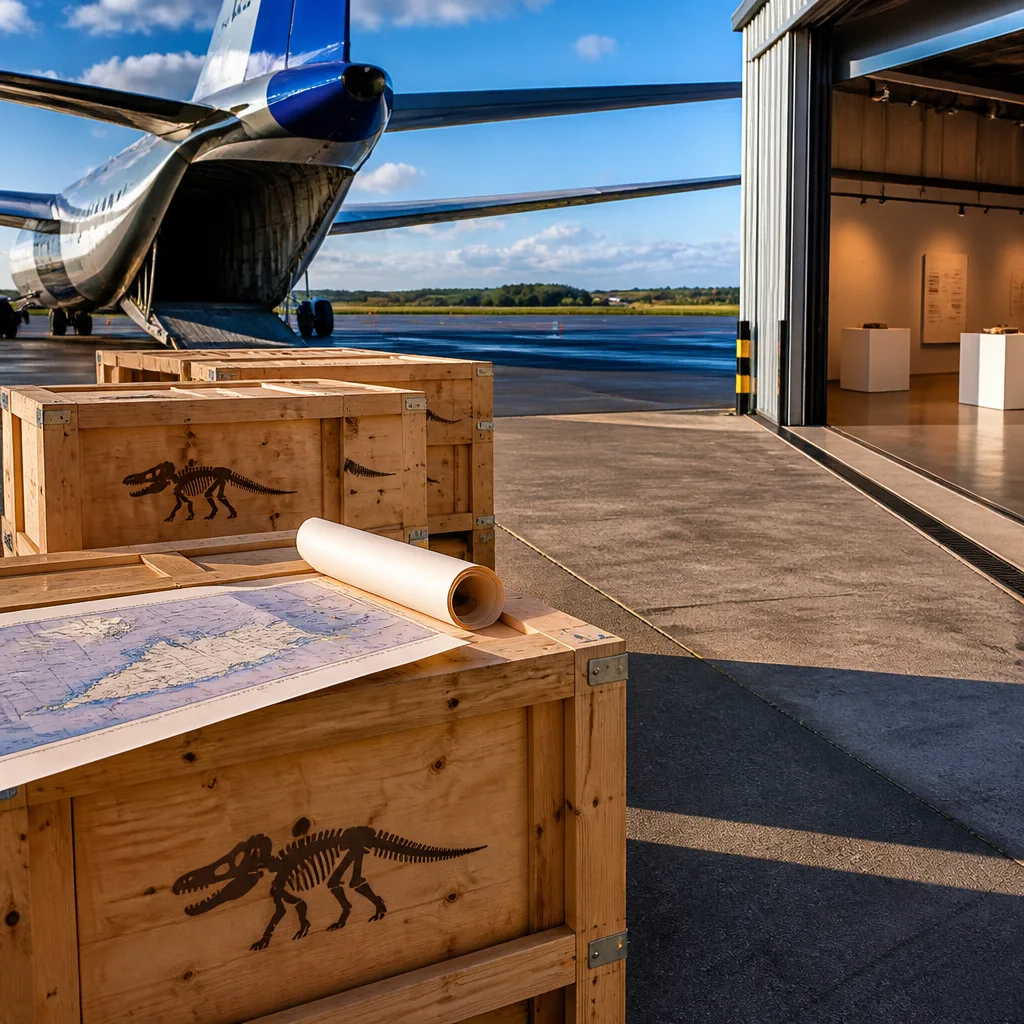
A collection of 318 Jurassic-era fossils compiled from the Lyme Regis and Charmouth area has been sold to a museum in Abu Dhabi after British institutions declined to purchase it, raising questions about who should pay to preserve the nation’s palaeontological heritage.
Sale after UK museums cite lack of funds
The assemblage, amassed over many years by a Dorset-based private collector, includes ichthyosaurs, fish and crustaceans and may contain specimens representing previously undescribed species. The collection was offered to the Natural History Museum in London and to Amgueddfa Cymru (Museum Wales), but neither institution completed a purchase. Correspondence seen by the Guardian suggested the Natural History Museum had "no money at all" for acquisitions.
“Whose responsibility is it to fund our heritage and the preservation of our heritage? Because otherwise it could get lost,”
A museum curator familiar with the situation said the sale to an overseas institution had been feared, but added that practical barriers had complicated acquisition: limitations on storage space, curatorial time and the materials needed to package and conserve the specimens. The curator also observed that private collectors, as they age, are increasingly seeking stable long-term homes for their life’s work.
What was in the collection and where it came from
According to the reporting, the fossils derive from the Lower Lias sequence of rocks that outcrops along the Jurassic Coast — notably Lyme Regis, Charmouth and other south-west localities. The trove was described in correspondence as "stunning" and numbered 318 individual specimens.
| Detail | Information |
|---|---|
| Number of specimens | 318 |
| Types of fossils | Ichthyosaurs, fish, crustaceans and other Jurassic marine life |
| Primary find localities | Lyme Regis, Charmouth, south-west England (Lower Lias) |
| Buyer | Museum in Abu Dhabi |
| UK institutions approached | Natural History Museum, London; Amgueddfa Cymru (Museum Wales) |
Debate over public stewardship and market forces
The transfer of this collection to an overseas museum has prompted debate within the British palaeontological community about the interplay between private collecting, market demand and the capacity of public institutions to retain nationally important material. Some countries treat fossils found domestically as state property and place strict controls on export and sale; the UK does not operate under that model, which means private owners can lawfully sell material abroad.
Experts not involved in the sale described the assemblage as of national significance. The fact that wealthy overseas museums were able to make offers that UK museums could not match highlights a funding gap for acquisitions of large, scientifically valuable private collections. Museum staff pointed to not only purchase price but also the long-term costs of storage, conservation and curatorial oversight as barriers to acquisition.
- Funding shortfalls at public institutions contributed to the decision not to purchase.
- Practical constraints — storage, packaging and staff time — further reduce ability to accept large private collections.
- Market demand from overseas museums can draw nationally important specimens out of the UK.
The sale is likely to rekindle calls for clearer policy and funding mechanisms to secure scientifically significant finds for public collections. Those advocating for stronger measures argue that national heritage may be lost if private collections continue to leave the country when museums lack the resources to intervene.
For the public and the research community alike, the loss of access to substantial, well-documented fossil assemblages can impede comparative study and reduce opportunities for new species to be described and displayed in Britain. The episode underlines tensions between private ownership, conservation needs and the public interest in preserving palaeontological material.
As collectors age and seek permanent homes for their archives, similar situations are expected to recur unless funding and policy responses evolve to bridge the gap between private collections and the public institutions that safeguard national scientific heritage.