Prime Minister Andy Burnham used a high-profile gathering at Number 10 to press for a change in how the UK approaches business, saying government must back entrepreneurs who take risks and give local leaders the tools to attract investment and create jobs.
Pitching government as a partner for growth
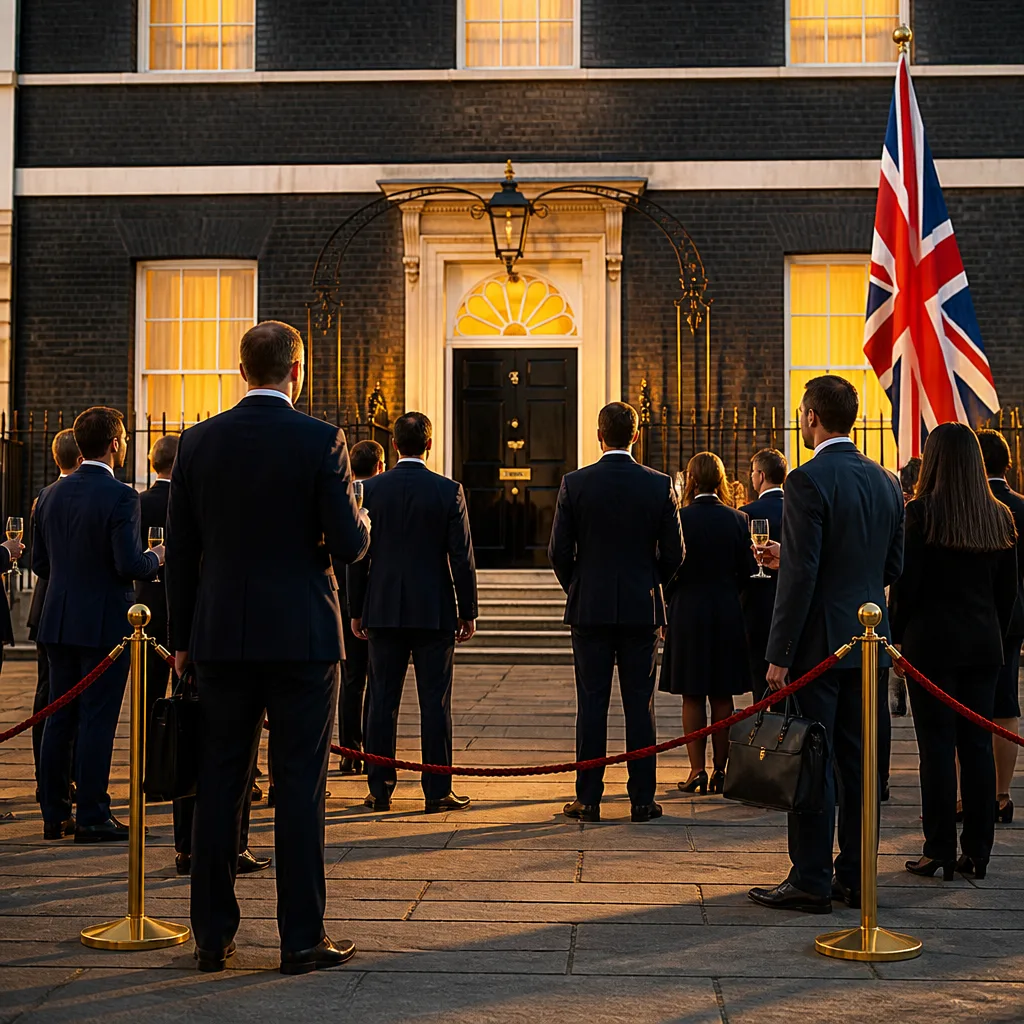
Mr Burnham told a reception for the business community, attended by regional mayors and the chief executives of some of Britain’s largest firms, that Whitehall should act as an enabler rather than an obstacle to commercial ambition. He said he wanted people to have "the confidence that if they have a great idea, they'll get all the support they need to bring it to life".
"When local leaders have the tools to get things done and government works in partnership with business, you can pull in investment, create jobs and transform communities," Mr Burnham said.
The Prime Minister framed the initiative as part of a wider push to make the administration "a partner for growth to make every part of Britain better off". The meetings form a visible attempt to court confidence from the private sector as Chancellor John Healey prepares for his first Budget on 28 October.
Who was in the room
Downing Street confirmed the evening's delegation included major corporate names. The presence of these firms signals the government’s desire to reassure large investors:
- BP
- Shell
- HSBC
- Morrisons
- Sainsbury's
- BT
- Vodafone
- Rolls-Royce
| Event | Format |
|---|---|
| Business reception | Number 10 – regional mayors & CEOs |
| Private engagement | Senior chief executives |
Economic backdrop and risks
The outreach comes against a challenging macroeconomic backdrop. Official figures showed an unexpected uplift in economic activity in July, partly attributed to investment in artificial intelligence, but forecasters expect growth to slow in subsequent months. Energy price pressures — amplified by the war in the Middle East and its knock-on effect on oil markets — have raised costs for households and businesses and stoked concerns that inflation will remain elevated.
Higher inflation increases the risk that central banks will tighten policy further, and rising global interest rates have pushed borrowing costs up for governments and corporations alike. The competing demands on capital include technology firms stepping up spending on AI development, which has helped to push up yields and made debt more expensive for public-sector borrowing.
Policy tensions and the business case
Mr Burnham's plea for a cultural reset arrives with the government still facing criticism from parts of the business community over recent cost increases introduced under the previous administration — notably changes to employer national insurance and the minimum wage. By emphasising devolved powers and local partnerships, the Prime Minister is attempting to shift attention to the levers his administration believes will unlock regional investment and employment.
For businesses, the central question will be whether this overture translates into material policy changes that reduce regulatory or tax burdens, streamline planning and enable public-private collaboration at scale. For the government, the challenge is to show how it can mobilise investment without widening the budget deficit amid constrained fiscal headroom caused by higher borrowing costs.
The Downing Street events — a public reception followed by a private roundtable with senior executives — are intended to signal a reset in relations between Whitehall and big business. Whether the rhetoric on supporting risk-takers and empowering local leaders leads to concrete measures will be closely watched by markets and by firms deciding where to deploy capital in the months ahead.