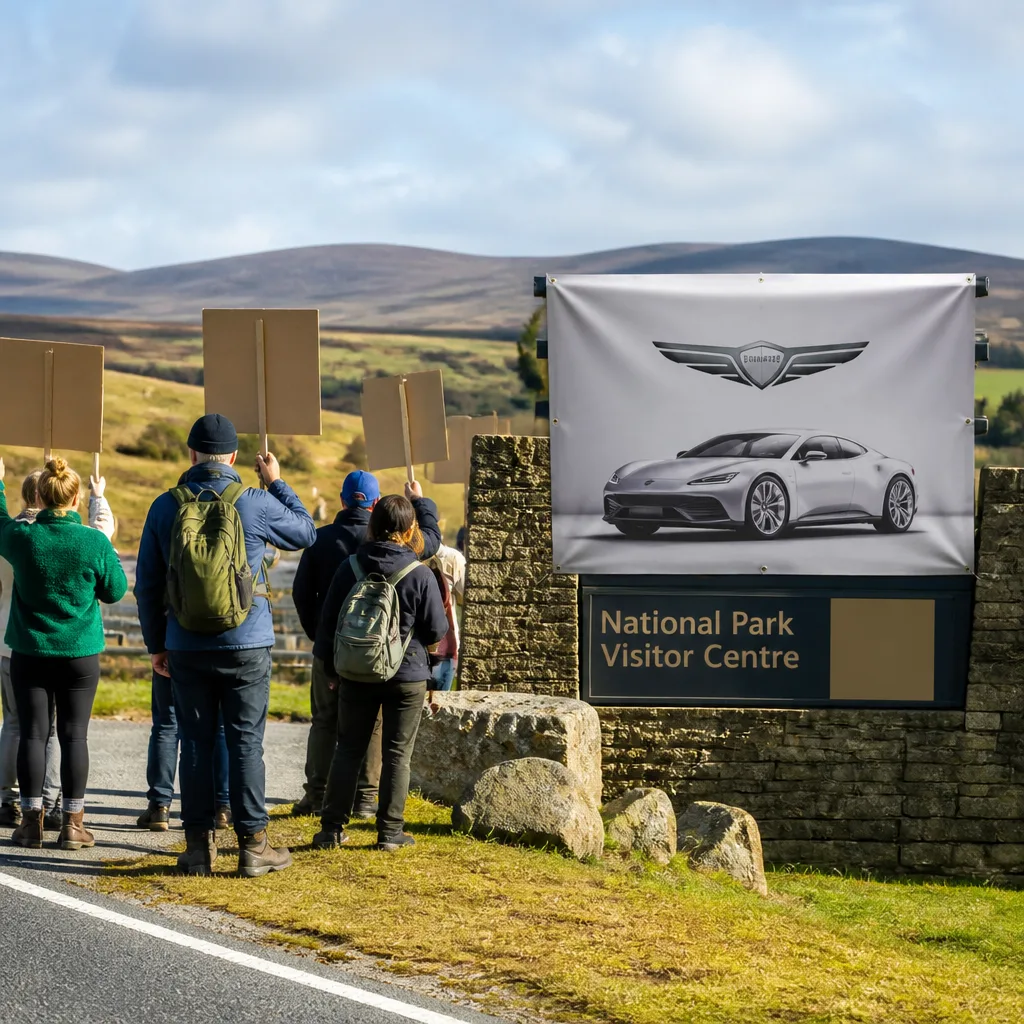
A deal between the Peak District National Park authority and car manufacturer Skoda UK to install temporary signs promoting a new electric model has drawn sharp criticism even as it bolstered the park’s finances.
Money for conservation — and controversy
Park officials defended the arrangement as a welcome source of income to support conservation and heritage projects, saying the partnership brought much-needed funds at a time of pressure on public budgets. Campaigners and some local residents, however, say the move risks turning protected landscapes into advertising space and raises questions about the limits of commercial sponsorship for national parks.
One campaigner warned that if national parks sell their names to the highest bidder it could set a dangerous precedent, signalling a shift towards commercial exploitation of sites meant to be safeguarded for nature and the public. Park representatives countered that the initiative aligned with their objectives and provided funds that would otherwise be difficult to secure.
"If national parks are prepared to sell their very name to the highest bidder, then we're already on the path to industrial extraction of the most protected landscapes."
Funding context
The controversy arrives against a backdrop of long-term financial strain on park authorities. The Peak District received £6m in central government funding for the 2025-26 year, according to published figures. Campaign groups say that, after a series of cuts, national park authorities are operating with significantly less purchasing power than in the past — a point that park bosses say is driving creative approaches to funding.
| Funding item | Amount |
|---|---|
| Peak District core funding (2025-26) | £6m |
| Government national parks investment (next 3 years) | £37m |
| Additional funding for habitats and species | £30m |
Campaigners point to analysis from the Campaign for National Parks indicating that central government grant funding was lower in the referenced financial year and that, overall, authorities have seen a decline in real-terms funding since 2010 — even as visitor numbers have climbed.
Arguments from both sides
Supporters of the Skoda tie-up argue the partnership promotes responsible enjoyment of the countryside and can encourage sustainable travel choices, while delivering funds for projects that protect the landscape. Skoda said the collaboration aimed to "spark positive conversations" and to encourage more people to visit the Peak District responsibly.
Opponents counter that commercial branding of national parks risks blurring the line between public guardianship and corporate marketing. They say authorities should prioritise long-term, secure funding that does not require compromising the parks’ identity or mission.
- Park authority: Defends the deal as aligning with values and delivering funds for conservation.
- Campaign groups: Warn of precedent-setting commercialisation and demand better funded public provision.
- Government: Points to recent multi-year investments in national parks and specialist habitats.
What comes next
The partnership is likely to sharpen debate about how national parks should be funded and governed as public spending constraints persist. If other authorities follow suit, the balance between generating revenue and preserving the integrity of protected areas will be subject to closer public scrutiny and potential challenge from conservation groups and local communities.
For now, the Peak District authority says the income will support specific conservation and heritage work. Campaigners say that until sustainable, long-term funding arrangements are secured, such commercial deals will continue to be controversial.