The EU‑backed SoilTribes project has moved from concept to concrete action with the inauguration of a Living Soil Museum in Ukraine and a programme of artistic and policy resources intended to reshape how people value the ground beneath their feet.
Practical science meets culture
SoilTribes, launched in 2025 and supported by European funding, brings together 25 partners from 11 countries to improve public understanding of soils and to explore ways of restoring their ecological and social value through science, technology and creative practice. The initiative aims to broaden soil literacy while developing practical tools for policymakers and educators.
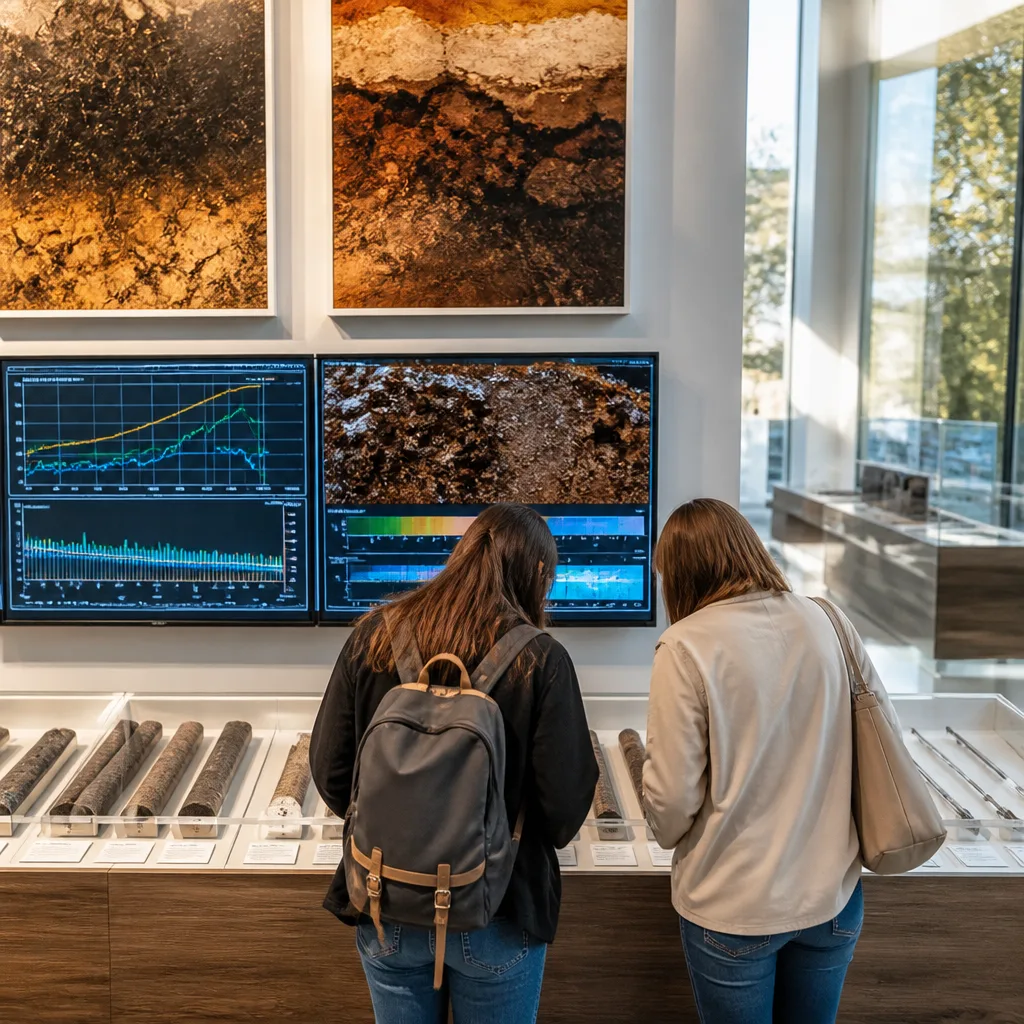
In June 2026 the project opened its first Living Soil Museum at the Poltava State Agrarian University in Ukraine. The site functions as a hybrid research‑education centre under the project’s “Soil Ark: Shaping Soil Futures Together” strand and presents real‑time monitoring of soil indicators alongside exhibits and learning spaces.
What the museum does
- Monitors soil parameters such as pH, temperature and moisture in real time;
- Provides a living collection where the soil ecosystem and microbial roles can be studied and demonstrated;
- Serves as an educational hub for farmers, students and the general public to understand soil health and its links to wider sustainability goals.
The museum is described by partners as a tangible focal point for the project’s ambition to create a culture of knowledge about soils and to reconnect people with the ecosystems beneath them.
Art, policy and outreach
Alongside the museum, SoilTribes has developed a dedicated digital space that outlines soil policy pathways and provides resources for decision‑makers. The project also uses artistic commissions to broaden its reach: an international travelling exhibition, organised by the Global Network of Water Museums, aims to examine the intimate relationships between soil, water and life.
The exhibition, titled Soil Art Tales. Living Ecosystems for Shared Futures, brings together four internationally recognised artists and will be shown at institutions across Europe. Participating countries listed by project partners include Bulgaria, France, Italy, Poland, Portugal and Slovenia.
“Through empathy, artistic perspectives, and transcoding, these works bring us together in a collective vision for the fundamental”
The curatorial rationale seeks to translate technical and ecological knowledge into forms that invite public reflection and collective imagination, reinforcing the idea that soil conservation is as much a cultural challenge as a scientific one.
Project partners say the combination of scientific monitoring, public exhibitions and policy tools is designed to foster long‑term engagement. By presenting soils as dynamic living systems rather than inert backgrounds to agriculture and development, SoilTribes aims to influence both everyday behaviour and institutional decisions.
Implications and next steps
SoilTribes represents a cross‑disciplinary approach to environmental stewardship, linking laboratory research to museums, digital policy guidance and contemporary art. If the model proves effective, it could offer a template for other regions seeking to raise awareness of soil health while informing policy interventions.
| Programme detail | Figure |
|---|---|
| Partners | 25 |
| Countries represented | 11 |
| Project launch | 2025 |
| Living Soil Museum opening | June 2026 (Poltava, Ukraine) |
As SoilTribes continues to deploy exhibitions, educational modules and policy materials, observers will watch to see whether the project can convert heightened public awareness into measurable improvements in soil management and restoration across participating countries.