Volodymyr Zelensky told US President Donald Trump at the United Nations General Assembly that he hoped the war with Russia could be concluded “before winter” and that Mr Trump would assist Kyiv in seeking an end to the conflict.
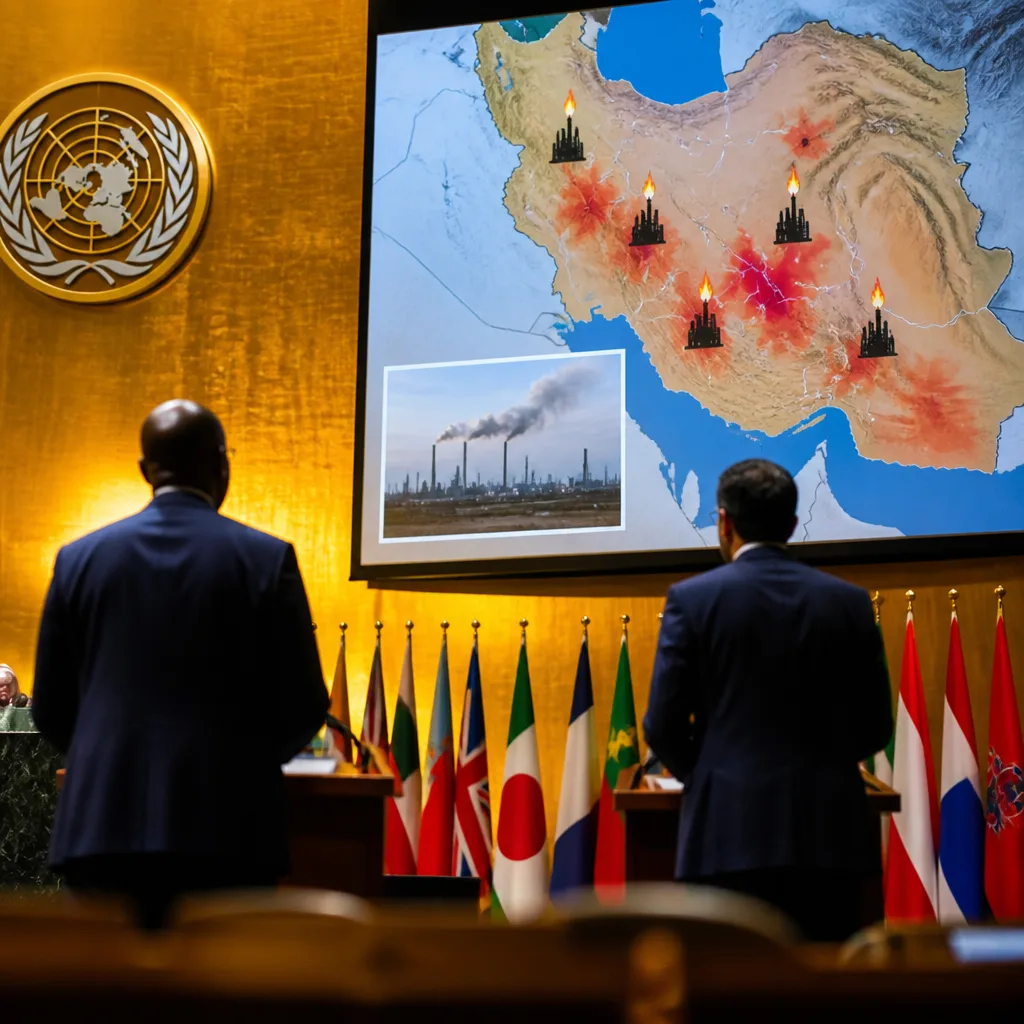
The meeting, reported by the New York Times, came as Ukrainian forces said they had struck two further oil refineries in the previous 24 hours, an activity that has intensified pressure on Russia’s energy sector. At the same time, Russian attacks on Ukraine's energy system caused power cuts across seven oblasts, stoking fears that prolonged damage could leave many without heating as colder weather approaches.
Diplomatic offer and the prospect of talks
Mr Zelensky reiterated his openness to negotiations under arrangements proposed by Mr Trump, including a triangular meeting involving the two presidents and Vladimir Putin. According to the New York Times account of the encounter, Mr Zelensky said:
"I hope we will end this war, and president Trump will help us end this war."
He added:
"I think we need to do this as quick as possible - before winter"—comments that Mr Trump reportedly echoed with approval.
The suggestion of a trilateral meeting follows earlier public references by Mr Trump to efforts to secure an agreement between the parties not to strike each other’s energy infrastructure. Mr Trump has also warned that Russia had “unfortunately lost control” of its oil industry while urging Ukraine to refrain from long-range strikes on refineries, given knock-on effects for global oil markets.
On-the-ground military and civilian impact
Ukrainian strikes on Russian oil facilities are part of a strategy to pressure Moscow by targeting elements of its wartime economy. The most recent claims by Kyiv—two refineries hit in 24 hours—constitute the latest in a series of attacks that have heightened tensions over the targeting of energy infrastructure on both sides.
Russian bombardment meanwhile continues to affect civilian infrastructure inside Ukraine. Authorities reported power outages in seven oblasts after strikes on energy installations. With winter approaching, there are growing concerns that extended damage to the grid could deprive large numbers of people of heating and power.
| Item | Reported figure |
|---|---|
| Oil refineries struck (past 24 hours) | 2 |
| Oblasts with power outages | 7 |
Consequences and context
- The strikes on refineries increase pressure on Russia’s economy and risk further volatility in global oil markets.
- Damage to Ukraine’s energy grid raises humanitarian alarms as colder weather nears, threatening heating and basic services.
- Diplomatic manoeuvres involving the US president could change the shape of negotiations, but any progress will depend on Moscow’s willingness to engage.
Mr Trump has expressed frustration with the conflict’s continuation, having during his 2024 campaign said he expected to resolve the war quickly in a second term. His public comments since then indicate impatience with both Russia’s conduct and Ukraine’s strikes on energy targets, while also signalling a willingness to seek or broker a ceasefire or wider settlement.
For Kyiv, the calculus appears to combine military pressure on Russia’s economic and energy infrastructure with a readiness to pursue diplomatic channels if they can yield a credible pathway to ending the fighting. Whether Moscow would accept or attend a three-way summit involving Mr Trump and Mr Zelensky remains an open and critical question.
The intersection of battlefield actions and high-level diplomacy will be watched closely in London and allied capitals. With winter looming, the humanitarian stakes—especially the availability of heating and power—are sharply elevated, and any diplomatic breakthrough would need to address both security and civilian needs.