Dr Nicola Fox, the scientist who grew up in Hitchin and now serves as head of science at NASA, has welcomed what she described as a “fantastic” rise in the number of women graduating in physics and engineering in the UK.
From an all‑girls school to the US space agency
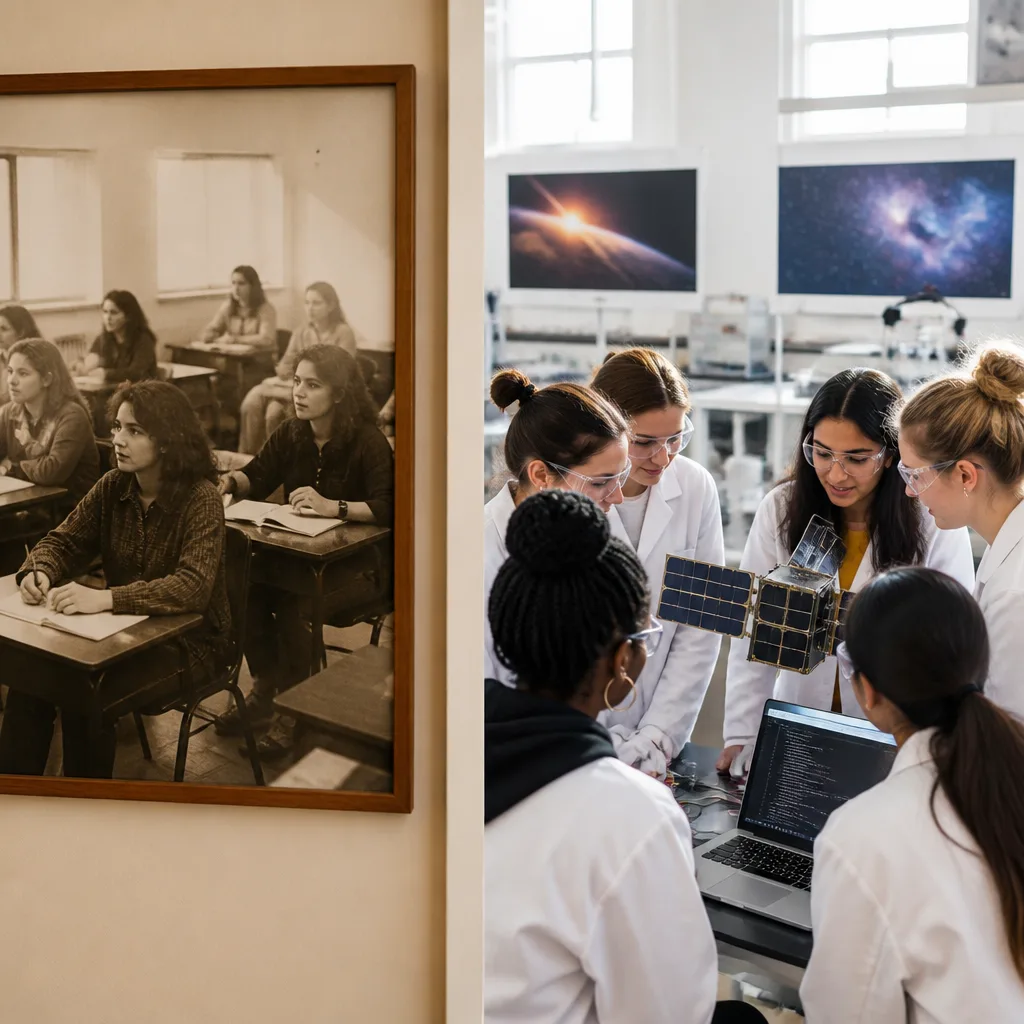
Fox, 57, recounted returning to her alma mater, the University of Surrey, and finding cohorts in physics and engineering that looked very different from the classes she attended in the late 1980s and early 1990s. She graduated in 1991 with a master’s in telematics and satellite engineering, at a time when she was one of just four women on a course of more than 200 students. Today, she said, the gender balance among new graduates is strikingly improved.
| Detail | Then | Now (Fox's observation) |
|---|---|---|
| Year of graduation | 1991 | — |
| Women on her course | 4 out of >200 | Substantially higher numbers at recent graduations |
| Age | 57 | — |
Her childhood in Hertfordshire and her schooling at St Francis College in Letchworth, an all‑girls establishment, were formative. Fox said the single‑sex environment shielded her from common gender stereotypes that can deter girls from pursuing science, technology, engineering and mathematics (STEM) subjects.
"I never experienced the 'girls don't do this' or 'boys do this' because we were just girls and they taught all of the subjects."
Progress in education, slower change in the workforce
While Fox emphasised the encouraging shift in university enrolments and graduation ceremonies, independent analysis from organisations tracking women in STEM suggests a more cautious picture when it comes to employment. Reports indicate that, despite improvements in student numbers and graduation rates, the proportion of women actually working in STEM roles has increased only gradually and full parity with men may still lie some years ahead.
- Education: notable increase in women graduating physics and engineering degrees.
- Workforce: slower gains; parity with men in STEM employment not yet achieved.
- Advice: Fox urges young women to follow curiosity and dismiss stereotypes.
Fox has often credited her family with nurturing her interest in space. She recalled being shown the moon landing on television by her father when she was an infant and praised her mother for fostering the determination that has characterised her career. She reflected on moments of doubt during her path into science but emphasised the value of perseverance and encouragement.
Her message to young women contemplating STEM subjects was unambiguous: do not accept that science is somehow not for you. She encouraged students to ignore sceptical voices and to pursue the areas that spark their curiosity, pointing to the visible change in campus graduations as evidence that barriers can shift.
What this means for policy and industry
The contrast between brighter enrolment figures and slower workforce transformation underlines ongoing policy and industry challenges. Educational progress will not automatically produce equal representation in technical careers without addressing recruitment, retention, workplace culture and progression opportunities. Observers argue that targeted interventions — from mentoring schemes to flexible career structures — remain important if the gains in classrooms are to be reflected in laboratories, engineering firms and senior scientific roles.
As one of the UK‑raised leaders at a major US space agency, Fox’s remarks will resonate with educators and policy makers seeking to translate improved access to STEM education into broader professional parity. Her experience illustrates both how far the UK has come in opening science degrees to women and how much work remains to ensure those qualifications lead to sustained representation in the workforce.