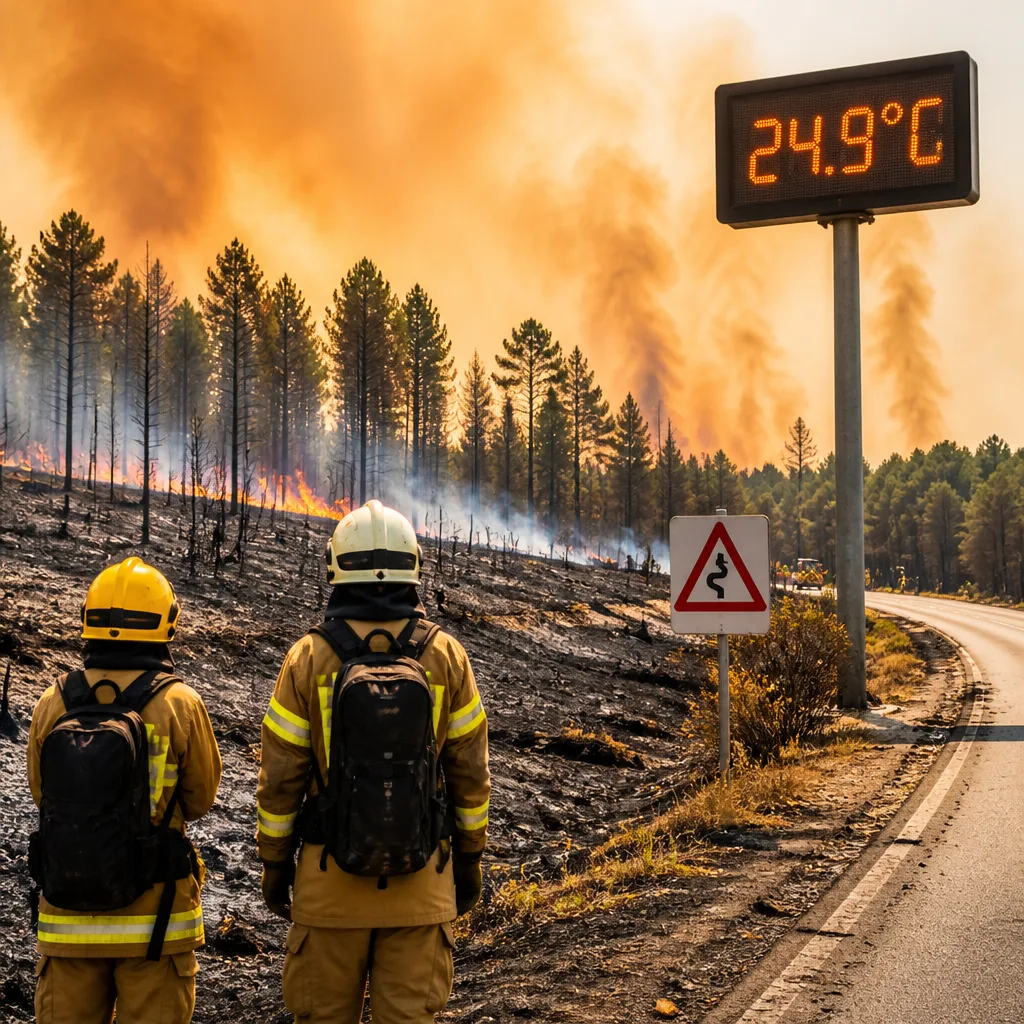
Météo‑France has declared July 2026 the warmest month in its records, with a national average temperature of 24.9°C, surpassing previous peaks and coinciding with unusually low rainfall and persistent heat. The statistics underline how prolonged high temperatures and dryness have combined to create severe fire danger across large parts of France.
Heat and drought by the numbers
The national weather agency said the July mean temperature of 24.9°C edged past former highs of 24.8°C recorded in August 2003 and 24.4°C in July 2006. Rainfall was also markedly reduced, with July classed as the country’s third‑driest July on record, around 70% below average.
| Measure | Value |
|---|---|
| Average temperature (July 2026) | 24.9°C |
| Previous record (Aug 2003) | 24.8°C |
| Rainfall anomaly (July 2026) | ~70% below average |
| Months drier than July 2026 | July 2020, July 2022 (85% below average) |
Météo‑France highlighted an extended spell of high temperatures from 4 to 19 July. The agency described that run of heat as the country’s second‑longest modern heatwave in terms of duration, lasting 16 days, behind July 1982 (23 days) and July 2006 (21 days).
Wildfire consequences and national response
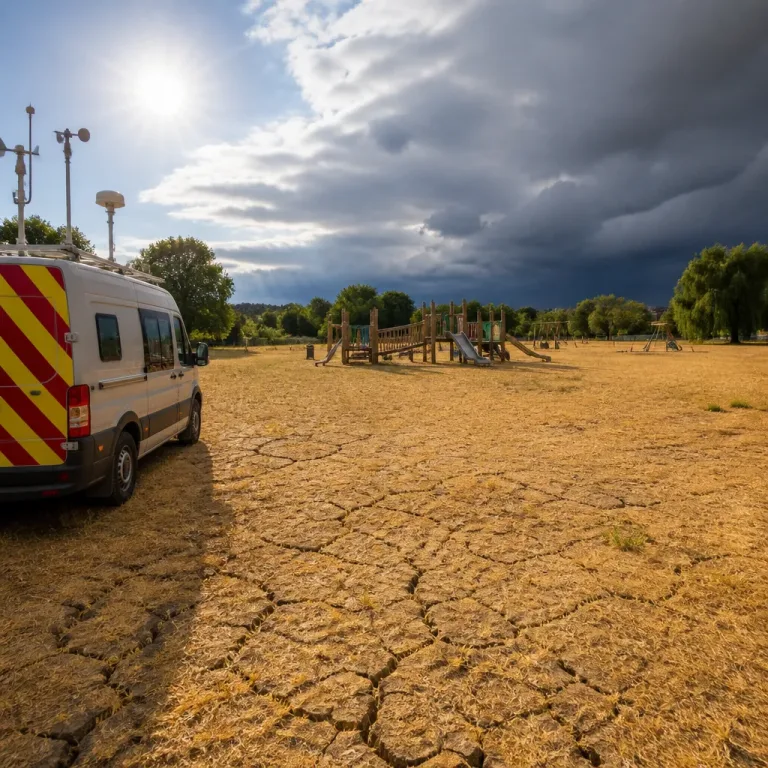
The low rainfall and successive heatwaves have left vegetation parched and more likely to ignite and sustain fires. Météo‑France warned that drought conditions “increase the susceptibility of vegetation to fire” and make blazes easier to start and to spread.
"Drought increases the susceptibility of vegetation to fire. Plants dry out. This makes it easier not only for fires to start but also for them to develop and spread."
The Interior Ministry reported that authorities had arrested 402 people in connection with wildfires that have affected roughly 120,000 hectares since the start of the summer. Of those detained, 156 were minors. Officials also recorded about 14,540 individual blazes or outbreaks of fire.
More than one large incident has defined this season. A fire which began on 22 July near Saumos in south‑west France spread north of the Arcachon Basin, while a second outbreak on 23 July near Biscarrosse — about 60km away — contributed to a combined affected area of approximately 42,000 hectares by 27 July.
"We are, of course, remaining extremely vigilant as weather conditions remain conducive to fires breaking out," said Interior Minister Laurent Nuñez, while noting the overall situation was improving.
Short‑term outlook and practical implications
Météo‑France has signalled that temperatures are expected to remain warmer than normal over the coming three months. The agency issued an orange heatwave alert for 13 departments at one point, and was monitoring ongoing fires: in the Drôme, a blaze that started on a Monday had burned over 280 hectares by the time of the update.
For members of the public and land managers, the combination of high temperatures and low moisture means heightened vigilance is prudent. Practical measures already recommended by emergency and environmental authorities include:
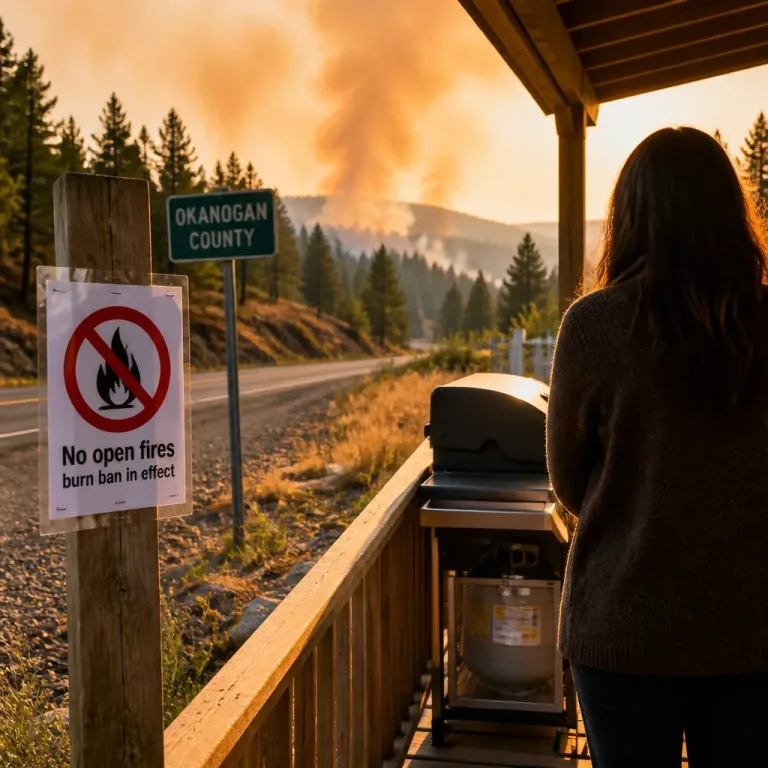
- Avoiding the use of open fires or barbecues in or near dry vegetation;
- Reporting any signs of smoke promptly to local emergency services;
- Following local restrictions on outdoor activities and on access to high‑risk areas;
- Taking care with agricultural or recreational machinery that can produce sparks.
The pattern shown this summer — long heat episodes combined with markedly reduced rainfall — illustrates why meteorologists and emergency planners consider both temperature and soil and vegetation moisture when assessing fire risk. With Météo‑France forecasting continued warmth, communities and responders will need to maintain preparedness through the coming weeks.
Nationally significant weather such as this has immediate consequences for public safety and land management, and also feeds into longer‑term conversations about climate variability and adaptation. For now, the priority remains limiting ignition sources and supporting firefighting efforts where blazes are active.