Shrewsbury Town Council has begun altering how it manages the town's parks and green spaces in response to increasingly unpredictable weather, saying recent conditions have forced teams to rethink mowing schedules, hedge work and planting programmes.
Operational changes prompted by shifting seasons
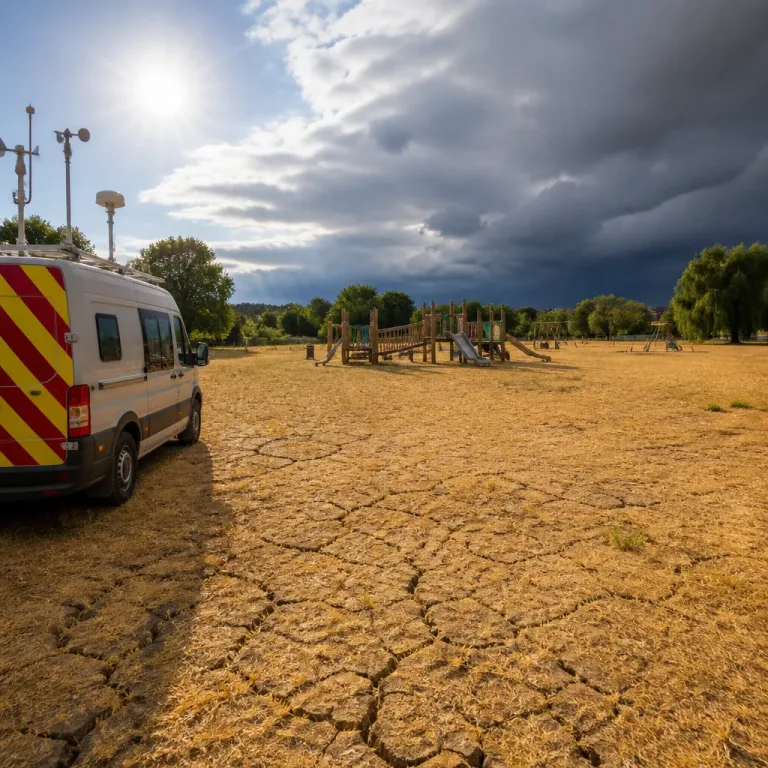
The council's recreation and green space team reported an unusual pattern this year: an extended dry spell in the summer followed by warm, wet conditions that produced an unexpectedly rapid burst of grass growth. As a result, routine maintenance timetables were adjusted.
Danny Powell, operations manager of the recreation and green space team, said:
"The weather has given us very different conditions to manage this year."
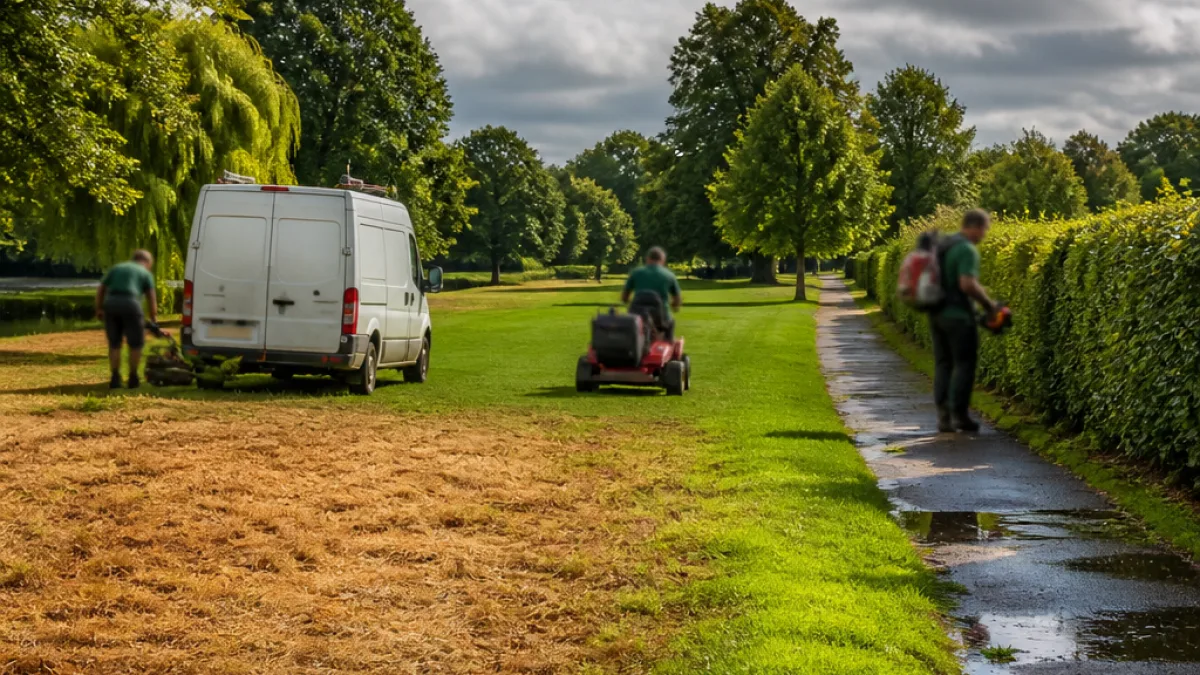
During the prolonged dry spell, grass cutting was scaled back to conserve resources and protect stressed turf. Conversely, work that normally takes place later in the year – such as path tidying and hedge cutting – was brought forward to make use of a quieter mowing period and to keep the town's green spaces in good order.
Preparing for more variable conditions
The council said it will now consider longer-term adjustments to how it approaches planting schemes, grass management and broader maintenance programmes so that parks remain resilient amid more variable weather patterns.
Officials linked their operational changes to a wider picture of climatic extremes. July 2026 was the driest on record for England and Wales, and the Met Office has warned it is "very likely" that 2027 will be the hottest year on record globally.
- Grass cutting was reduced during the prolonged dry spell.
- Path tidying and hedge cutting were carried out earlier than usual.
- The council will review planting schemes and maintenance timetables to improve resilience.
The council highlighted one of the town's managed areas, the Quarry, as among the parks it maintains and which have been affected by the changing conditions.
Regional research and broader responses
Shropshire-based researchers are also adapting to changing conditions. Harper Adams University has begun working with the University of Warwick Crop Centre on projects to develop crops better able to withstand weather stress. While that research targets agricultural resilience, the council's moves reflect parallel efforts across sectors to prepare for climate volatility.
| Issue Experienced | Council Response |
|---|---|
| Extended dry spell (July 2026 one of driest on record) | Scaled back grass cutting to conserve grass and resources |
| Subsequent warm, wet conditions | Brought forward path tidying and hedge cutting to use quieter mowing period |
| Overall increased variability of seasons | Review of planting schemes, grass management and maintenance programmes |
The council emphasised the need for flexibility in its operations. As Powell noted, teams were able to "make good use of the quieter period for mowing, getting ahead with other maintenance work." That approach reflects a tactical, short-term response to a year of contrasting conditions.
For Shrewsbury residents, the changes mean the timing and frequency of visible maintenance activity in local parks may shift from traditional seasonal patterns. It also signals the council's intent to adapt policy and practice rather than simply maintain historic timetables.
Local green-space management is increasingly being viewed in the context of a changing climate. The council's statement indicates it will look closely at how to balance aesthetic, recreational and ecological aims while ensuring services are delivered efficiently under less predictable weather.
Residents who use the town's parks and open spaces are likely to see continued adjustments to maintenance schedules as the council tests new approaches and learns from the evolving conditions that marked 2026.
As communities and institutions across the region respond to the effects of climate variability, Shrewsbury's incremental operational changes offer a local example of how councils are preparing for an altered seasonal rhythm.