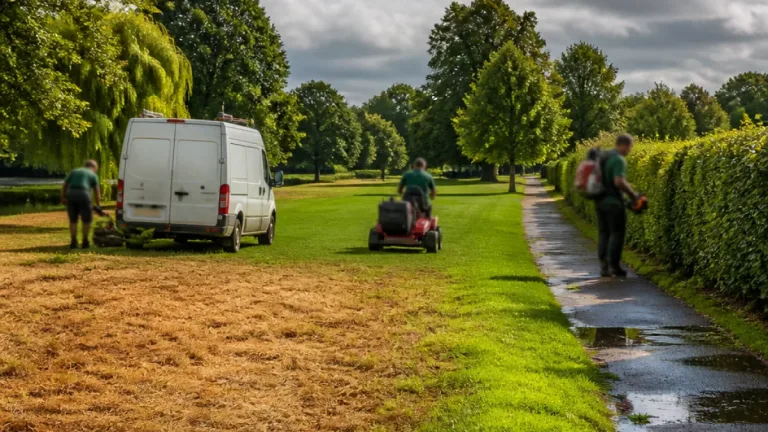
Non-league football clubs in parts of England are being forced to adapt to prolonged dry conditions that have left traditionally maintained grass pitches dangerously hard and in need of near-daily watering. At one historic ground in Lincolnshire, grounds staff say long-established maintenance practices are being pushed to their limits as rainfall this summer has been almost negligible.
Everyday watering becomes a daily necessity
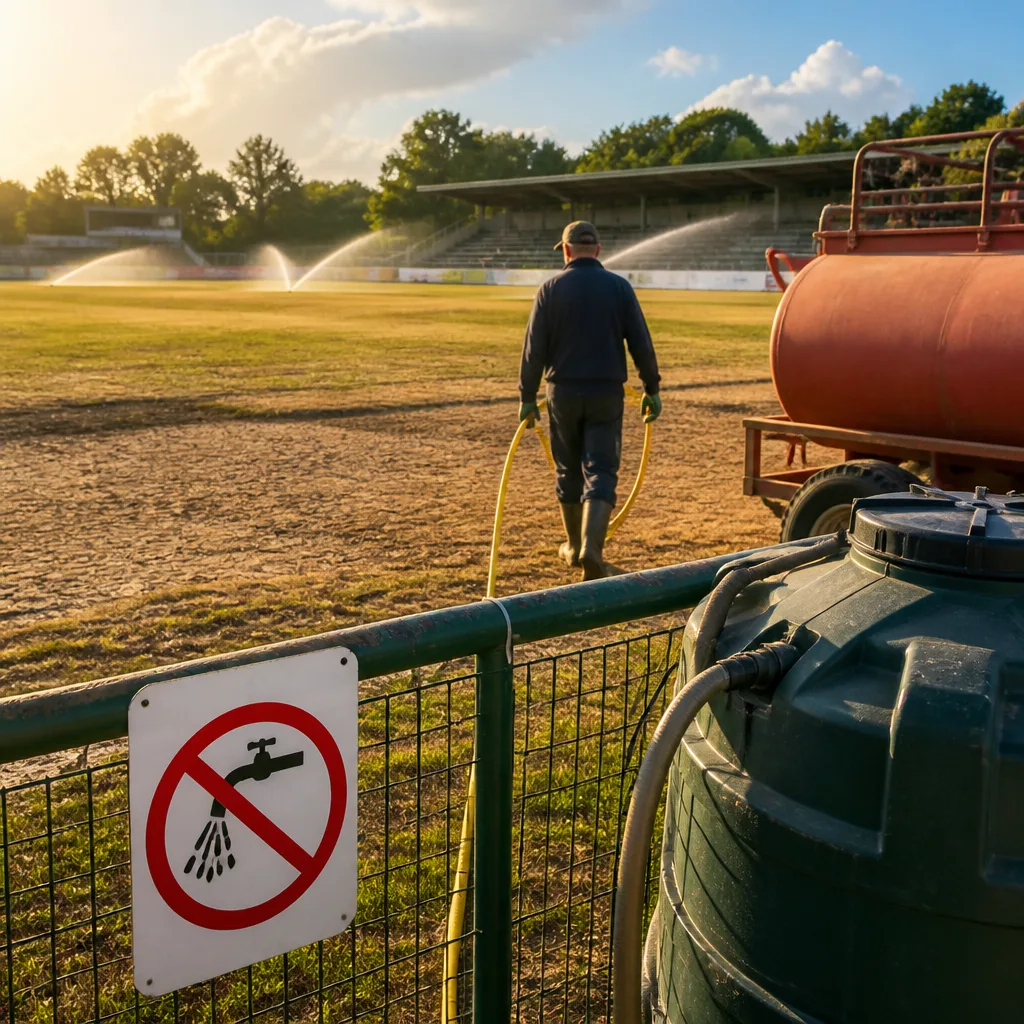
At the Northolme, home to Gainsborough Trinity since 1884, the club's head groundsman reports running multiple sprinklers almost continuously and applying large volumes of water to keep the surface playable. Modern additions to the ground include six in-pitch sprinklers and a further 17 around the perimeter. The grounds team estimates they put about 20,000 litres of water on the pitch on most days during the driest period.
The problem has been compounded by a lack of rain: the Met Office recorded just 0.4mm of rainfall in Lincolnshire in July. While the county is not officially classed as in drought, government notices describe the area as having experienced "prolonged dry weather" and water companies have taken action to conserve supplies.
"If this is going to be the norm, we are going to have to think of smarter ways to store water."
Anglian Water has imposed a hosepipe ban in parts of its region, although exemptions allow sports clubs to water pitches if they are being actively played on and would otherwise become dangerously hard. Nevertheless, limits on household and non-essential use increase pressure on available supplies and raise questions about longer-term resilience for sporting venues that rely on grass surfaces.
Investment and alternatives
Not all clubs are equally affected. Around 60 miles (about 97km) from Gainsborough, Spalding United completed a £1 million redevelopment of their Sir Halley Stewart Playing Field last year, installing an artificial surface. Club officials say that the upgrade has reduced vulnerability to dry spells and underlines why some grassroots organisations are choosing to invest in all-weather facilities.
The contrast highlights a growing divide in the non-league game: clubs with the capital to install artificial turf or advanced irrigation are better insulated from extreme weather, while long-established grounds without such resources increasingly rely on labour-intensive watering and ad-hoc storage solutions.
- Water applied at one Lincolnshire ground: approximately 20,000 litres per day
- Recorded rainfall in July (Lincolnshire): 0.4mm
- Distance between the two clubs quoted: ~60 miles / 97km
- Cost of Spalding United’s upgrade: £1m
| Item | Measure |
|---|---|
| Daily water applied (approx.) | 20,000 litres |
| July rainfall (Met Office) | 0.4mm |
| Distance between grounds | 60 miles / 97km |
| Stadium upgrade cost (Spalding) | £1m |
What this means for clubs and communities
For grassroots clubs, the immediate issue is keeping pitches safe and playable. Hard, dry surfaces increase the risk of injury and can lead to postponed matches or damage to the turf that takes months to repair. Grounds teams — often small squads assisted by volunteers — are having to balance labour, limited water supplies and costs.
Longer term, clubs face choices about investment and sustainability. Artificial pitches reduce dependence on mains water and offer consistent playing conditions, but come with substantial upfront costs and maintenance considerations of their own. For clubs without investment resources, the alternatives include improved water storage, smarter irrigation technology and collaboration with local authorities and water companies to find workable exemptions or support schemes.
As summer weather patterns shift, the experience of these clubs shows how national-scale meteorological changes ripple down to community level. Practical, measured steps now — from better water storage to targeted funding for pitch upgrades — will help protect the grassroots game and maintain safe playing surfaces for players of all ages.
Readers with responsibility for grounds or community sports provision should check the latest guidance from their local water company and the Met Office, and consider contacting their county FA for advice on pitch management during dry spells.