The UK Health Security Agency (UKHSA), working with the Met Office, has issued a yellow heat-health alert covering Essex as temperatures are forecast to climb again in early August. The alert runs from 9am on Sunday 2 August to 9am on Wednesday 5 August and highlights possible impacts on health and care services across the county.
Who is most at risk
The UKHSA warned that the period of high temperatures could have serious consequences for vulnerable people. It highlighted a potential rise in deaths, particularly among those aged 65 and over or people with pre-existing health conditions. The agency also signalled that younger age groups may be affected and that demand on health services is likely to increase.
“Significant impacts are possible across health and social care services due to the high temperatures.”
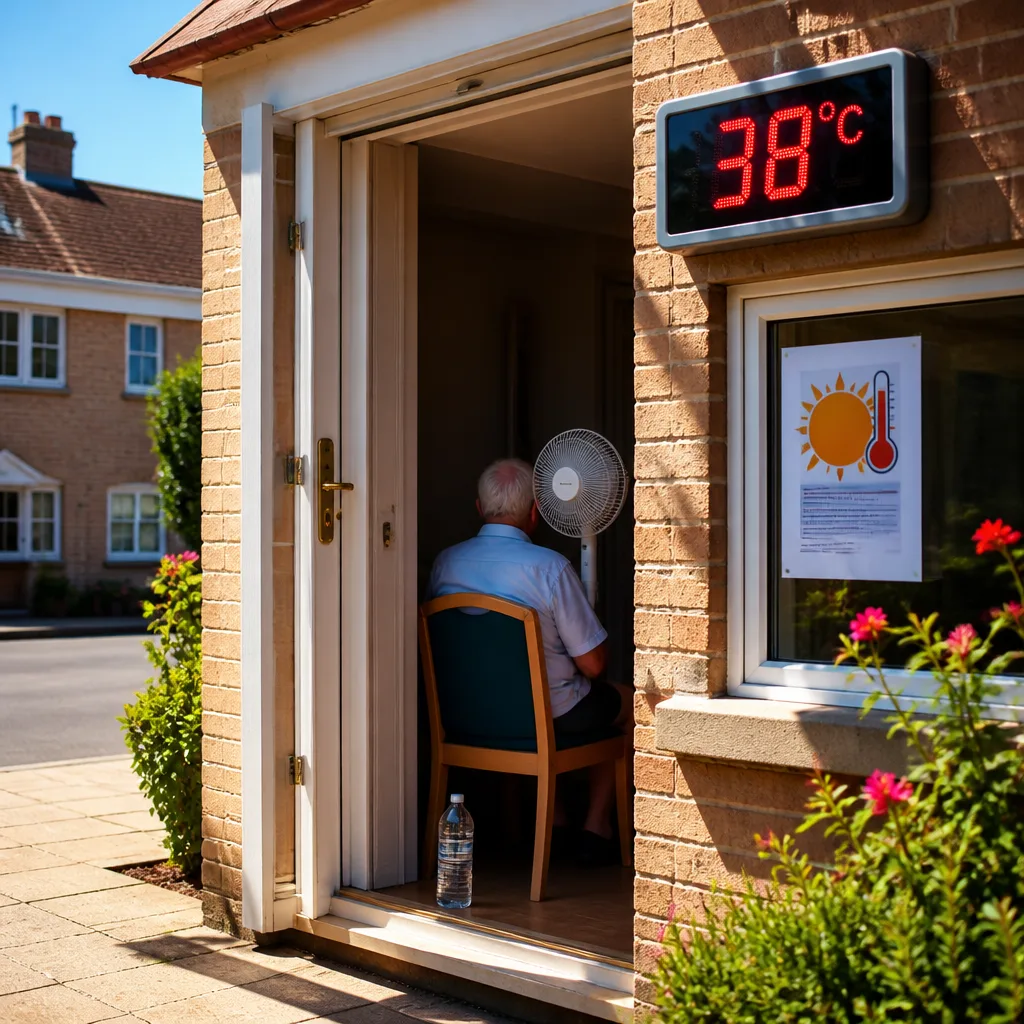
Officials also cautioned that indoor environments may overheat, posing a risk to people living independently in community settings and in care homes, and that incidents involving water could become more common.
Recent weather context and local strain
England has recorded one of its joint warmest Julys for mean temperature, and parts of the county have already seen extremely high readings this month. Temperatures reached 35.2C on a recent Wednesday, the data show, marking the seventh day in 2026 with readings of at least 35C. Forecasters have suggested that conditions will cool towards average over the coming weekend before climbing back towards around 30C on Thursday 4 August.
Met Office forecasters warned that although some rain is expected, much of it may fall in showers and totals will vary widely, leaving some areas with very little precipitation.
“England and Wales will see some rain, although much of it falling as showers meaning rainfall totals will vary considerably, and some places will see little rain despite the unsettled outlook.”
The ongoing dry spell has left large parts of Essex vulnerable to fire. Essex Fire and Rescue Service responded to more than 570 incidents between 24 and 30 July — described as one of its busiest weeks in four years — including a major industrial fire at Highlands Farm in East Hanning.
Practical consequences and pressures
UKHSA and Met Office advice under a yellow alert typically aims to limit harm by urging local services and the public to prepare for disrupted care, reduced workforce capacity and increased demand on emergency services. The specific issues flagged for this episode include:
- Heightened risk of heat-related illness and mortality among older people and those with chronic conditions.
- Increased pressure on health and social care services, including ambulance and hospital demand.
- Potential overheating of indoor spaces affecting people who live alone or in care settings.
- More water-related incidents as people seek relief from heat.
- Raised wildfire and fire-risk owing to prolonged dry weather.
| Item | Detail |
|---|---|
| Alert period | 9am, 2 Aug – 9am, 5 Aug |
| Recent peak temperature | 35.2C |
| Days ≥35C in 2026 (to date) | 7 days |
| Fire service incidents (24–30 July) | 570+ |
Local authorities, care providers and emergency services will need to make contingency plans to protect patients and residents, maintain staffing where possible and reduce avoidable strain on ambulances and hospitals. Public-health messaging during such alerts usually focuses on staying hydrated, avoiding strenuous activity during the hottest parts of the day, and keeping living spaces cool where possible.
While forecasts indicate a temporary easing this weekend, the return to warmer conditions next week reinforces the need for preparedness at a system level and for individuals to take straightforward precautions to reduce heat exposure, particularly for those most at risk.