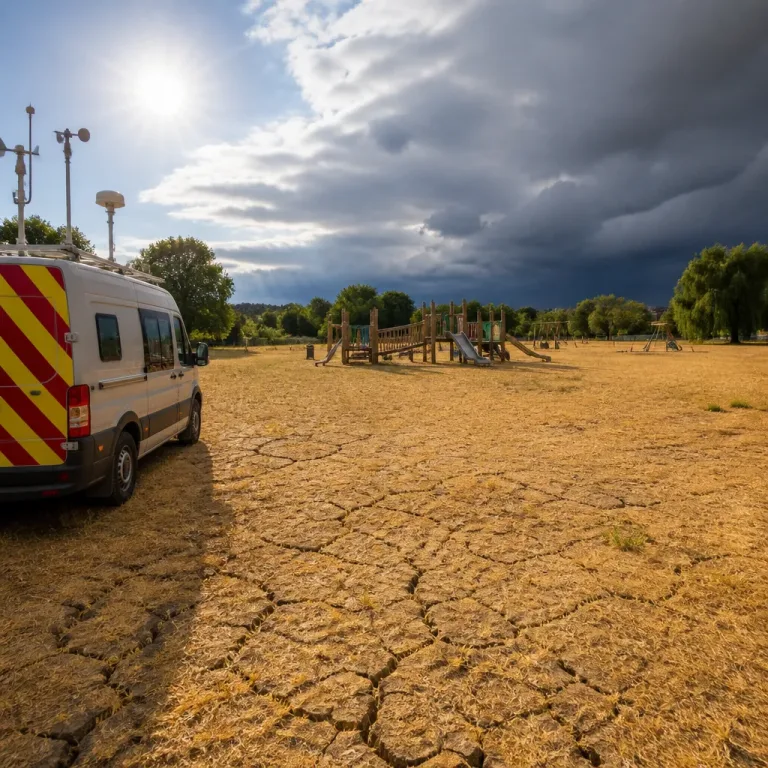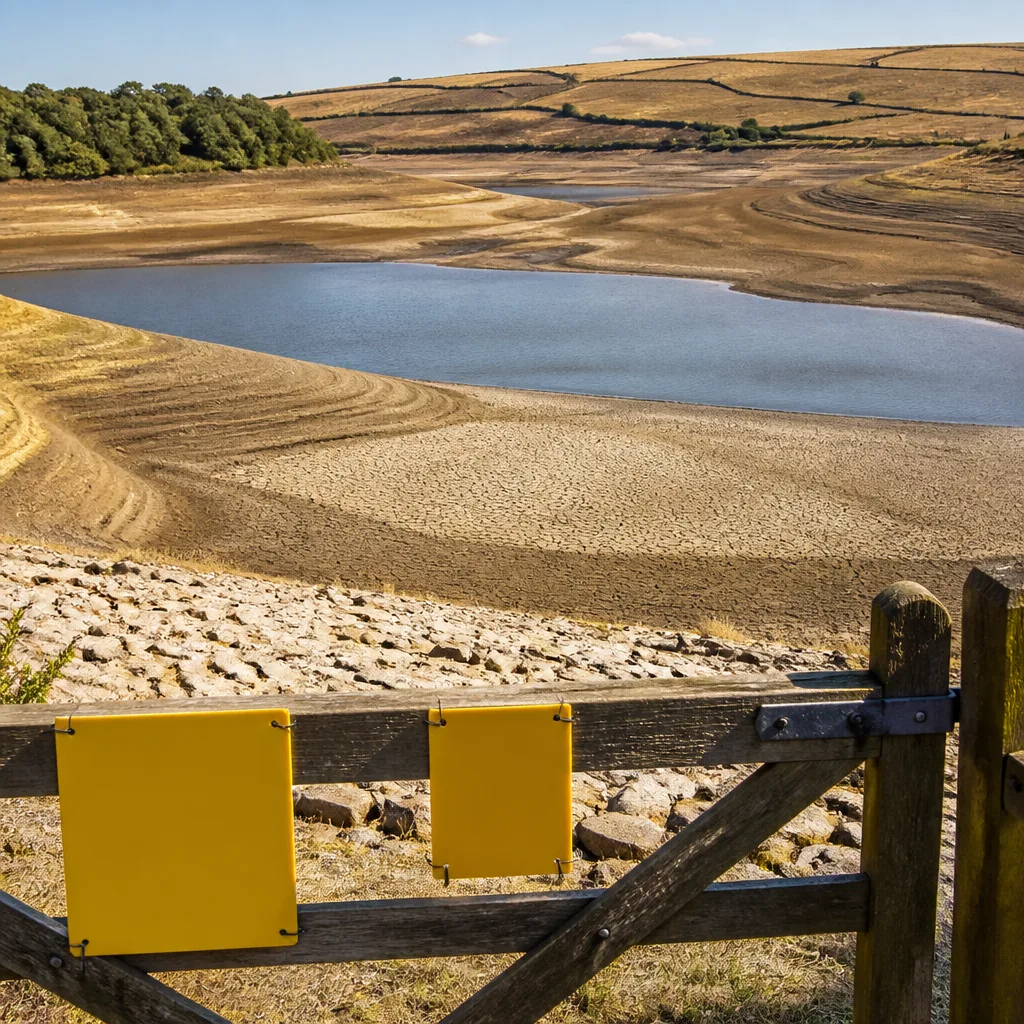
The South East of England is confronting mounting water stress as a lengthy spell of hot, dry weather leaves supplies strained and the landscape parched. Authorities have imposed hosepipe bans across large swathes of Kent, Sussex and Surrey, while the Environment Agency has moved Sussex into a stage of prolonged dry weather, the precursor to a formal drought declaration.
Rainfall shortfall and records under threat
Spring delivered well below normal rainfall for the region: between March and May the area received just 41% of the long-term average. Meteorologists say there is a credible chance that July could be the driest in 190 years of records, intensifying pressure on water stocks already weakened by earlier heatwaves.
| Metric | Value |
|---|---|
| Rainfall March–May | 41% of long-term average |
| Last day with >1mm rain | 27 June |
Public services and the environment under strain
High demand during an earlier May heatwave contributed to supply problems for drinking water, and customers of South East Water have continued to experience outages on a weekly basis. Millions of people are now subject to hosepipe restrictions aimed at reducing non-essential use.
Officials warn the lack of significant rain is not only an inconvenience for households but threatens rivers, wildlife and farming. Dry soils and low river flows reduce habitat quality and limit water available for irrigation. Farmers in the region are already expressing concern about soil moisture and the potential for crop stress.
"Everything relies on water and we must use water wisely. The more water we use, the less there is available for the environment," said Richard O'Callaghan of the Environment Agency.
Fire risk and other hazards rise
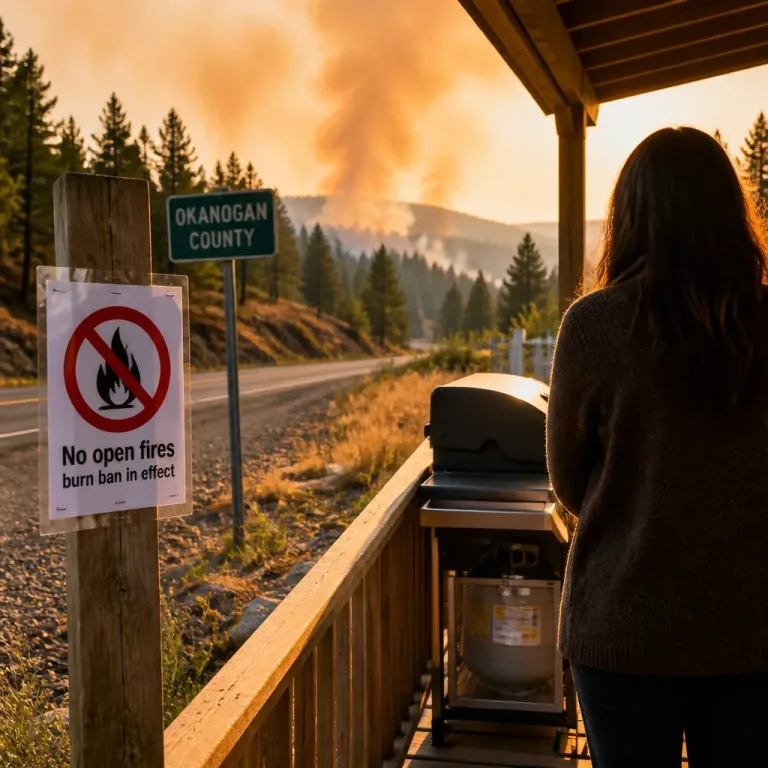
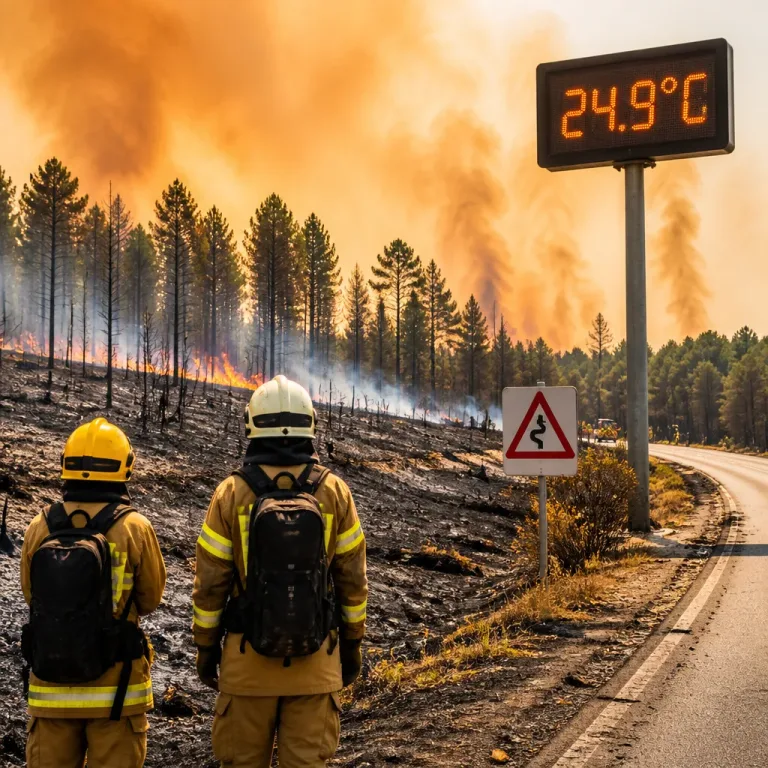
Hot, dry conditions raise the risk of wildfires, particularly where vegetation has become desiccated after weeks without substantial rain. The combination of low soil moisture, dry vegetation and rising temperatures makes the countryside more vulnerable to ignition and rapid fire spread.
Environmental managers and emergency planners are closely monitoring river flows, reservoir levels and weather forecasts. The Environment Agency's escalation of Sussex to a prolonged dry-weather stage allows for closer management of water resources and signals readiness to move to more formal drought measures if conditions deteriorate further.
Practical steps for households and land managers
While long-term rainfall patterns are beyond the control of individuals, there are tangible actions that can reduce pressure on supplies and help protect local habitats and farms. Simple measures include:
- Following current hosepipe bans: avoid using hoses for garden watering, car washing or filling paddling pools.
- Reducing indoor water use: shorter showers, full loads in dishwashers and washing machines, and fixing leaks promptly.
- Supporting wildlife: provide shallow water sources for birds and insects, and avoid removing natural features that retain moisture.
- For land managers: prioritise irrigation where crops or livestock welfare are at risk and consult with the Environment Agency on abstraction rules.
These measures help conserve finite water resources and give reservoirs and rivers a better chance of retaining critical levels until meaningful rainfall returns.
Outlook and implications
With forecasts indicating little significant or widespread rain until at least mid-August for parts of the South East, the coming weeks will be decisive for water stocks and the wellbeing of rural ecosystems. If July does turn out to be exceptionally dry, authorities may need to take further steps — from stricter restrictions to support for farmers and wildlife — to manage the impacts.
For now, residents are being asked to treat water use as a public responsibility. Conserving water today reduces the likelihood of more disruptive measures tomorrow and helps protect the rivers, reservoirs and soils that underpin food production and biodiversity in the region.