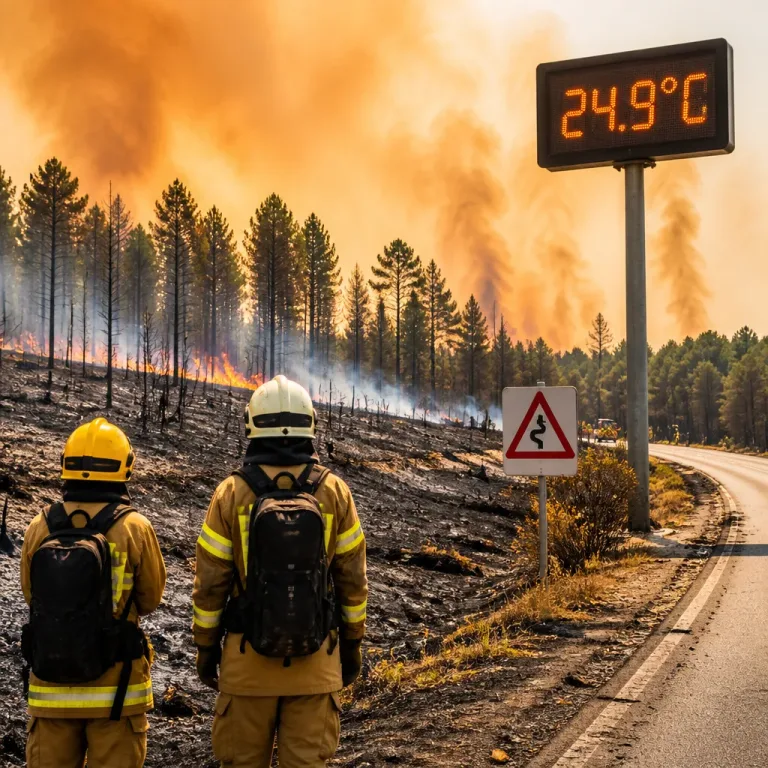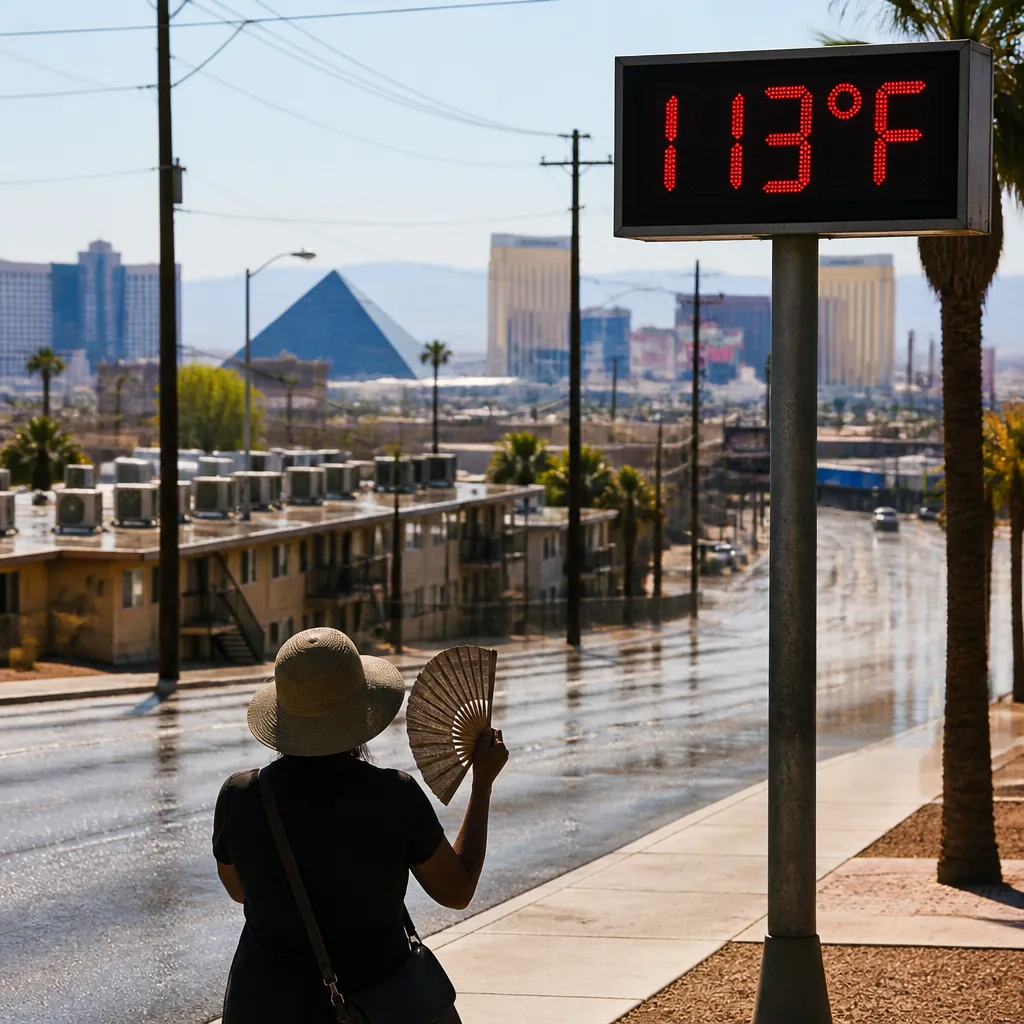
An Extreme Heat Warning is in effect for the Las Vegas Valley through Monday evening as the region endures an extended, oppressive heat episode. Daytime temperatures have climbed into the low 110s Fahrenheit, with forecast highs of 113°F on Saturday and around 112°F on Sunday, and overnight readings offering only marginal relief.
What the numbers mean for people and infrastructure
Forecasters say the combination of extreme daytime heat and little overnight cooling is the primary concern. Night-time lows are expected to linger in the upper 80s to low 90s Fahrenheit, so homes and businesses will likely run air conditioning almost continuously. That sustained demand raises the risk of power strain, while the human health toll can escalate when the body receives no break from high temperatures.
The National Weather Service has classified the situation as one of heightened danger, placing the Mojave Desert under a Major to Extreme heat risk for the period. Numerous daily temperature records are said to be at risk during the coming week.
Short-term forecast and outlook
While a slight easing is expected early in the week, the relief is modest. Forecast highs are projected to fall to 111°F on Tuesday and 110°F on Wednesday, before edging back toward 112°F on Thursday. First Alert Weather Day designations will remain in force through Monday, and are expected to return over the weekend (July 31–August 2), during which temperatures could climb toward 115°F by Saturday, August 2.
| Day | Forecast high (°F) |
|---|---|
| Saturday | 113 |
| Sunday | 112 |
| Monday | Above 110 |
| Tuesday | 111 |
| Wednesday | 110 |
| Thursday | 112 |
| Weekend (Aug 2) | Up to 115 |
Public-health and safety actions
With little overnight respite, public health officials urge practical steps to reduce heat-related harm. The guidance in place includes measures that can prevent heat exhaustion and heatstroke and protect vulnerable people.
- Stay hydrated: Drink water regularly even if you do not feel thirsty.
- Keep cool: Use air conditioning where possible and limit time outdoors during peak heat hours (roughly 10:00–18:00).
- Check on others: Regularly contact elderly or medically vulnerable neighbours and relatives.
- Never leave children or pets unattended in vehicles.
- Plan activity: Schedule strenuous tasks for early morning or evening when temperatures are lower.
Local meteorologists note that monsoonal moisture remains over southern Nevada, but it is not expected to meaningfully reduce the heat for the Las Vegas Valley. Any isolated storms are most likely well to the south and east of the metropolitan area.
Consequences for services and daily life
Continuous high demand for cooling places strain on electrical networks and can increase the likelihood of outages. Residents should be prepared for possible service interruptions and have contingency plans, especially for households with people who rely on electrically powered medical devices.
Tourists and those who work outdoors should be particularly cautious. Employers and event organisers are advised to provide shaded rest areas, frequent breaks, and ready access to fluids.
The extreme heat is the dominant weather story for the region through early August, and officials recommend staying informed via local weather updates and official advisories. For continuous monitoring, local weather services and apps are providing rolling coverage of the warning and forecast changes.
In an event such as this, sensible preparation and attention to vulnerable people can save lives. Follow local guidance, take precautions, and expect the heat to remain a persistent challenge for the coming days.