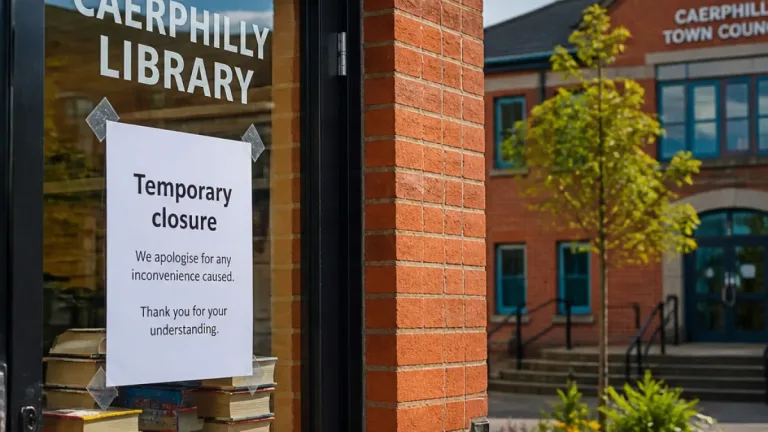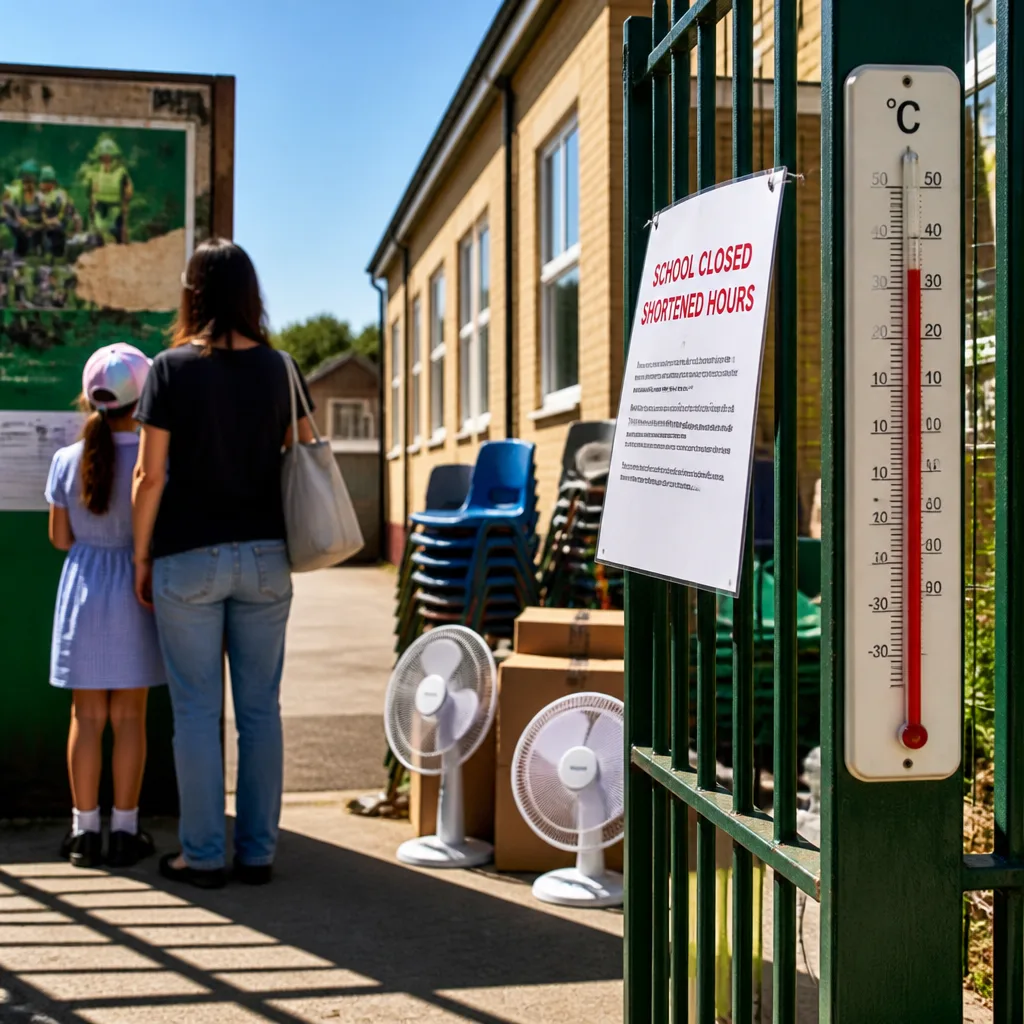
More than 1,000 schools in England either closed or adjusted hours at the end of June because of extreme heat, highlighting what a Labour MP describes as an urgent need to improve how schools prepare children for the climate crisis. The MP argues that current curriculum provision is insufficient and that the Department for Education must provide funding to ensure schools are heatwave resilient.
Heat disruption and widening inequality
In a column reflecting on her experience since entering Parliament in 2015, the MP said the direct impact of recent heatwaves has fallen disproportionately on the most vulnerable families. School closures and shortened days, she wrote, have increased hardship for single parents and those in precarious employment, who may lose multiple days’ income when children cannot attend school or routines are disrupted.
The MP has repeatedly called for immediate measures to protect pupils and staff from extreme temperatures: making funding available so schools can purchase fans and cooling units, and investing in improved ventilation and cooling systems in school buildings to prevent education becoming "the first victim of climate change."
Curriculum gaps and the case for climate education
The MP cited the Curriculum and Assessment Review, which she said found there is currently "minimal inclusion of climate education" within the national curriculum. She argues this must change so young people understand the causes and consequences of climate change and are equipped to consider potential solutions.
Her prescription includes embedding climate education across a range of subjects: science, geography and design and technology. That cross-curricular approach, she suggests, would give pupils a grounded understanding of the science while opening opportunities to learn about mitigation, adaptation and careers in the green economy.
Green jobs and careers support
The MP also highlighted initiatives promoting green skills, noting that half of British young people report receiving no education about green jobs. She pointed to a recent green careers fair run by an organisation based in her constituency, London Clean Air, which offered free workshops, talks and CV advice supported by Camden Council.
- Event aimed at informing young people and adults about work in the green sector
- Local authority and NGO collaboration used as an example of good practice
- MP called for more government and council support to scale such activity nationally
At the same time, the MP described work she does locally to expose students to public life and careers: an annual work experience bootcamp that brings pupils to Parliament and City Hall to meet elected representatives and present ideas on issues such as air pollution.
Policy implications and the ask of ministers
The combination of extreme weather causing school disruption and a curriculum that gives limited space to climate issues poses a policy challenge. The MP has urged ministers to act on two fronts: immediate, practical investment to protect school estates from heat, and longer-term curriculum reform to ensure climate and green skills are embedded in young people’s education.
| Issue | Detail |
|---|---|
| School disruption | 1,000+ schools closed or varied hours at the end of June |
| Green jobs education | 50% of young people report no education about green jobs |
Ministers have previously faced pressure over school estate condition and curriculum content, but the MP’s interventions underline a growing argument that climate resilience and green skills training should be treated as core education priorities rather than optional extras. As extreme weather events become more frequent, the policy choices made now will determine whether schools protect pupils’ learning and prepare them for a changing economy.