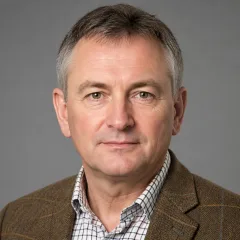
The University of Cambridge is facing fresh scrutiny after Professor Jason Arday, who became the university's youngest Black professor when appointed in 2023, resigned from his role in the sociology faculty. The resignation followed the launch of an internal inquiry into "new information" about his academic qualifications and honorary appointments.
Allegations that prompted inquiry
The investigation centres on a series of published concerns about Professor Arday's work and public claims. The most prominent of those relates to allegations that passages in his 2015 PhD thesis bear significant similarity to a paper published six years earlier by another researcher. Media reporting has also questioned statements he made about fundraising totals, athletic feats and honorary posts at other institutions.
- Allegations of copied material in his doctoral thesis compared with an earlier paper.
- Questions about claims that he had raised substantial sums for charity through long-distance running challenges.
- Discrepancies reported by other universities regarding honorary appointments he was said to hold.
In response to the university's announcement that an inquiry had begun, Professor Arday issued a letter to colleagues published by the Good Law Project in which he said the position at Cambridge had been "the greatest professional privilege of my life" and described the personal impact of recent scrutiny.
"While criticism is an inevitable part of academic life, what I have experienced has gone far beyond scholarly disagreement. The relentless accusations, speculation and public commentary have taken a profound toll on me and on those I love."
Context and consequences for Cambridge
The affair has prompted discussion locally about academic standards, verification of credentials and how universities handle allegations against senior staff. Arday's appointment in 2023 had been widely noted, not only for his age — reported at 37 when he became a Cambridge professor — but for the personal narrative he brought to public life, including overcoming learning challenges.
University statements have been careful to set out that an inquiry began after "new information" came to light; they did not publish further details. The Good Law Project, which circulated Arday's letter and has supported him recently, also assisted in distributing his response to the media.
| Key date | Event |
|---|---|
| 2015 | Year of Professor Arday's PhD thesis cited in reporting |
| 2023 | Appointed as a Cambridge professor, described as the youngest Black professor at the university |
| 2026 | University announces inquiry; Professor Arday resigns |
For staff and students in Cambridge the immediate practical consequences will depend on the scope and outcome of the inquiry. The university's procedures for investigating academic conduct and the verification of external claims will now be put under a spotlight. Departments who worked with Professor Arday will need to make short-term arrangements to cover teaching, supervision and ongoing research commitments.
More broadly, the case touches on how reputations are assessed and contested in public life. A separate letter circulated earlier and signed by academics and some politicians, criticised the coverage of the allegations as a campaign designed to undermine Arday and other Black people in positions of influence. That appeal illustrated the wider sensitivities around issues of race, representation and the standards to which prominent academics are held.
The university has not published further particulars of the "new information" prompting the inquiry and has not given a timetable for its conclusion. University colleagues and students will be watching closely for updates on the formal process and any findings that emerge.
This remains a developing story in Cambridge's academic community; the outcomes of the inquiry may have implications for how universities in the city and beyond assess claims made about scholarships, fundraising and honorary titles in future.