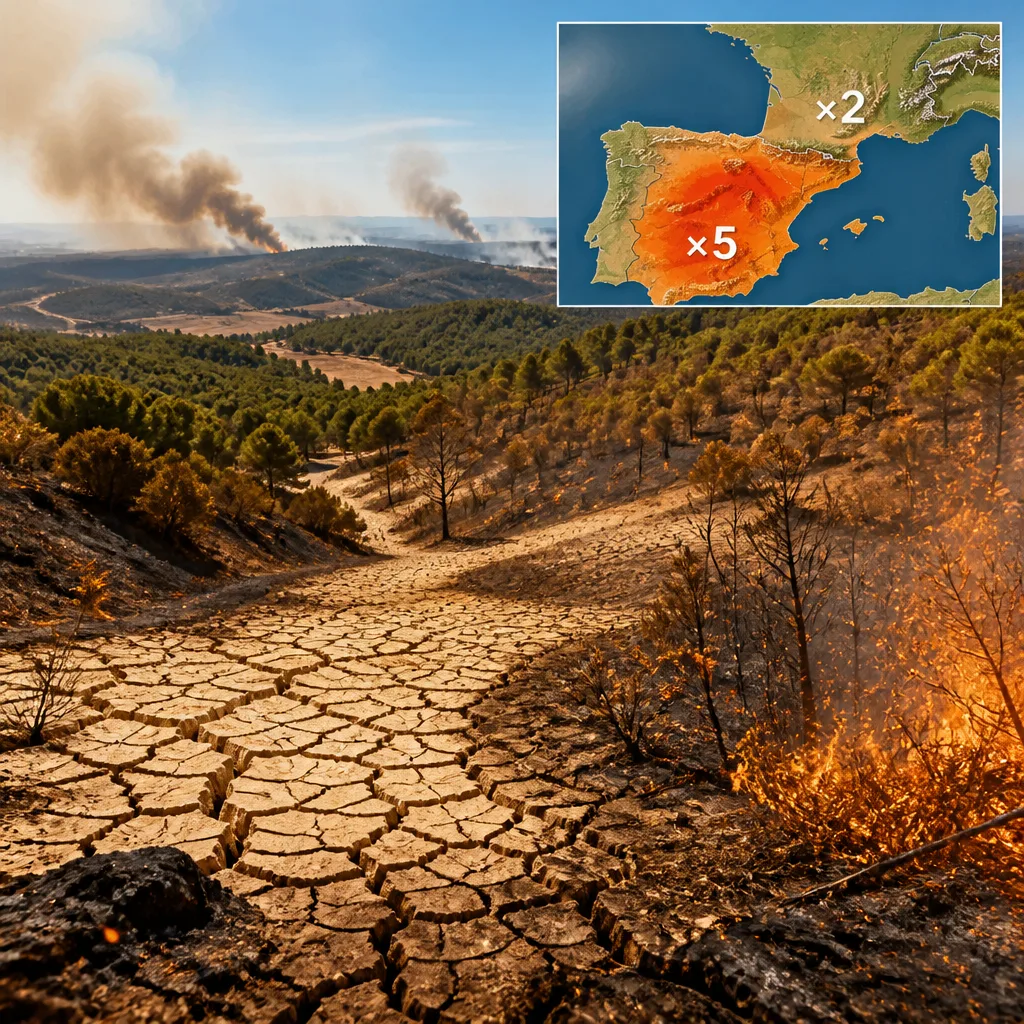
The extreme weather behind the recent, large wildfires in Spain and France has been made substantially more likely by human‑caused climate change, scientists said on Friday. New analysis by an international team shows that the conditions that make fires hard to control — namely hot, dry and windy weather — have become considerably more frequent as the planet warms.
How much more likely?
The World Weather Attribution group used historical observations to assess how “fire‑prone” weather has changed. Their findings show that, in today's climate:
- Central Spain is experiencing the type of hot, dry and windy conditions that drive severe fires about 20 times more often than in a pre‑industrial climate.
- South‑west France now sees similar conditions at roughly double the historical frequency.
Put another way, the study estimates that these extreme fire‑favouring conditions are now likely about once every six years in central Spain and once every 20 years in south‑west France.
What is driving the change?
The researchers emphasise that greenhouse gas emissions from burning fossil fuels have raised global temperatures. The World Meteorological Organization places the current global mean temperature at around 1.4°C above pre‑industrial levels. That overall warming amplifies heat extremes and dries out soil and vegetation, creating more flammable landscapes.
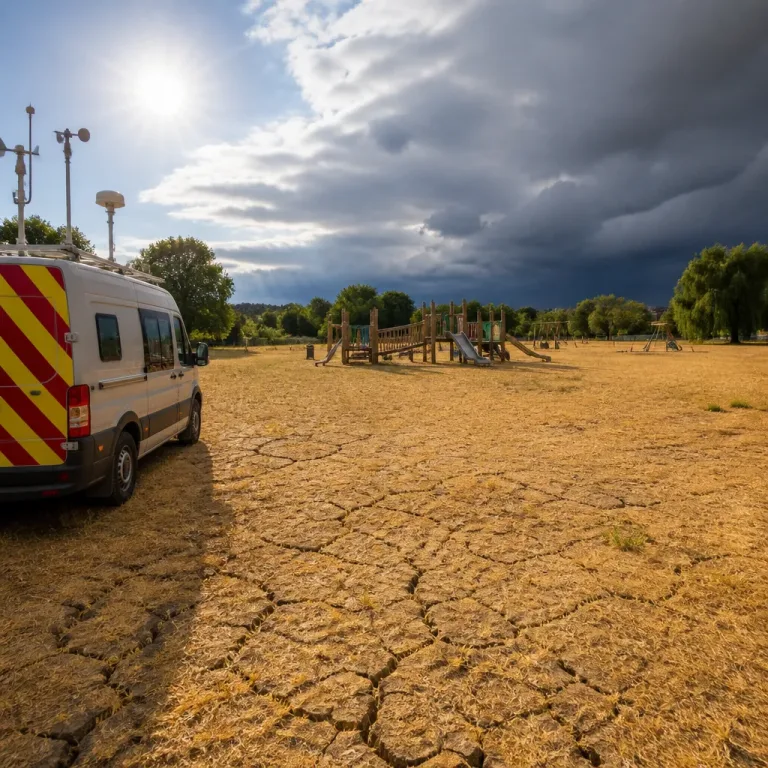
Another key factor affecting Europe's wildfire risk is how seasons have been working together in recent years: a wetter winter encourages abundant vegetation growth, followed by a dry spring and summer that desiccates that fuel. The result is forests and shrublands stocked with large volumes of highly flammable material by the time high temperatures and strong winds arrive.
Impacts and responses
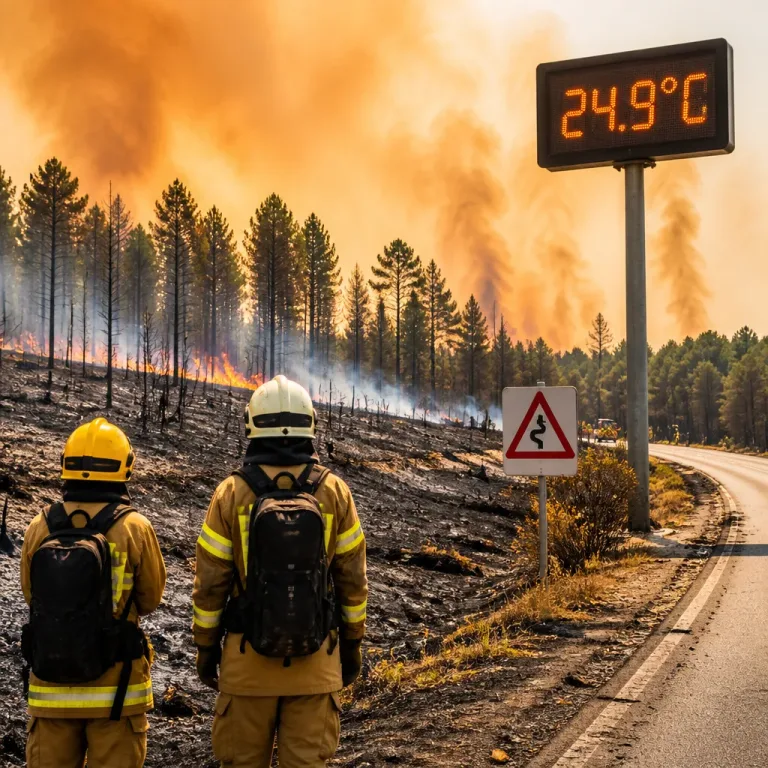
The present wildfires in Spain and France have forced large evacuations and burned extensive areas of land. The WWA team stresses that responding to wildfire risk requires both immediate firefighting resources and longer‑term action to reduce vulnerability.
- Emergency response remains critical when fires ignite.
- Measures to reduce fuel loads and to manage landscapes in a risk‑sensitive way are needed to lower the chance of fires becoming catastrophic.
Examples of preventive work suggested by the analysis include clearing dried vegetation before the high‑risk season and adapting land‑use planning to take the heightened risk into account.
“We’ve seen repeatedly how climate change increases hot, dry, flammable conditions that are extremely conducive to wildfires,”
said Clair Barnes, a research associate in extreme weather at Imperial College London and a co‑author of the WWA analysis. She added that the fact these fires are occurring early in the season and with further heatwaves possible made the findings “extremely scary”.
What this means for the public
For residents and authorities in vulnerable regions, the message is clear: the background risk is rising. That has practical consequences for preparedness — from ensuring evacuation plans are up to date and fire services are resourced, to considering how landscapes are managed outside the emergency season. While weather forecasting and early warning systems remain essential tools, longer‑term reductions in greenhouse gas emissions will also be necessary to limit the increase in these dangerous conditions.
| Region | Estimated frequency now | Approximate return period |
|---|---|---|
| Central Spain | ~20× more likely | Every 6 years |
| South‑west France | ~2× more likely | Every 20 years |
The attribution analysis does not prescribe specific policy measures, but it underlines that tackling wildfire risk requires both short‑term operational readiness and longer‑term planning that accounts for a warmer, drier summer climate. For now, communities, emergency planners and land managers across southern Europe will have to balance immediate firefighting efforts with preventative work to reduce fuel and exposure ahead of the next high‑risk season.
Reporting from Brussels and based on the WWA analysis and World Meteorological Organization figures.