Non‑traditional higher education providers are urging a rethink of how the sector is defined, arguing they deliver flexible, vocational and internationally connected learning that complements rather than replaces conventional universities.
Models built around industry and mobility
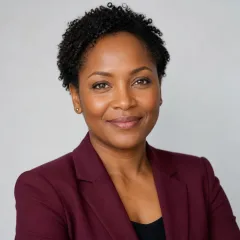
Sharona Friedman, president and co‑founder of the Global Institute of Sport (GIS) and newly appointed chair of Independent Higher Education (IHE), told Times Higher Education that her organisation’s model demonstrates how different approaches can work alongside the established university system.
GIS runs degrees and short courses that combine classroom study with access to major sporting venues worldwide. Rather than a single campus, students study in a range of locations from stadiums to specialist facilities, with options to attend in person, follow content online or combine both.
| Programme type | Examples |
|---|---|
| Undergraduate | Football coaching, sports management |
| Postgraduate | International football business, sports analytics |
| Short immersive experiences | One‑week intensives at stadiums |
The emphasis, Ms Friedman said, is on producing work‑ready graduates and creating learning that is directly aligned with professional contexts. Students can take part in one‑week ‘‘immersives’’ at venues such as Wembley or the Sydney Cricket Ground either during their studies or after graduation — an approach she described as a “dial‑up, dial‑down” model that allows learners to choose the intensity and mode of study that suits them.
“I think some people look at different as bad,” she said. “We’re not trying to replace traditional universities; we’re trying to be a different option.”
Facing perception and regulatory pressures
Despite their growing presence, independent providers face public and political scepticism. Ms Friedman acknowledged that some people conflate established, quality‑assured institutions with “rogue operators” who enter the sector without robust oversight. That negative perception has been compounded by recent government efforts to crack down on poorly performing or franchised providers.
As chair of IHE, Ms Friedman has made public confidence a priority. The body represents a range of smaller or specialist institutions and evaluates members against standards intended to distinguish them from less credible entrants to higher education.
- IHE membership involves assessment intended to reassure students and employers.
- Providers stress vocational connections and practical learning as core strengths.
- There remains concern about broad public perceptions linking all private providers with poor‑quality operations.
Implications for students and the sector
For prospective students, the expansion of high‑quality independent providers could offer alternatives that are more directly tailored to specific careers, particularly in industries where workplace access and applied skills are paramount. For employers, such courses may provide a pipeline of graduates with targeted expertise and experience.
But the debate over how to regulate and recognise different providers is likely to continue. Policymakers must balance a desire to protect students from low‑quality provision with the need to allow innovation in teaching and flexible routes into higher education. That discussion will have consequences for funding, quality assurance and the future shape of the higher education landscape.
Ms Friedman’s comments underline the persistent tension: independent providers seek legitimacy and clearer understanding of their role, while critics press for stricter oversight to prevent exploitation of students. How government and regulators respond could determine whether alternative models become mainstream options or remain marginal experiments.
For families and students choosing where to study, the conversation is practical as well as philosophical: it concerns recognition of qualifications, employability outcomes and the kinds of learning environments that best prepare young people for the labour market of the next decade.