Seplat Energy Plc has reaffirmed a substantial role for the private sector in education reform, saying it will extend investments in STEAM, scholarships and teacher development across several Nigerian states to help prepare young people for the future labour market.
Private-sector-led education at ASIS
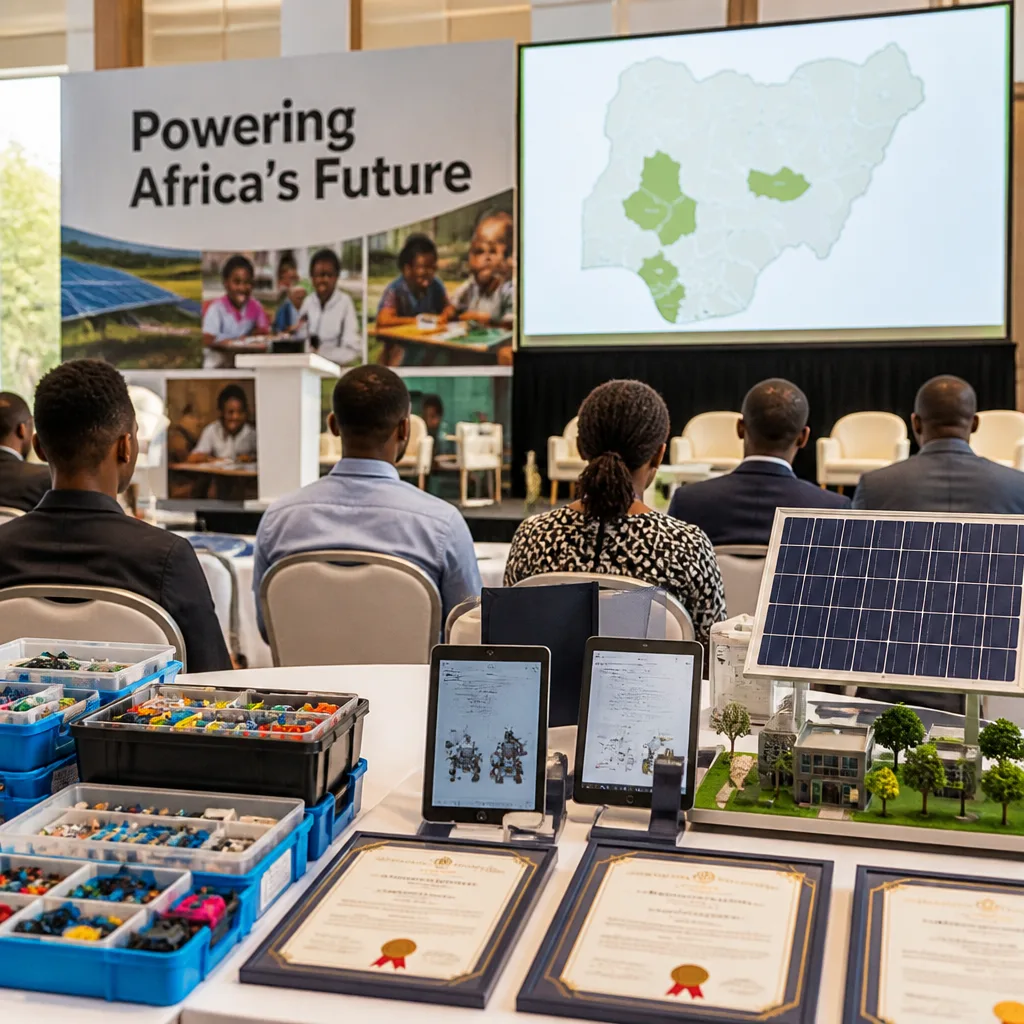
Addressing delegates at the 2026 Africa Social Impact Summit (ASIS), the company said its sponsorship of the plenary session titled Powering Africa’s Future: Private Sector Leadership in Education Transformation underlined a shift from policy conversation to implementation. The session convened policymakers, business leaders, development partners, academics and education stakeholders to explore how strategic partnerships, digital innovation and targeted investment can deliver sustainable learning systems.
Rogers Brown, Seplat’s chief executive officer, was represented at the summit by Chioma Afe, director of External Affairs and Social Performance. The firm set out a portfolio of current and planned initiatives spanning basic and secondary education, tertiary scholarships, teacher empowerment and STEAM (Science, Technology, Engineering, Arts and Mathematics) interventions.
“Our partnership with the Africa Social Impact Summit provides an opportunity to collaborate with organisations that share our vision of transforming education on a national scale. This goes beyond conversations to action,”
The company said it has directed investments to its host communities in Edo, Delta and Imo states, and announced plans to extend interventions to Akwa Ibom State. Among the projects highlighted were the company’s Access to Energy initiative, STEAM laboratories and the Seplat Innovation Programme, which encourages secondary school learners to develop clean energy solutions in partnership with the Nigerian National Petroleum Company Limited (NNPCL).
Focus areas and potential impact
The interventions described by Seplat indicate a multi-layered approach combining infrastructure, curriculum emphasis and talent development. Key strands include:
- STEAM education and laboratories to build practical skills and technological literacy;
- Teacher empowerment programmes intended to raise pedagogy and sustain classroom quality;
- Tertiary scholarships to broaden access to higher education for students in host communities;
- Innovation challenges through the Seplat Innovation Programme, linking pupils with industry to develop clean energy solutions.
Seplat’s framing positions these initiatives as contributing to workforce preparation for a changing economy, emphasising collaboration between government, private sector and development partners. The company described its sponsorship of the ASIS plenary as an opportunity to move from dialogue to scaled action.
Where Seplat is working
The company provided a geographic focus for its work, naming specific states where investments have been concentrated and where expansion is planned. The interventions, as described at ASIS, remain centred on Seplat’s host communities.
| State | Interventions cited |
|---|---|
| Edo | Basic and secondary education, STEAM labs, teacher programmes |
| Delta | Scholarships, Access to Energy, STEAM initiatives |
| Imo | Education development programmes and capacity-building |
| Akwa Ibom | Planned expansion of interventions |
Seplat’s statement did not publish detailed figures on budget allocations or the number of beneficiaries for each programme at ASIS. The company framed the interventions as part of a longer-term commitment to host-community development and national education outcomes.
Broader context and considerations
Private investment in education can accelerate access to resources and specialist provision, especially in areas such as STEAM where laboratories and equipment are costly. However, reliance on corporate partnerships raises questions about sustainability, alignment with national curricula and the governance of programmes once corporate funding cycles change.
Seplat’s model — combining infrastructure, skills development and innovation challenges in partnership with a national oil company — exemplifies one approach to linking industry needs with educational outcomes. For pupils and parents, the immediate promise is increased opportunities for hands-on learning and pathways into employment-relevant skills. For policymakers and educators, the task is to ensure such programmes integrate with broader system priorities, teacher professional development and inclusive access.
As private actors like Seplat take visible roles at fora such as ASIS, the conversation shifts to measurable outcomes: how many learners will access STEAM labs, what qualifications will scholarships support, and how teacher empowerment will be translated into sustained classroom improvement. These are the questions that will determine whether this commitment moves beyond pilot projects to systemic change.