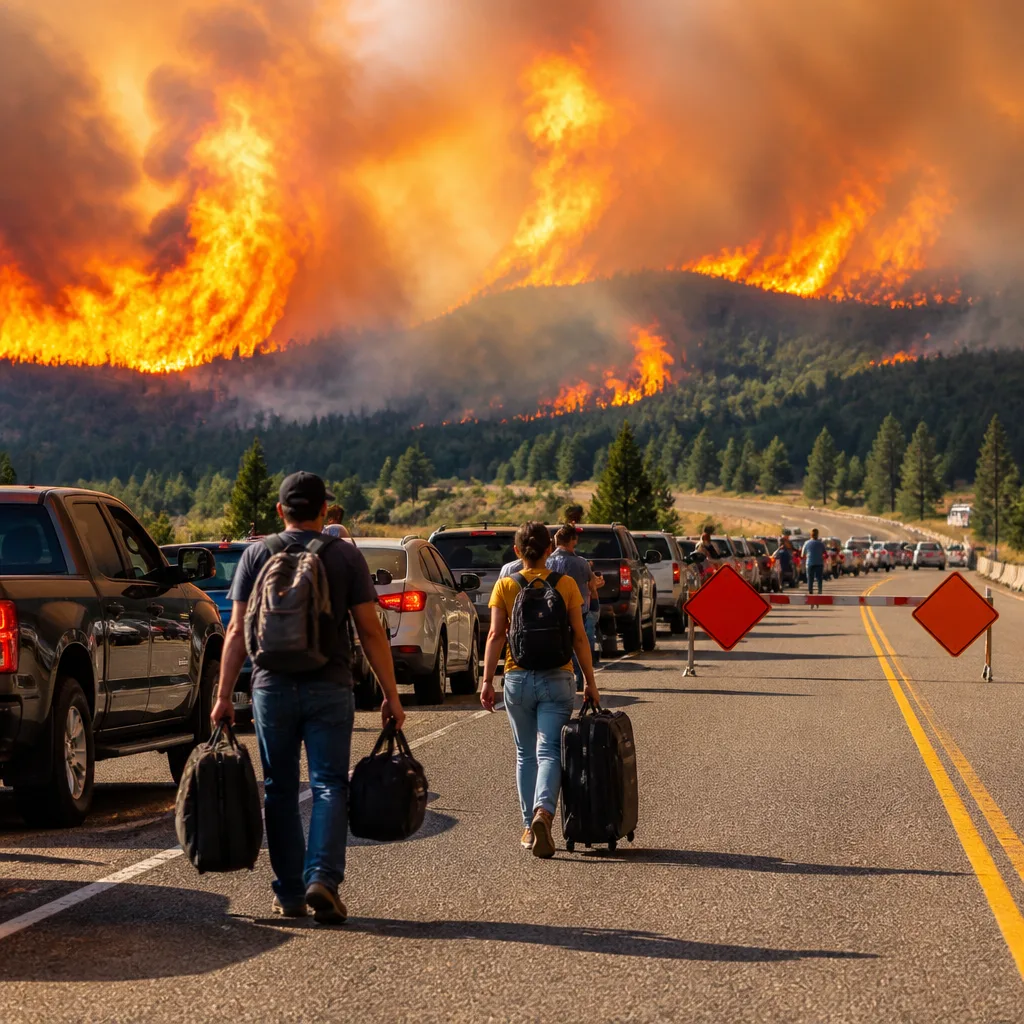
Multiple wildfires near Clinton, British Columbia, have combined into a single large blaze, the BC Wildfire Service (BCWS) said, forcing authorities to issue an evacuation order for 70 Mile House and raising fresh concerns about rapid fire growth, highway closures and worsening smoke.
What has happened
BCWS confirmed that several fires in the Thompson-Nicola and Squamish‑Lillooet Regional Districts are now part of the so‑called Big Bar complex. As of Sunday morning the combined area of the complex was estimated at 88,812 hectares. In addition, the Pear Lake and Fiftynine Creek fires — which merged overnight — together were reported at an estimated 66,871 hectares.
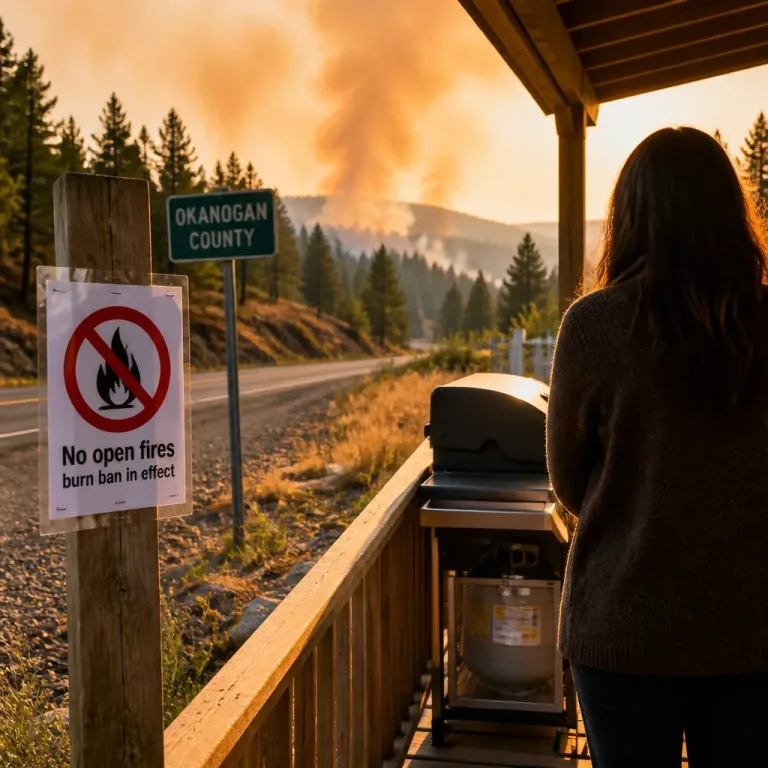
Local authorities in the Thompson‑Nicola Regional District (TNRD) have issued an evacuation order for 70 Mile House, effective from 10:00am on Monday 27 July. South Green Lake remains on an evacuation alert. Emergency Support Services (ESS) will be available to people affected once the evacuation order takes effect; those who leave earlier will not be eligible for ESS until the order is active.
“Please note that if residents choose to evacuate before the evacuation order is in place, they will not be eligible for ESS supports until the order officially comes into effect.”
Fire behaviour and impacts
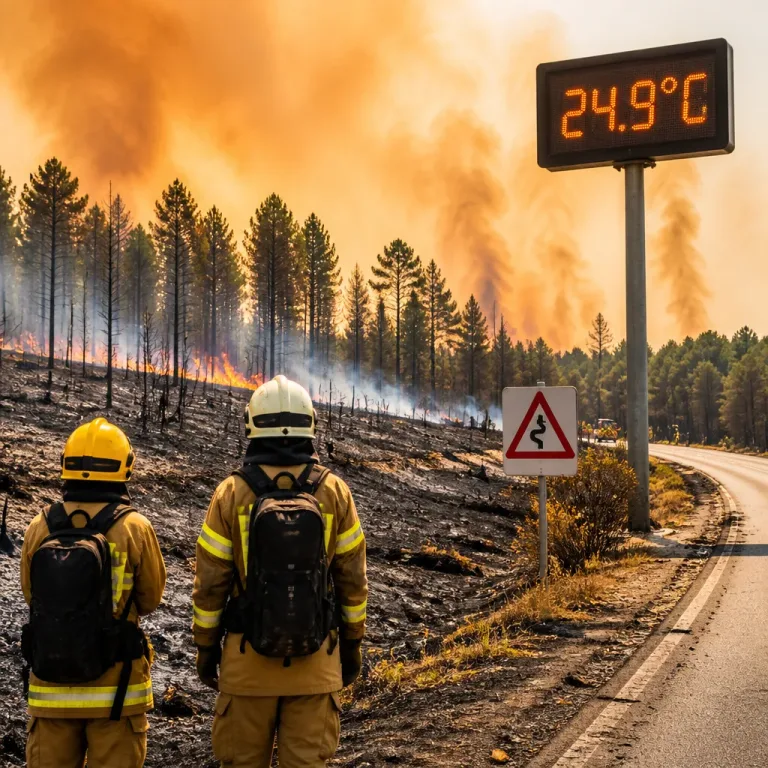
BCWS noted aggressive fire activity in multiple locations. The Fiftynine Creek fire has impacted Highway 97 at Chasm and is progressing north; it has jumped previously established containment lines. There has also been growth along the west flank of the fire, fanned by winds from the Marble Range, and flames have been visible from Jesmond Road.
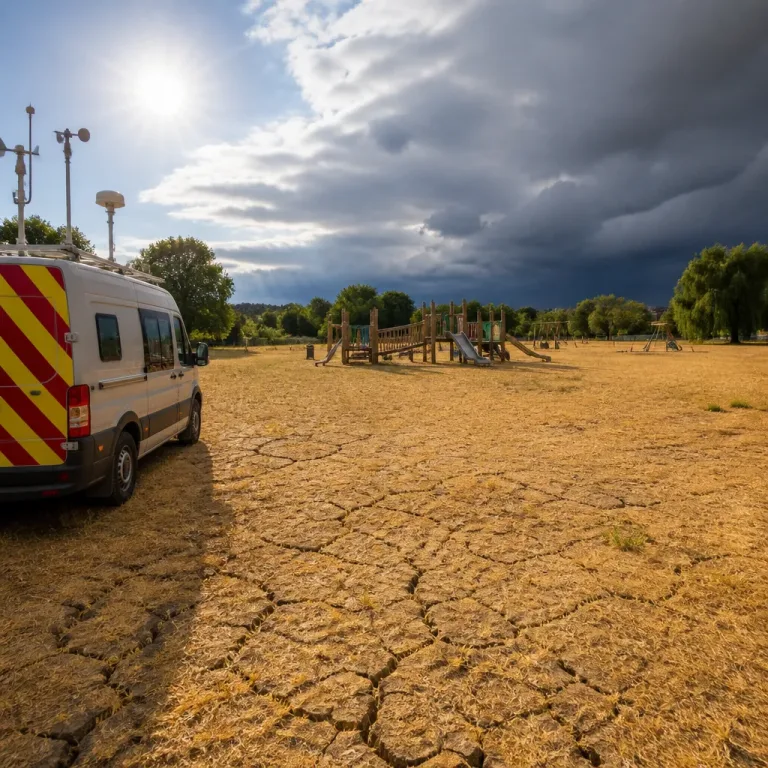
On Saturday the fires exhibited intense behaviour, described by BCWS as Rank 4 and 5 on the scale used to denote extreme fire intensity. Fuel conditions in the area are badly affected by prolonged drought, making vegetation highly susceptible to accelerated fire spread.
| Area | Estimated size (hectares) |
|---|---|
| Big Bar complex (combined fires) | 88,812 |
| Pear Lake + Fiftynine Creek (merged) | 66,871 |
Practical advice and likely consequences
As the Weather editor I would urge anyone in or near affected areas to follow official instructions from local authorities. The following measures are sensible while a large wildfire is active:
- Observe evacuation orders and alerts closely; have an evacuation plan and a grab bag ready.
- Expect disruptions to major routes such as Highway 97; plan alternative travel and allow extra time.
- Reduce exposure to smoke: stay indoors, close windows and use an appropriate mask (FFP2/N95) if you must be outside.
Emergency Support Services will provide accommodation, food and basic supports to people affected by the evacuation order once it is in effect. TNRD has advised that, based on current activity, there is currently no need to evacuate immediately for some locations — but conditions can change rapidly and residents should remain ready to act.
Context
This event forms part of a wider pattern of intense wildfire activity across parts of British Columbia this season. Persistent drought has left fuels extremely dry and primed for rapid spread when winds are favourable. The merging of multiple fires into larger complexes increases the challenge for firefighters and can create its own complex local weather patterns that further influence behaviour.
We will continue to monitor official updates from the BC Wildfire Service, TNRD and local emergency management agencies. For now, the key messages are to stay informed through official channels, heed evacuation instructions, prepare for travel disruption and take steps to protect your health from smoke.