India's Education Minister Dharmendra Pradhan resigned on Saturday as student-led protests escalated following revelations that this year's National Eligibility-cum-Entrance Test (NEET) for medical school had been compromised.
Mass movement grows from social-media origins
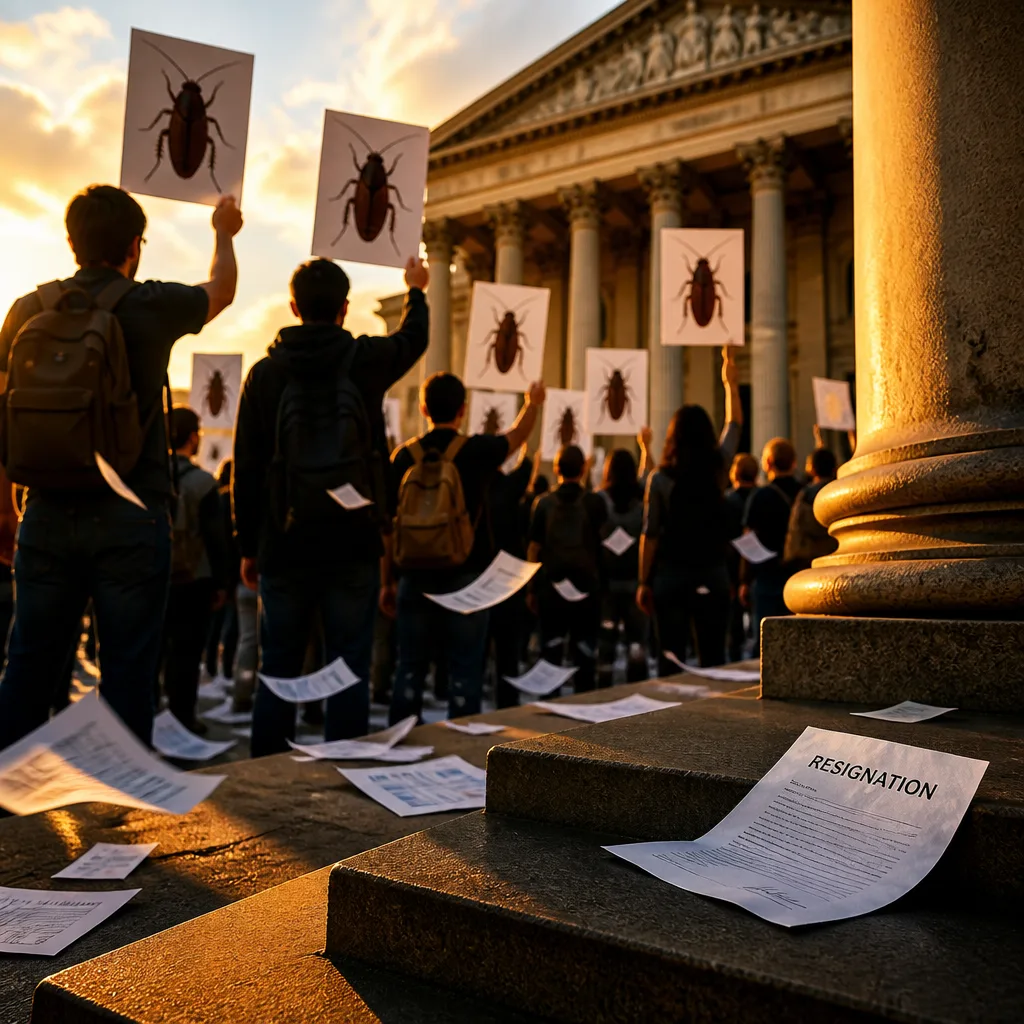
The demonstrations were driven in large part by the "Cockroach Janta Party" (CJP), a campaign that began as a social-media parody but rapidly evolved into a potent force demanding reforms. The group, which adopted its name after a remark by Chief Justice Surya Kant comparing some unemployed young people to "cockroaches" and "parasites" during an unrelated hearing, attracted millions of followers and began organising street protests in late June.
Student activists accused the minister of failing to ensure the integrity of NEET, the single national examination used to allocate undergraduate medical places.
How the scandal unfolded
More than 2 million candidates sat the three-hour test this year, according to reporting referenced by the BBC. Concerns were first raised when an exam coach noticed a circulating "guess paper" — a practice test being shared online — bore a close resemblance to the actual questions used in NEET. Subsequent investigations by police concluded that questions had been leaked and that access to the material had been monetised.
| Fact | Figure |
|---|---|
| Candidates who sat NEET | Over 2 million |
| Available undergraduate medical seats | Fewer than 130,000 |
| Reported deaths following the exam controversy | At least 20 |
| Amount reportedly paid for access to the "guess paper" | Up to 5,000 rupees |
News that the test results were invalidated provoked widespread distress among test-takers and their families. Protesters blamed the wider failures they said the scandal exposed in the country's examination system and targeted the government for what they described as systemic neglect.
Human cost and political fallout
Reports by international agencies and local media linked at least 20 student deaths by suicide to the fallout from the cancelled results, an outcome that intensified public anger. The CJP and other demonstrators demanded accountability and immediate reforms, with the departure of the education minister at the centre of their calls.
"[The CJP] started as a parody account on social media after Indian authorities invalidated the annual medical school entry exam in May,"
The movement's rapid growth underlines how a digital-origin campaign can translate into large-scale street protests when it taps into anxiety about fairness and social mobility. Medical school selection in India is fiercely competitive — fewer than 130,000 undergraduate places were available this year — meaning many families invest heavily in preparation for a single national exam.
Immediate implications and next steps
- Resignation increases pressure on the government to outline concrete reform measures for exam security and oversight.
- Authorities face calls to investigate how leaks occurred and to prosecute those responsible for distributing or selling exam material.
- Students and families will seek clarity on how medical admissions will be handled for this year’s cohort and what remedies will be offered to those affected.
The resignation marks a rare instance in which a minister has stepped down amid direct mass protest over an education examination issue. The longer-term consequences will hinge on whether authorities can restore confidence in the national testing system, provide answers to grieving families, and implement safeguards to prevent a repeat. For millions of aspirant doctors and their parents, the scandal has deepened questions about fairness and the strains placed on those trying to enter the medical profession.
Coverage of subsequent developments, including any new appointments and government responses, will be followed closely by students, universities and education observers across India.