India’s education minister Dharmendra Pradhan has resigned after sustained nationwide protests that began over allegations of exam paper leaks and grew into a broader movement demanding accountability and reform. The minister announced his decision on social media, handing a major victory to the youth-led Cockroach Janta Party and marking the most significant concession by Prime Minister Narendra Modi’s government to public dissent in recent years.
What happened
Pradhan said in a post on X that he stepped down out of respect for the aspirations and expectations of young people. In his message he wrote:
“I hold deep respect for the aspirations, sentiments, and rightful expectations of the youth of this country. Realising the dreams of India’s young generation has been the moral resolve of our political and social life.”
The Cockroach Janta Party, the satirical movement that helped channel protests, celebrated the resignation online, proclaiming:
“Cockroaches won. Democracy won!”
From exam controversy to mass mobilisation
The unrest began more than a month ago after allegations of leaks in some of India’s most competitive entrance examinations and accusations of irregularities in testing. What started as demands for education reform soon broadened into protests over unemployment, government accountability and economic opportunity.
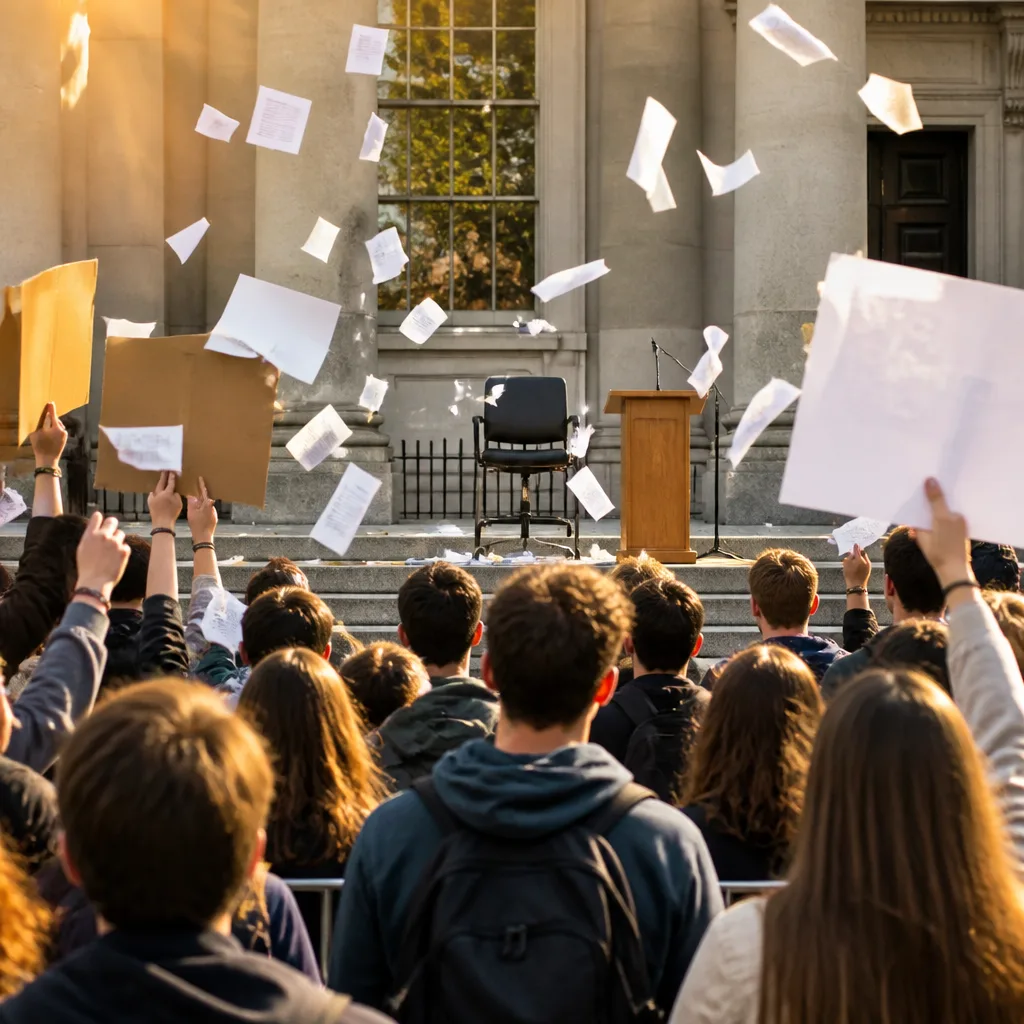
Thousands of students, professionals, families and activists joined demonstrations and sit-ins across major cities. A notable escalation occurred when prominent educationist Sonam Wangchuk mounted a hunger strike, surviving on only salt and water for 26 days before being forcibly removed from his protest site by police and paramilitary personnel. Visuals of that intervention galvanised support and helped swell the numbers taking to the streets.
- Protests began after alleged exam paper leaks and testing irregularities.
- Sonam Wangchuk undertook a 26-day hunger strike and was later removed by authorities.
- On a major demonstration on 20 July protesters attempted to march to Parliament, where police used tear gas and batons to prevent their advance.
Political and social consequences
Pradhan’s resignation is the first major policy-level concession by the government in response to the protests. The movement, amplified by the Cockroach Janta Party and wider public anger, turned a technical scandal about examinations into a test of accountability and youth frustration with economic prospects.
News of the resignation prompted scenes of celebration among protesters who had gathered in central locations; many embraced one another and waved the national flag. The movement’s success will increase scrutiny on how examinations are administered and on the government’s responsiveness to similar crises in future.
Timeline
| Event | Detail |
|---|---|
| Initial protests | Organised after allegations of exam leaks and testing irregularities; spread nationwide over several weeks. |
| Hunger strike | Educationist Sonam Wangchuk undertook a 26-day hunger strike, later removed by police. |
| Major march | On 20 July, thousands marched towards Parliament; police used measures to stop the advance. |
| Resignation | Pradhan announced his resignation on social media, following weeks of demonstrations. |
While the resignation resolves the immediate focal point of anger, the underlying concerns raised by demonstrators — including examination integrity, employment prospects and governmental accountability — remain unresolved. Education stakeholders, students and families will be watching closely for any changes to the way national entrance exams are overseen and for broader reforms to restore confidence in a system that shapes many young people’s futures.
The outcome also raises questions for India’s political leadership about how to engage with mass youth movements and whether further institutional changes will follow to prevent similar crises in a system on which millions depend.