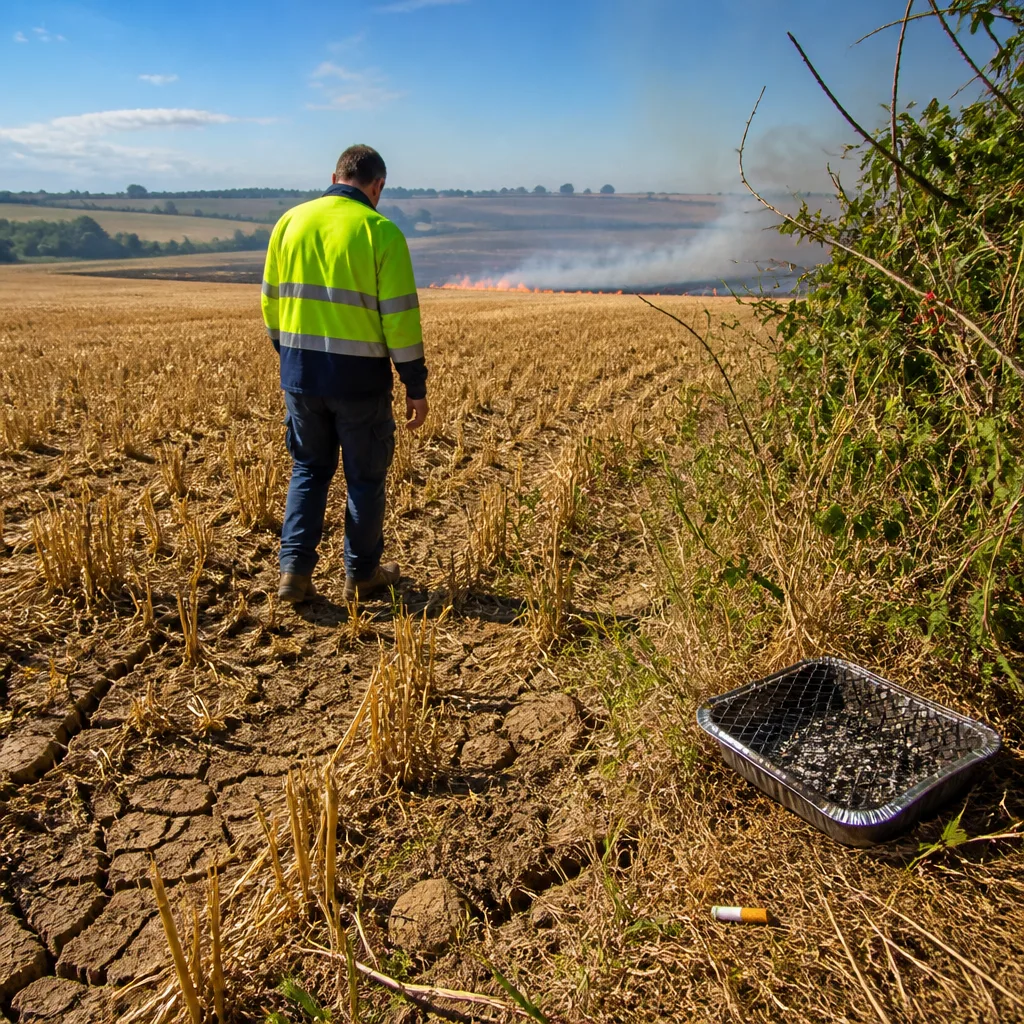
The National Farmers’ Union and regional representatives have warned that this year’s harvest is “the worst in years”, blaming a sequence of extreme weather that has left some cereal crops scarcely worth harvesting and has heightened the risk of wildfires across southern England.
From a wet winter to record dry spells
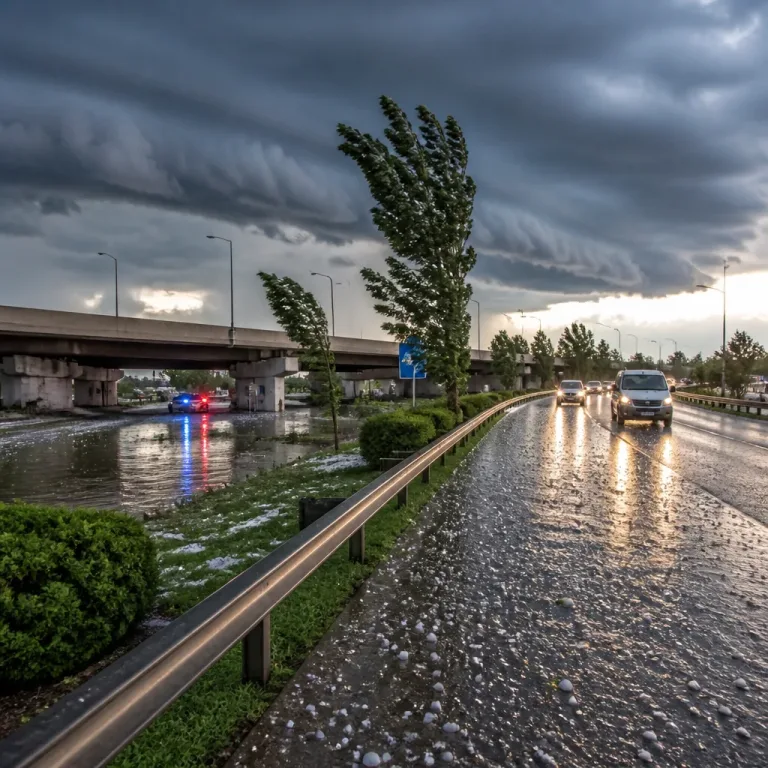
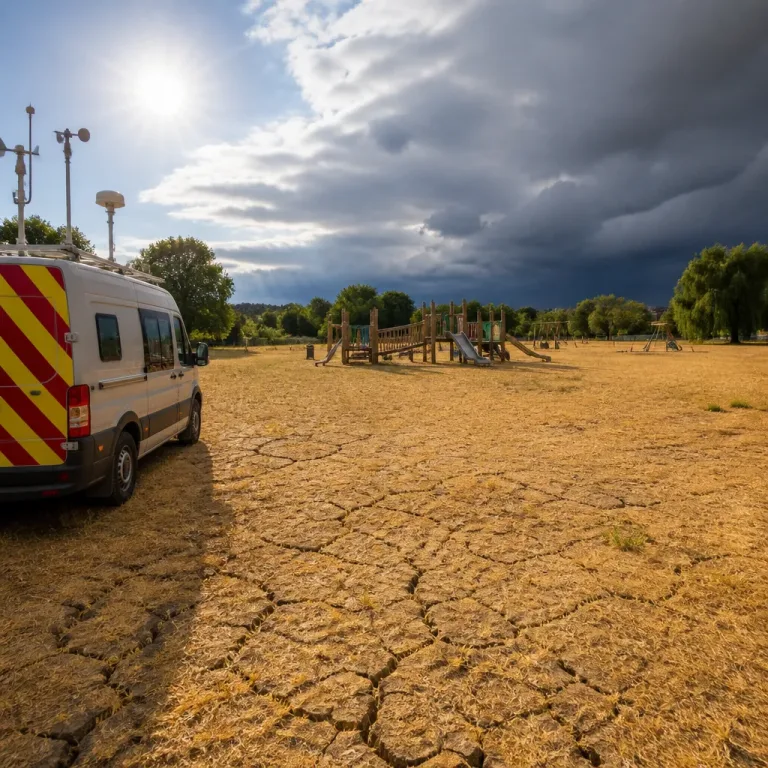
Farmers across the south of England describes a punishing contrast in conditions: a very wet winter that disrupted planting and early growth, followed by a heatwave this summer, which included the Met Office issuing a red extreme heat warning as temperatures reached 40°C in parts of the country. In consequence, many wheat crops have failed to develop to their typical height and yields are well down in affected areas.
What farmers say
Tim Bamford, regional director of the Country Land and Business Association (CLA) for the South East, said the pattern of extremes is becoming more frequent and called for government action to help farmers adapt and protect land.
"Farmers are telling us this is the worst harvest in years. A sodden winter followed by drought has left wheat at half its usual height and some crops not worth harvesting."
He added that this is already the third drought in five years for the region and warned that what were once exceptional events are now recurring, requiring long-term planning and practical changes to regulation.
Wildfire risk and land management challenges
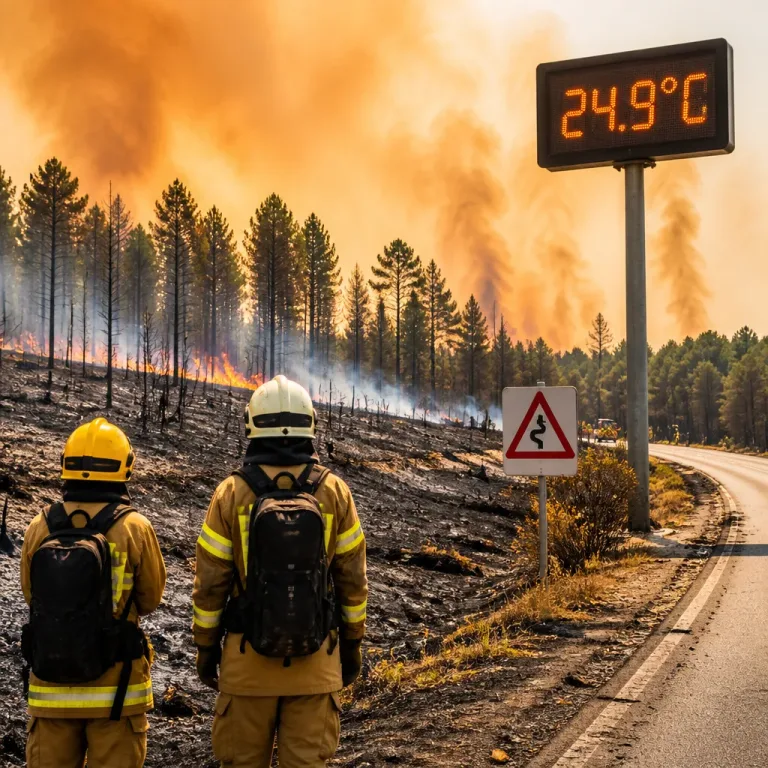
The South East has seen a number of significant fires this summer, stretching local fire and rescue services and raising fresh questions about procedures for controlled burning, a traditional land-management technique used to reduce fuel load.
Bamford emphasised that controlled burning, when carried out at the correct time of year by those with local knowledge, can reduce the likelihood of large blazes. He also said the current licence system to undertake prescribed burns is “complex, time consuming and unwieldy”, and urged government to streamline it so landowners can protect habitats and reduce wildfire risk.
Recent wildfire incidents
Emergency services have tackled multiple incidents across the county in recent weeks. The most notable include:
- 20 July – a large fire in Abbots Wood, Arlington, which destroyed approximately two hectares of woodland.
- Earlier in July – a blaze on the South Downs between Butts Brow and Eastbourne Downs Golf Club.
- 11 July – a fire at Devils Dyke that required eight fire engines and crews working through the night to extinguish it.
| Date | Location | Impact |
|---|---|---|
| 20 July | Abbots Wood, Arlington | ~2 hectares of woodland destroyed |
| Early July | South Downs (Butts Brow–Eastbourne Downs) | Wildfire response required |
| 11 July | Devils Dyke | Multiple appliances, overnight firefighting |
Practical advice and implications
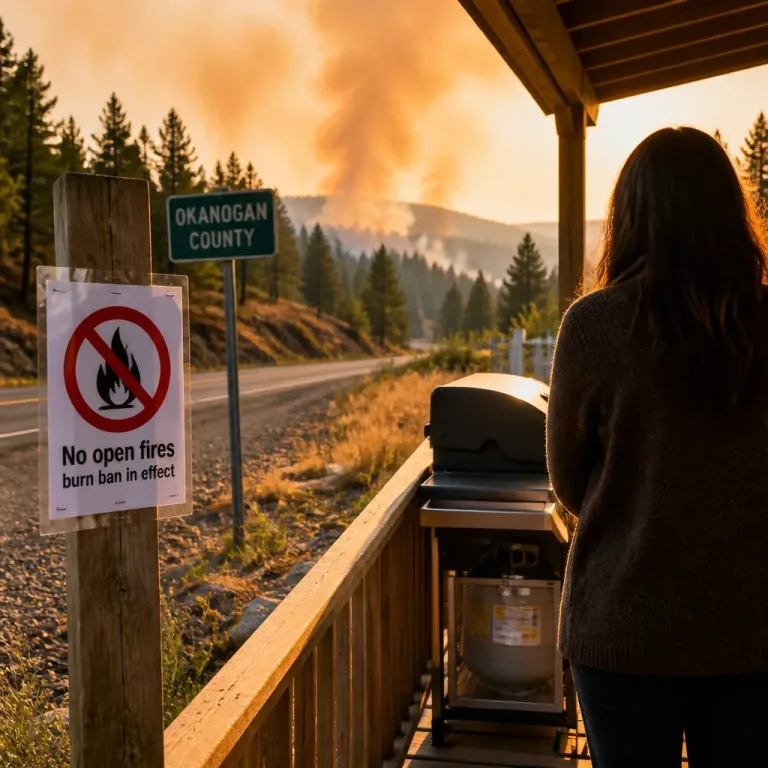
With harvests reduced and fire risk elevated, advisers and emergency services have reinforced straightforward precautions to protect people, property and the remaining crops. West Sussex Fire and Rescue Service has advised the public not to use disposable barbecues in open spaces, to take litter home and to fully extinguish smoking materials — simple steps that can lower the likelihood of ignition and ease pressure on emergency responders.
At a national level, the combination of lower yields and repeated drought cycles will require policymakers to consider support measures for farm incomes, investment in resilient cropping systems and clearer, faster processes for safe land management practices such as controlled burning. Farmers remain adaptable, but as one regional director put it, they are "not invincible" and need to be valued and supported.
For readers working or living in rural areas: remain vigilant during hot, dry spells, follow local fire service guidance, and report any signs of wildfire promptly to help protect lives, livestock and habitats.