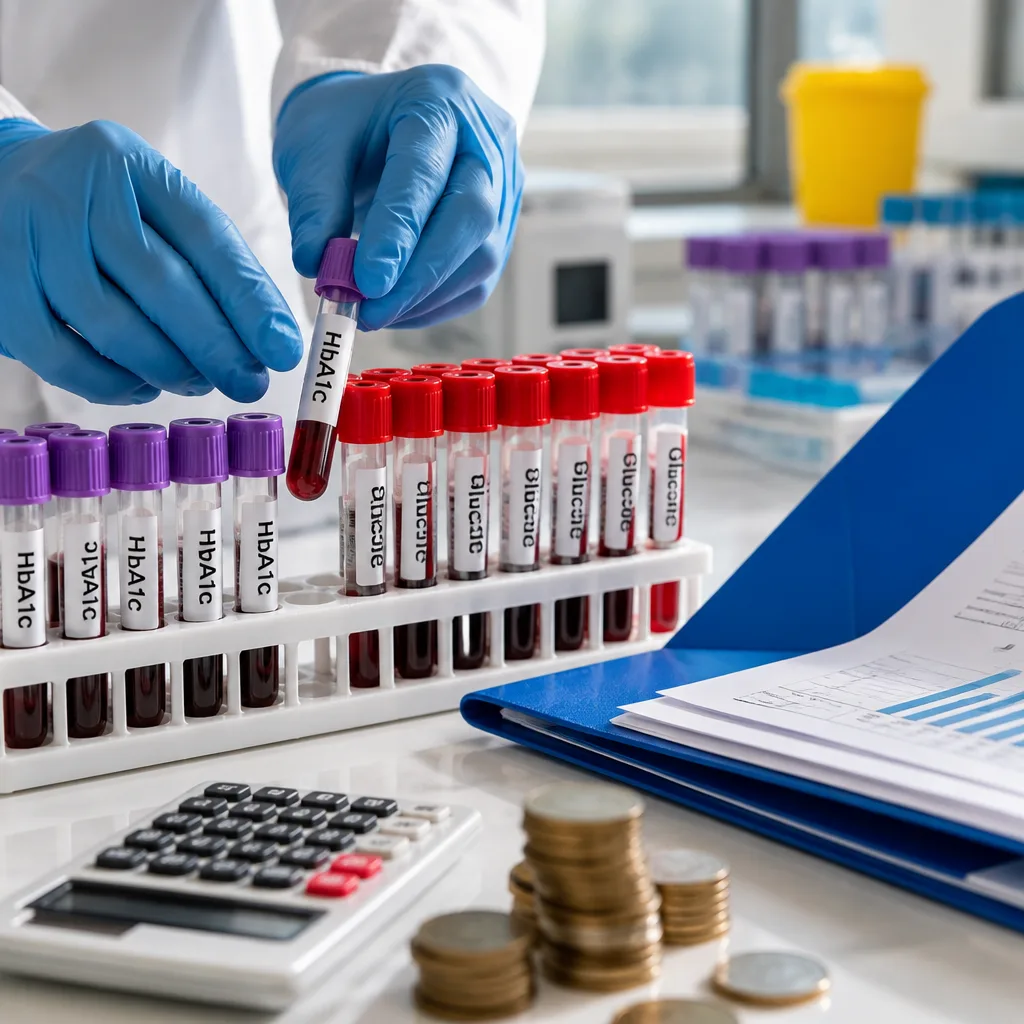
The United Kingdom faces a well‑established diabetes crisis that is placing increasing strain on the NHS, with laboratory services playing a central role in both diagnosis and the long‑term economic sustainability of care.
Testing underpins early access to treatment
Latest assessments indicate around 5.8 million people in the UK are living with diabetes, including those not yet formally diagnosed. Rising rates of obesity and lower levels of physical activity are driving earlier onset of type 2 diabetes, and are associated with higher risks of cardiovascular and renal disease. That trend threatens to shift more NHS resources towards managing advanced complications rather than routine care.
Experts writing on the importance of laboratory work stress that medicines alone cannot deliver improved health outcomes. Instead, the benefit of new treatments — including generics and biosimilars — is realised only when diagnostic pathways reliably identify people who will gain the most.
"Diagnosis: where access begins or fails"
Biochemical testing, such as measurement of glycated haemoglobin (HbA1c) and plasma glucose, remains the foundation for formal diagnosis. Accurate and timely laboratory results enable clinicians to start appropriate therapy sooner and to monitor response, reducing the likelihood of preventable complications.
Cost pressures and the role of generics and biosimilars
Policy commentators and laboratory professionals point to the potential for biosimilar insulins and generic GLP‑1 agonists to broaden treatment options and ease cost pressure for the NHS. But they caution that switching to lower‑cost alternatives must be guided by regulatory approvals, clinical evidence and national or local guidance to ensure patient safety and continuity of care.
Clinical impact and economic savings hinge on decisions taken before therapy begins. Effective laboratory diagnostics are essential to target treatments to those most likely to benefit, and to avoid unnecessary expenditure on managing advanced disease.
- 5.8 million — estimated number of people in the UK living with diabetes (diagnosed and undiagnosed)
- 60% — proportion of current NHS diabetes spending directed at potentially preventable complications
- Laboratory diagnostics — central to early detection, appropriate therapy and monitoring
| Measure | Implication |
|---|---|
| Rising obesity | Earlier onset of type 2 diabetes; increased insulin resistance |
| Majority of diabetes spend | Directed to complications (cardiovascular events, kidney failure, amputations, vision loss) |
Consequences for NHS planning and patient care
With around three‑fifths of diabetes expenditure focused on managing avoidable complications, there is a dual imperative: improving early diagnosis and widening access to clinically effective, affordable treatments. Both aims depend on the integrity and capacity of laboratory services to provide standardised, accurate testing across primary and secondary care.
Health leaders must therefore consider investment not only in medicines procurement but in the diagnostic infrastructure that determines when and how those medicines are used. Strengthening laboratory networks, ensuring consistent diagnostic criteria and aligning local pathways with national guidance are measures that could reduce long‑term costs while improving outcomes.
As treatment options evolve, including greater use of biosimilars and generics, the value delivered to patients and to the NHS will rest on the ability of laboratories to translate scientific advances into dependable, real‑world care.