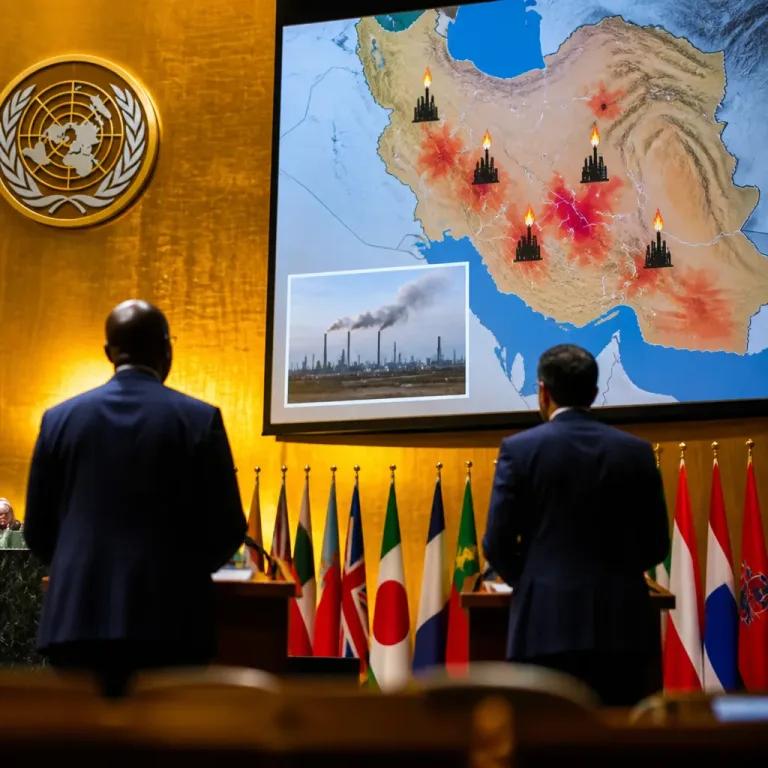
The UK economy is expected to have recorded a further quarter of growth between April and June as firms adapted to disruptions from the war in Iran, though signs of strain emerged in June, economists said on Thursday.
Growth sustained by services and pre-emptive stockpiling
Latest estimates from the Office for National Statistics were forecast by some economists to show gross domestic product (GDP) rose by around 0.4% in the second quarter, following a 0.6% increase in the first three months of 2026. That would mark two consecutive quarters of expansion, underscoring the economy’s near-term resilience to international supply shocks and domestic political uncertainty.
Analysts pointed to the dominance of the services sector in the UK recovery. Activity in May strengthened, led by professional services and scientific research and development, while manufacturers and factories reportedly increased inventories in anticipation of supply shortages and higher prices — a behaviour that helped keep output elevated.
- Services: professional and scientific R&D cited as sources of strength in May.
- Manufacturing: stockpiling by firms buoyed production in the quarter.
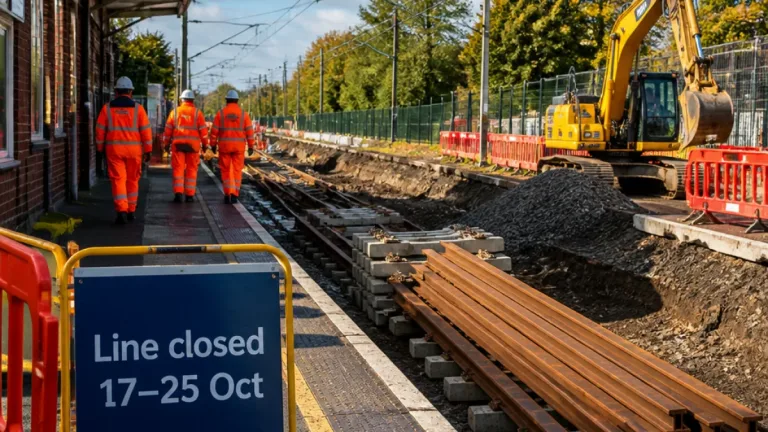
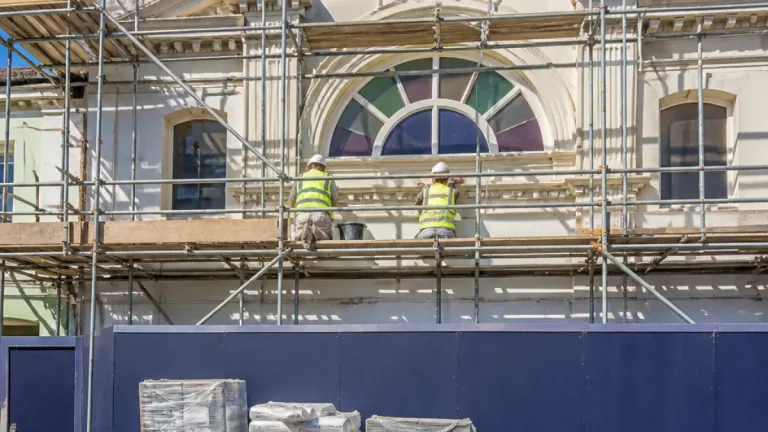
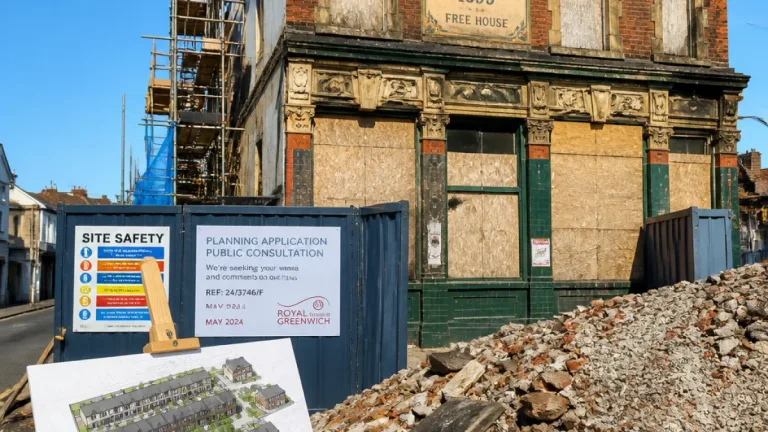
- Construction: suggested as a drag on activity in June.
“The big picture is that the economy has remained resilient to the hit from the war in Iran,”
Rob Wood, chief UK economist at Pantheon Macroeconomics, said the broad pattern of data points to resilience amid international tensions. He and other forecasters cautioned, however, that the picture was not uniformly positive as the quarter closed.
Signs of cooling in June and sectoral divergence
Several economists expect monthly GDP to have fallen in June, reversing some of May’s gains. Mr Wood projected a monthly decline of about 0.1% for June, attributing it to a sharp reduction in construction output and a stagnation in services and industrial production.
Thomas Pugh, chief economist at RSM UK, said his firm’s business surveys indicated hospitality may have softened in June, despite the Fifa World Cup beginning that month. He suggested consumers may have shifted where they spent money — favouring pubs to watch matches rather than increasing overall hospitality expenditure — limiting a potential boost from the tournament.
Economists also flagged the impact of unusual weather patterns. The heatwaves that affected parts of the country produced mixed outcomes for businesses, with some firms benefiting from higher consumer spending in July but others, notably in construction, facing disruptions earlier in June.
| Indicator | Effect in Q2 |
|---|---|
| Services (May) | Strengthened, led by professional services and R&D |
| Manufacturing | Stockpiling raised output |
| Construction (June) | Sharp fall expected to drag on monthly GDP |
Outlook and risks
While second-quarter growth would reassure policymakers and markets that the economy can absorb supply-chain shocks, the uneven data underline persistent downside risks. A contraction in construction and stagnation in services and industry in June point to potential volatility going forward, especially if international tensions or adverse weather patterns persist.
Forecasters noted the possibility of a post-World Cup pickup in activity, citing increased spending in July linked to the tournament and hot weather, but emphasised that monthly swings could mask a more fragile underlying trend. For the Treasury and the Bank of England, the challenge remains to assess whether a series of one-off supports — such as precautionary stockpiling — are masking weaker underlying demand.
As official ONS figures are published, attention will turn to the details behind the headline GDP number: which sectors are genuinely strengthening, which are merely timing-affected, and how sustainable the current pattern of growth may be in the face of ongoing international and domestic pressures.