Local anger as redevelopment may not include council homes
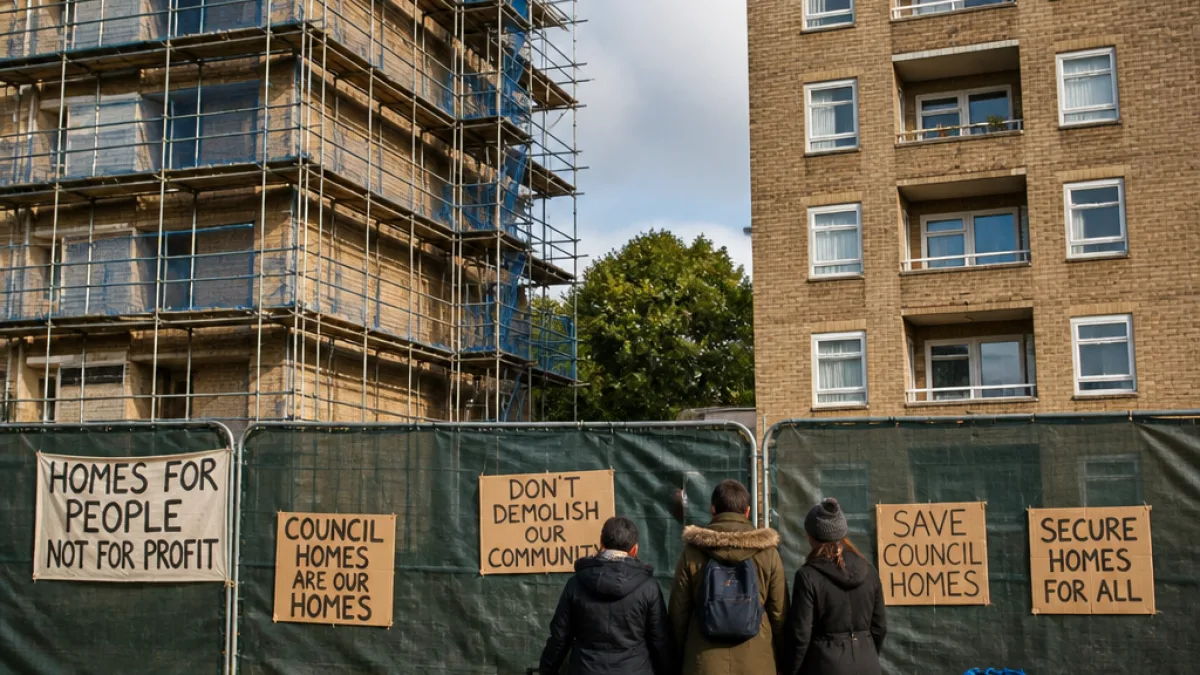
Plans to replace two central Cambridge council blocks with a scheme of 165 flats have prompted criticism from former tenants and housing campaigners after it emerged the development as proposed would not deliver the same level of council housing on site.
The project, led by the Cambridge Investment Partnership (CIP) — a joint venture between Cambridge City Council and developer the Hill Group — would demolish Hanover Court and Princess Court and build a mixed scheme of flats. CIP is now seeking funding from Homes England to enable the delivery of 72 council homes, but council officers have warned there is no guarantee any grant will be forthcoming.
Former resident Harmony Birch, who previously served on the council's housing advisory board and lived in Princess Court, described the situation as "absolutely terrible" and questioned the morality of replacing long-standing council housing with a largely private development.
"I have real questions about the ethics and the morality about the way this has been done, because there was never any question of there not being council houses there."
Documentation released to the BBC under the Freedom of Information Act shows competing viability assessments were drawn up for the site. One appraisal reportedly concluded the scheme would be financially unviable if 40% of units were delivered as affordable housing — the level that is often sought under local policy. That appraisal suggested only two affordable units could be provided on site and proposed off-site provision instead.
Yet a later review indicated the development could potentially offer up to 25% affordable housing. Those differing conclusions point to tensions around how viability is assessed and how much weight is given to delivering genuinely affordable council homes rather than other forms of affordable housing or financial contributions.
Numbers at a glance
| Item | Figure |
|---|---|
| Planned new homes | 165 |
| Council homes applied for (Homes England bid) | 72 |
| Typical policy target for affordable housing | 40% |
| Viability appraisal suggesting affordable provision possible | 25% |
Concerns over transparency and use of public money
Critics argue that the decision-making process has lacked transparency. One former tenant said the publicly available project materials still advertised the development as providing "larger affordable homes", language she said had misled residents about the nature of future provision.
There is also concern about public funds being used to underwrite a scheme that will deliver private housing. Campaigners stress Cambridge has a pressing shortage of genuine council homes and that any redevelopment of long-standing social housing sites should, wherever possible, maintain or increase the number of homes available to those on the housing waiting list.
- Former tenants feel the social fabric of the estate may be lost if council homes are not retained.
- CIP argues viability constraints shape what can be delivered and is pursuing grant funding to mitigate this.
- Council officers warn funding applications carry no guarantee of success, leaving outcomes uncertain.
The debate in Cambridge reflects wider tensions across English towns and cities where councils seek to regenerate ageing estates but face difficult choices when development viability, funding and policy targets collide. Viability assessments have become a contested battleground in many planning decisions, often determining whether new developments include affordable housing on site or instead provide financial contributions or off-site units.
For residents of Hanover and Princess Court, the prospect of demolition and a long period of upheaval is immediate. The absence of a firm commitment to deliver the same number of council homes on the footprint of the existing estate has intensified worries about displacement, loss of community and whether the city’s most vulnerable households will end up housed elsewhere.
Cambridge City Council and CIP have been approached for comment on the differing viability reports and the likelihood of Homes England funding being approved. The outcome of the funding bid will be critical in determining whether a greater proportion of on-site council homes can be realised.
The conversation over this scheme is likely to continue as planning documents are finalised and as councillors consider whether public resources should be applied to support a redevelopment that may deliver a substantial number of private homes in central Cambridge.