The latest analysis of Department for Transport (DfT) figures has placed Oxfordshire at the top of a county-by-county ranking for the proportion of road casualties who were cycling in 2024, rekindling a dispute between campaigners and local authorities over what the statistics actually show.
Numbers and context
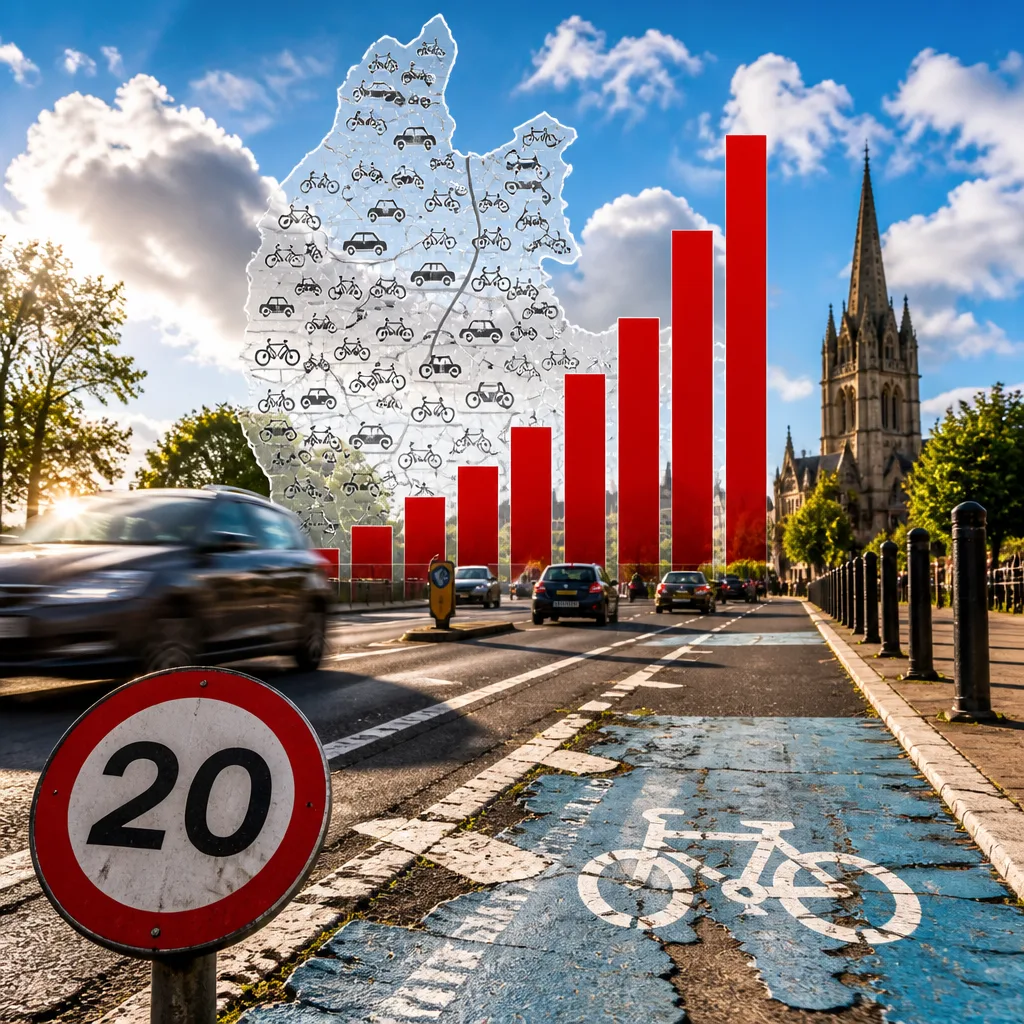
DfT data show there were 1,066 total road casualties in Oxfordshire in 2024, of which 189 were cyclists — a share of 17.73%. That compares with Cambridgeshire in second place at 15.11% (217 cyclist casualties) and neighbouring Gloucestershire at 11.49%.
| County | Cyclist casualties (2024) | Share of total casualties |
|---|---|---|
| Oxfordshire | 189 | 17.73% |
| Cambridgeshire | 217 | 15.11% |
| Gloucestershire | — | 11.49% |
The figures do not, on their own, explain why Oxfordshire’s proportion is highest. Campaign groups argue the numbers reflect both the county’s high cycling levels and shortcomings in road design and driver behaviour.
Fatal collisions and lived experience
The analysis cites individual tragedies that underline the human cost behind the statistics. Cyclist Ling Felce, 35, died in March 2022 after colliding with a lorry at The Plain. Another cyclist, Ellen Moilanen, was killed in February 2022 near the Oxford Parkway station entrance.
For many cyclists and campaigners, such incidents reinforce demands for safer streets rather than suggesting cycling itself is inherently dangerous.
What campaigners and officials say
Thalia Carr, spokeswoman for Oxford’s Cyclox, said counting casualties alone only tells part of the story. She pointed to health benefits from cycling and research showing reduced mortality for regular cyclists.
"A cycling commute to work will reduce your risk of death from cardiovascular disease and cancer as well as contributing to your general health and wellbeing," she said.
Carr highlighted a 2024 Scottish study that, she said, showed cycling led to a 47% reduction in deaths from all causes and a 9% lower chance of ending up in hospital. She argued that fear of traffic deters many people from cycling and that changes to road design and limits are needed to make it a realistic option for more people.
Robin Tucker, of the Coalition for Healthy Streets and Active Travel (CoHSAT), urged caution when interpreting the figures, noting Oxfordshire’s high participation in cycling. He drew attention to the scale of cycling activity in the county, stating that 299,000 adults cycled there last year, and said the figures partly reflect that popularity while also signalling where road improvements are required.
Calls for specific measures
Campaigners set out a series of measures they say would address the risks reflected in the data:
- Reducing motor traffic volumes on streets used by cyclists.
- Lowering speed limits in areas with mixed traffic and active travel.
- Installing segregated cycle lanes to separate cyclists from motor vehicles.
Robin Tucker also said that, when looking behind the headline figures, the majority of injuries and deaths involve collisions with cars or vans. He highlighted speed and poor driver behaviour as principal causes.
Local authority response
Oxfordshire County Council has described the ranking as "misleading", emphasising that casualty counts require careful interpretation and that volumes of cycling must be taken into account. The council’s position reflects a wider debate about whether casualty proportions should be viewed alongside exposure — the number of people cycling — rather than as an absolute measure of danger.
The DfT figures, the fatalities cited and campaigners’ demands combine to underline a national policy question: whether current road design and enforcement are keeping pace with rising active travel, and what mix of measures — from speed limits to segregated infrastructure — should be prioritised to reduce harm.
As the debate continues, campaigners say the statistics should prompt faster delivery of infrastructure and behaviour-change measures so that more people can cycle with confidence.