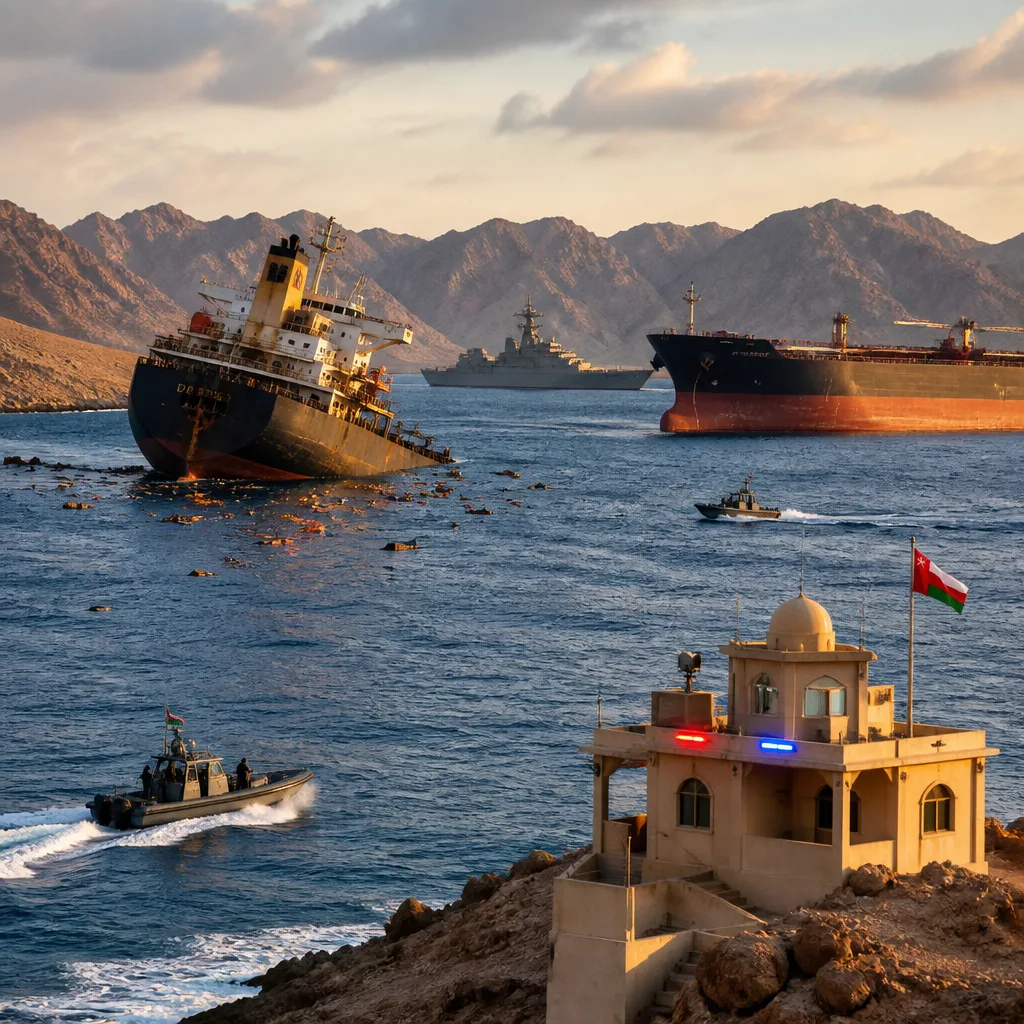
Iran has signalled it will not permit normal navigation through the Strait of Hormuz until the United States alters what Tehran describes as hostile policies and meets a set of conditions, officials said, as the Gulf’s tense negotiations over the strategically vital waterway remained unresolved.
Demands and the diplomatic backdrop
The statement, published by Iran’s state broadcaster and attributed to the country’s supreme national security council, spelled out a series of prerequisites for reopening the strait. The council’s secretary, Mohammad Bagher Zolghadr — who also serves as a commander in the Islamic Revolutionary Guard Corps (IRGC) — framed the conditions as non‑negotiable.
"The US must never threaten Iran again,"
The same communiqué called on Washington to take a suite of actions, including:
- ending what Tehran described as its war with Iran and allied forces in the region;
- lifting a naval blockade of Iranian ports and withdrawing US forces from the area;
- lifting sanctions and releasing frozen assets;
- providing full compensation to Iran for wartime damage.
There was no immediate response from the United States. Washington has been pushing for an acceptable arrangement over transit through Hormuz as a precursor to lifting the blockade it imposed on Iranian ports.
Negotiations, interim deal and outstanding issues
The new demands come amid ongoing diplomacy following an interim agreement reached in June. That framework envisaged that a timetable for ending sanctions, compensation arrangements and the handling of frozen assets would form part of a final settlement. Iranian foreign minister Abbas Araghchi said negotiators were close to agreeing on navigation matters, naming the specific task of determining a transit route, but he said reopening the waterway remained contingent on other conditions and blamed the current impasse on what Tehran deemed violations of the interim accord.
Oman, which has taken on the role of mediator and has made relatively few public comments, described the talks as continuing in a "positive and constructive atmosphere" and publicly condemned attacks on shipping in the strait.
Escalation at sea
The diplomatic standoff has taken place against a backdrop of maritime incidents. The United Arab Emirates told officials and media on Saturday that an Emirati ship had been targeted by an Iranian missile, an allegation that adds urgency to the discussions about safe passage and the security of international shipping lanes.
Iran has in recent months wielded control over movement through the strait by imposing what amounts to an effective blockade and insisting that vessels comply with Tehran’s preferred route. It has also sought to impose charges for passage and has repeatedly attacked ships it says were trying to bypass its route. The United States opposes any Iranian attempt to levy tolls in the strait, although the June interim arrangement provided for Tehran to negotiate the "future administration" of Hormuz alongside other coastal states.
What is at stake
The Strait of Hormuz is one of the world’s most important maritime chokepoints. Any sustained restriction on free navigation there would have far‑reaching consequences for global energy markets and seaborne trade. The negotiations therefore involve not only the immediate parties but also regional neighbours and maritime powers with strategic and economic interests in the Gulf.
| Actor | Position or action |
|---|---|
| Iran (supreme national security council) | Demands US correct behaviour; lists withdrawal, compensation, sanctions relief and asset release among conditions |
| United States | Has demanded an acceptable deal to reopen the strait before ending blockade; no immediate comment to new demands |
| Oman | Mediator; says talks are constructive and condemns attacks on ships |
| UAE | Reported that one of its ships was targeted by an Iranian missile |
The immediate prospects for a resolution remain uncertain. Tehran’s broad and uncompromising list of demands — which extend beyond technical navigation arrangements to encompass political, military and financial redress — raises questions about how quickly an agreement acceptable to all parties can be finalised.
For Britain and other maritime nations, the urgency is practical as much as political: the preservation of unimpeded passage through the Strait of Hormuz is fundamental to the security of energy supplies and the smooth functioning of international trade.