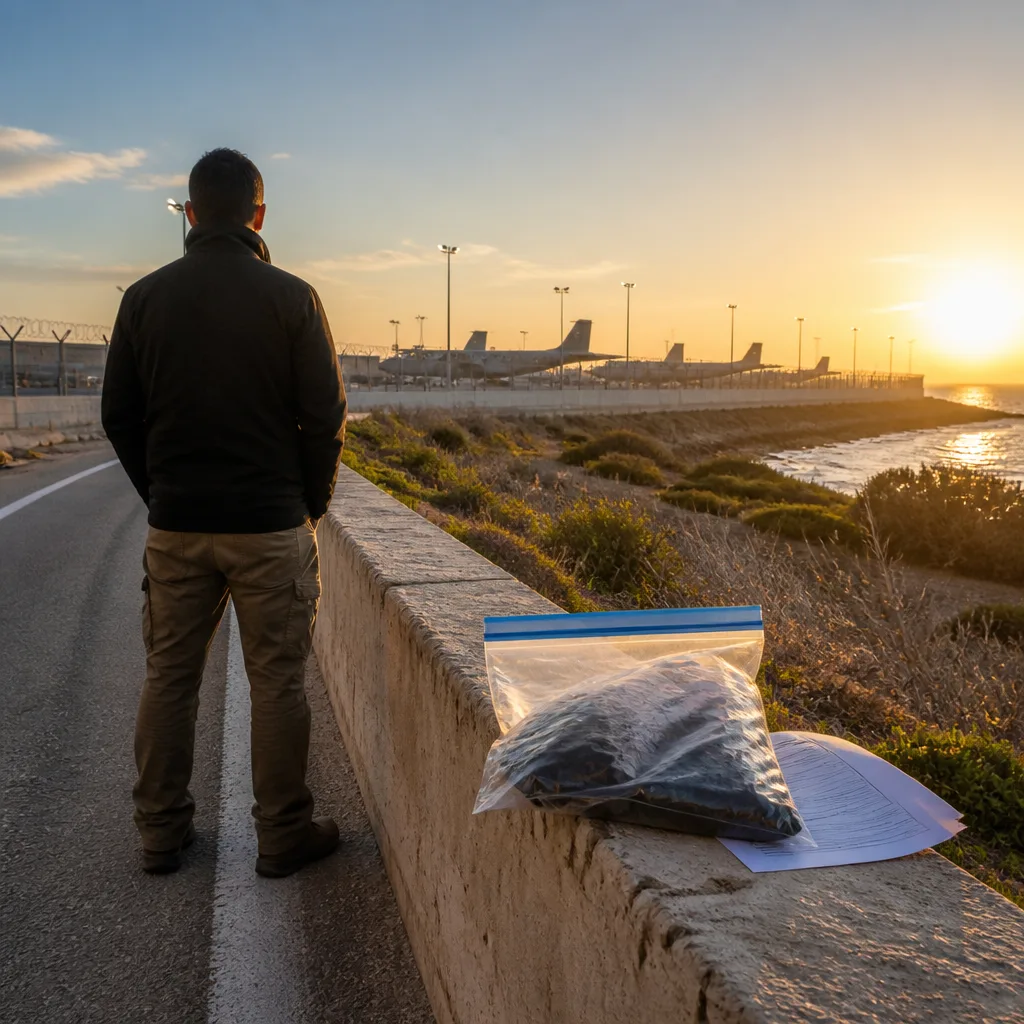
A London resident has been arrested in Cyprus on suspicion of carrying out hostile surveillance of RAF Akrotiri and sharing information with Iran’s Islamic Revolutionary Guard Corps, British police said on Friday.
Arrest, charges and extradition
Metropolitan Police counterterror officers identified the suspect as a 44-year-old man of U.K.-Azerbaijani nationality. He was taken into custody on 17 July in Cyprus and British authorities are now pursuing his extradition to the United Kingdom. Prosecutors have authorised charges under the National Security Act.
The arrest follows an investigation led by counterterror detectives into a series of incidents at RAF Akrotiri that occurred in May and June 2025. Police allege the man conducted surveillance of the base and passed material to members of Iran’s paramilitary Revolutionary Guard.
“This case shows we are able to use the National Security Act overseas when British military bases are allegedly targeted by hostile state activity,”
The comment came from Commander Helen Flanagan of London’s counterterror policing unit, who framed the arrest as part of the UK’s wider effort to counter state-linked threats to its forces and facilities abroad.
Why Akrotiri matters
RAF Akrotiri is the United Kingdom’s primary air base in the eastern Mediterranean and has played a central role in operations over the Middle East. The station has hosted sorties against the Islamic State in Syria and Iraq and has been used in strikes targeting Houthi positions in Yemen.
The base itself has experienced hostile activity in recent times: in March it was struck by a drone that was described as Iranian-made, an incident which occurred amid the wider US–Israeli confrontation with Iran.
Context and implications
The arrest comes after the UK designated Iran’s Islamic Revolutionary Guard Corps as a banned organisation, citing it as a threat to national security. British law enforcement and intelligence figures have warned of a rise in Iran-backed strikes and covert operations across Europe, including attacks aimed at Jewish communities and dissidents of the Iranian regime.
Akrotiri and a second British facility on Cyprus remained under UK control after the island won independence from Britain in 1960, and they continue to provide strategic reach for operations in the region.
- Suspect: 44-year-old U.K.-Azerbaijani man, resident of London
- Arrest date: 17 July (in Cyprus)
- Investigation timeframe: incidents in May and June 2025
- Legal framework: Charges authorised under the National Security Act; extradition sought
| Item | Detail |
|---|---|
| Base targeted | RAF Akrotiri (eastern Mediterranean) |
| Alleged recipient | Islamic Revolutionary Guard Corps (Iran) |
| Relevant months | May–June 2025 (investigated incidents); March (drone strike) |
The Metropolitan Police statement did not disclose detailed evidence linking the suspect to the Revolutionary Guard, nor did it provide specifics about the material purportedly shared. Cyprus authorities carried out the arrest in cooperation with British investigators.
Security analysts note that allegations of state-linked surveillance of military facilities can prompt both legal and diplomatic responses. The use of the National Security Act in an overseas context underscores that UK investigators are prepared to rely on expanded powers when they believe service personnel or bases are being targeted by hostile state actors.
Separately, ministers in London have taken a tougher stance towards Tehran in recent weeks by proscribing the Revolutionary Guard, a move that increases the range of criminal offences associated with support for the organisation and signals heightened concern about its activities abroad.
Further legal steps will depend on the outcome of extradition proceedings and any criminal charges presented by UK prosecutors once the suspect is returned to British jurisdiction.