EDF Small Business and energy software specialist Heliotec have launched a four-month trial that will give more than 1,000 eligible small-business customers free access to Heliotec’s AI-driven energy intelligence platform. The scheme targets firms across hospitality, retail and light industry with the aim of translating complex meter data into straightforward, actionable steps to cut unnecessary energy use and costs.
Real‑time recommendations, no hardware
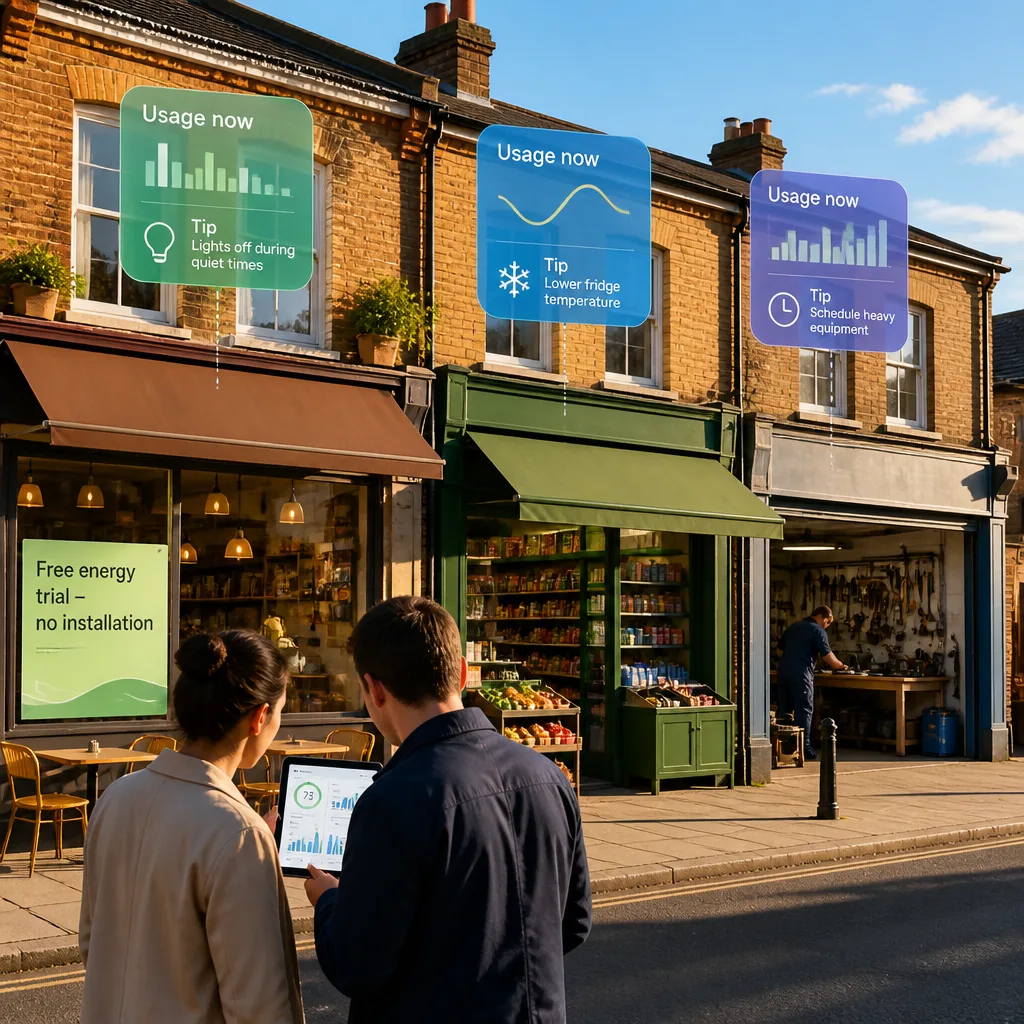
Heliotec’s platform analyses site-level energy data and delivers concise, site-specific recommendations in plain language so businesses can act immediately. The partners stressed that the service requires no hardware installation, enabling companies to adopt the guidance without interrupting day-to-day operations or incurring installation costs.
The proposition is pitched as a practical response to rising energy bills and a more complex energy market, where small firms often lack the time, expertise or capital to pursue energy-efficiency measures. By automating analysis and offering targeted suggestions, the trial seeks to reduce the time and effort needed to improve energy performance.
Who is included and what they get
- Duration: four months
- Scope: more than 1,000 eligible EDF Small Business customers
- Sectors: hospitality, retail and light industry
- Requirement: no extra hardware or disruptive installation
The partners say the platform’s recommendations are presented in practical language so business owners and managers can take immediate action — from adjusting operational schedules to identifying inefficient equipment or processes.
Why this matters for small firms
Small businesses have been among the most exposed to volatility in wholesale energy prices and to rising operating costs more broadly. While larger firms can typically invest in retrofits, on-site generation or dedicated energy teams, smaller operators often struggle to justify upfront spending or to decode complex consumption data.
The EDF–Heliotec trial addresses this gap by offering analysis and guidance as a service. If successful, the model could let small firms reap efficiency gains without capital outlay, and could provide energy suppliers with a scalable way to support vulnerable customer segments.
| Feature | Detail |
|---|---|
| Trial length | 4 months |
| Participants | Over 1,000 EDF Small Business customers |
| Sectors targeted | Hospitality, retail, light industry |
| Installation | No hardware required |
For EDF, the partnership offers a way to deepen engagement with its small-business base and to demonstrate practical support as firms face tighter margins. For Heliotec, the deal provides access to a substantial customer cohort and an opportunity to validate its AI algorithms at scale in live commercial settings.
Possible wider implications
If the trial shows measurable reductions in consumption or cost, the model could be rolled out more widely by energy suppliers or adopted by third-party advisers. Digital, software-led solutions that require no on-site hardware are particularly attractive for small businesses because they minimise disruption and upfront cost.
That said, the extent of potential savings will depend on the quality of site-level data, the accuracy of the platform’s recommendations, and the willingness of business owners to implement changes. The trial will be watched closely by industry observers as an indicator of whether AI-driven energy services can be a cost‑effective route to efficiency for smaller enterprises.
Data protection and customer consent for use of meter data will also be elements to monitor as the trial progresses, though the partners have emphasised the non-intrusive nature of the service.
The four-month programme represents a pragmatic, software-led attempt to give small firms accessible tools to tackle energy waste — a persistent drag on profitability as costs and complexity in the energy market remain elevated.