BP has launched a sale process for its UK North Sea business as the group seeks to concentrate capital on its highest‑value opportunities and shrink parts of its portfolio. The move marks a major shift for a company that has operated in UK waters for more than six decades and will have immediate implications for production, jobs and the political debate over future North Sea projects.
What BP says and what is being sold
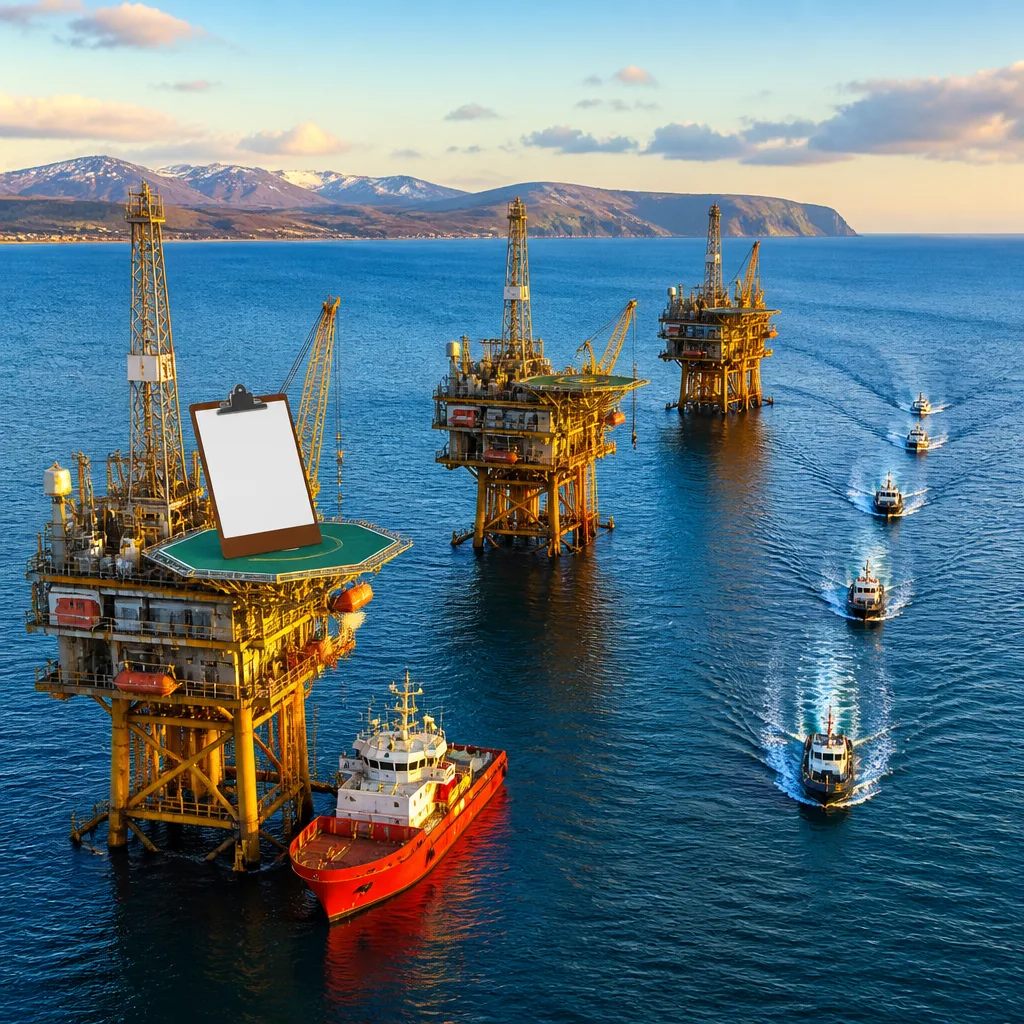
BP's chief executive, Meg O’Neill, said the company believes the North Sea operation would be "better positioned as part of another company" as it directs capital to other opportunities. The business comprises five production hubs — two in the central North Sea and three west of Shetland — and produced 117,000 barrels of oil equivalent per day in 2025.
"The North Sea remains integral to the UK’s energy system. However, as we focus our portfolio and direct capital to our highest‑value opportunities, we believe our North Sea business will be better positioned as part of another company. It has world‑class people, resilient assets and a proud heritage, and it is precisely these qualities that can attract an owner ready to back its next chapter. We are seeking an outcome that recognises that value."
The unit employs about 1,100 staff, out of BP's roughly 13,960‑strong UK workforce, according to figures provided by the company. BP signalled it is looking for a buyer who will commit to the next phase of operations for the assets.
Political reaction and licence controversy
The sale has already provoked a sharp political response. The Conservatives seized on the announcement to criticise Labour policy on oil and gas licences, saying the party's approach to net‑zero had prompted the move.
Andrew Bowie, the shadow energy minister, called on the new prime minister to approve the Jackdaw and Rosebank developments and to abandon plans to stop issuing new licences in the North Sea. The Jackdaw gasfield is east of Aberdeen and Rosebank’s oilfield lies west of Shetland; both projects are subject to ongoing consultations.
Market and operational context
BP's decision follows a period in which major oil companies have reworked portfolios and reduced exposure to assets that do not fit their strategic priorities. For BP, the North Sea package is described internally as having resilient assets and experienced staff, but the firm judged those assets would attract greater backing and fresh investment under a different owner.
- Production: 117,000 barrels of oil equivalent per day in 2025.
- Staff: c.1,100 employees in the North Sea business.
- UK workforce: c.13,960 employees across BP’s UK operations.
| Item | Figure |
|---|---|
| North Sea production (2025) | 117,000 boe/d |
| Employees in North Sea business | 1,100 |
| Total UK workforce (BP) | 13,960 |
BP has framed the move as part of routine portfolio management: focusing on areas delivering the highest value and directing capital accordingly. It emphasised the continued importance of the North Sea to the UK energy mix even as it seeks to reduce its direct ownership.
Immediate consequences and next steps
The sale process is likely to prompt scrutiny from potential buyers, unions and regulators, and will feed into wider debates over industrial strategy and energy security. For communities and workers in Aberdeen and west of Shetland, the outcome will hinge on which types of investor are interested and what commitments they offer for operations, jobs and investment.
On the policy front, the announcement returns attention to the status of projects such as Jackdaw and Rosebank and to the government's stance on future licensing. Any change of ownership will also be watched for signals about the pace and nature of decommissioning, local supply‑chain activity and the transition strategies new owners might pursue.
BP said it was seeking an outcome that recognises the value of the business; beyond that, the timetable and potential buyers were not disclosed at the time of the announcement.