The UK has been placed on heightened alert as public health authorities upgraded heat-health warnings to amber for several English regions ahead of a fourth heatwave this summer. Forecasters predict temperatures will climb sharply this week, bringing increased strain on health and emergency services and amplifying the effects of prolonged dry conditions.
Scope of the alert and expected temperatures
The amber warnings apply to parts of the East Midlands, East of England, South East and London. Temperatures are expected to reach around 29–30°C across the South East on Tuesday, with the possibility of a high of about 35°C in south-eastern England during Wednesday. The elevated alert period runs from Wednesday 29 July until Thursday 30 July.
| Region | Forecast peak |
|---|---|
| South East | 29–30°C (Tuesday) |
| South-eastern England | ~35°C (Wednesday) |
Why this matters for health and services
Authorities warn that prolonged high temperatures will raise the risk of heat-related illness, particularly among older people and those with pre-existing medical conditions, though younger people will not be entirely immune. Health services should prepare for greater demand: hospitals, general practice and care homes may face extra pressure, and there is an elevated likelihood of increased illness and, in the most severe cases, death linked to heat exposure.
Concerns extend beyond patients. The combination of soaring indoor temperatures in some care settings, potential problems with medicine storage, staffing shortages and higher energy demand could compound the challenge of maintaining safe care. Transport disruption and a rise in water-related incidents, such as drownings and cold-water shock, are additional risks flagged by authorities.
Context: drought, hosepipe bans and wildfire risk
The heatwave arrives against a backdrop of unusually dry weather this month. Southern England has received only about 1% of its typical July rainfall and national average temperatures have been roughly 3°C above normal. These conditions have already prompted a drought declaration in Wales and widespread temporary water-use restrictions affecting some 23 million customers.
Dry vegetation and high temperatures also raise the probability of severe wildfires, particularly in the capital and the south and east of England, adding further strain to emergency responders.
Practical advice and immediate implications
The public health message is precautionary: individuals and organisations should take steps to reduce heat exposure and prepare for service disruptions. Key actions include:
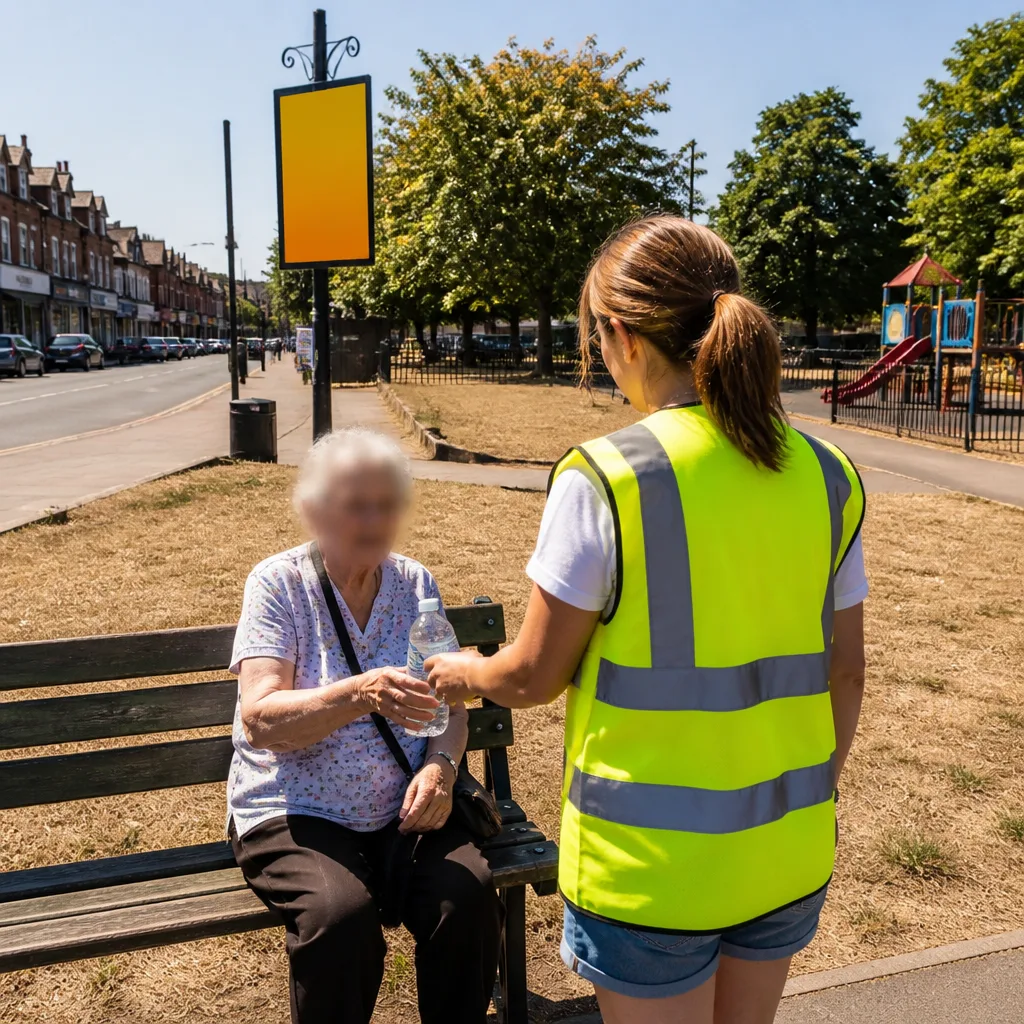
- Checking on older neighbours, friends and relatives and ensuring they have cool, well-ventilated spaces and sufficient fluids.
- Reviewing medicine storage guidance — some medications can be rendered less effective if stored above recommended temperatures.
- Avoiding strenuous activity during the hottest parts of the day and taking measures to prevent sunburn and dehydration.
- Following local advice on water use and observing any hosepipe bans or restrictions to conserve supplies.
Public services and care providers are being urged to review contingency plans, including staffing, cooling arrangements and arrangements for vulnerable service users who live independently. Transport operators and event organisers should also consider the potential for heat-related disruption.
With warm, dry weather expected to continue in the short term, the combination of heat, limited water availability and heightened fire risk presents a multifaceted challenge. Residents and services across the affected regions are being asked to stay alert and follow official guidance as conditions evolve.