The 2026 FIFA World Cup proved an uncomfortable tournament for many South American nations, but amid collective underperformance a handful of players enhanced their standing on the global stage.
Continental context: a worrying World Cup for South America
As one observer put it, this was "a worrying FIFA World Cup for South America". For the first time a CONMEBOL side failed to lift a World Cup staged in North America, and the continent’s progress through the tournament often rested on resilience rather than consistent superiority in play. Ageing squads, with the notable exception of Ecuador, were a recurring theme, indicating that several nations face a period of rebuilding on the road to 2030.
Yet even tournaments that disappoint collectively can reveal individuals whose stock rises sharply. Below are the South American players singled out for enhanced reputations during the competition.
- Orlando Gill — Goalkeeper, Paraguay (aged 26)
- Matías Galarza — Midfielder, Paraguay
Orlando Gill: late developer turned headline act
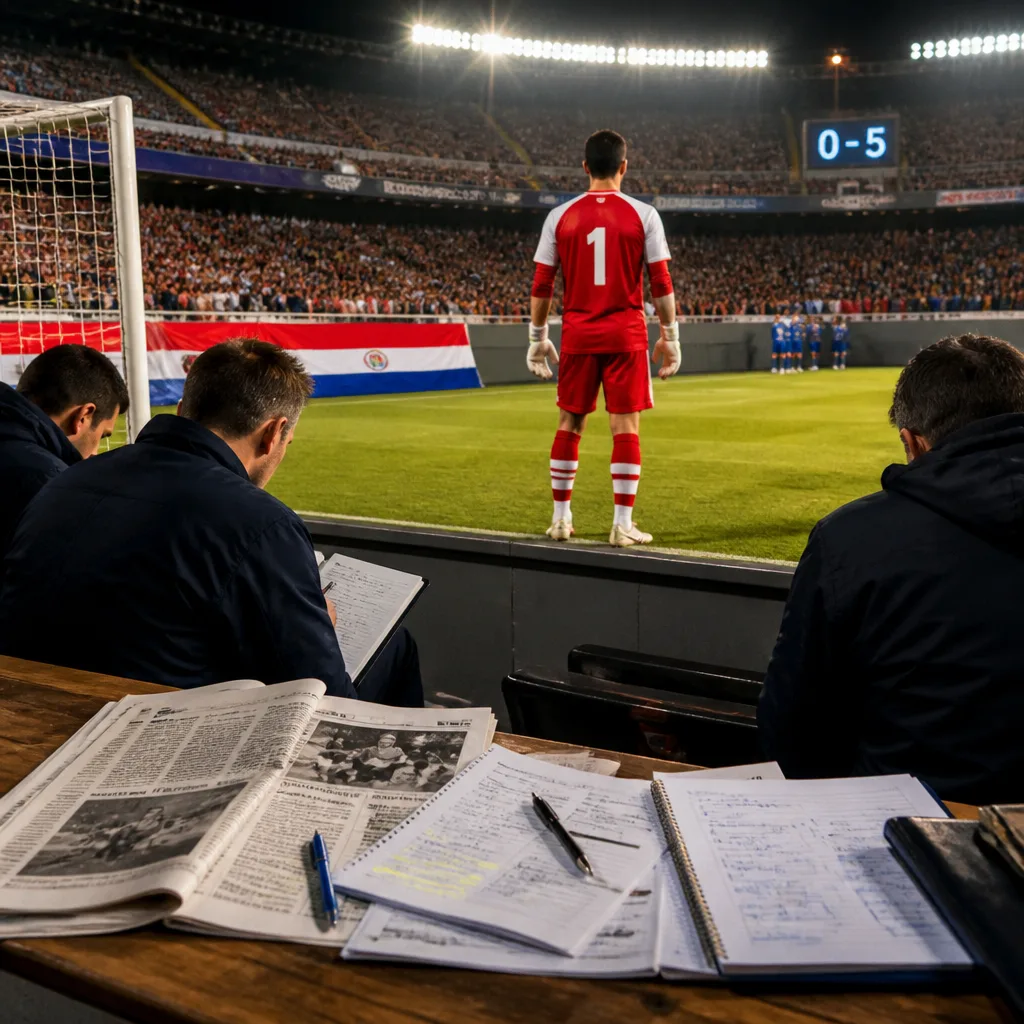
Perhaps the clearest case of a player whose value was transformed by his World Cup performances is Paraguay’s goalkeeper Orlando Gill. A 26-year-old who only emerged in contention at the tail end of qualification, Gill’s place in the starting XI was uncertain until the eve of the tournament. His debut match proved testing: he conceded four times as Paraguay lost 4-1 to the United States. Those goals, according to the assessment, were not a reflection of his abilities.
After that difficult start Gill conceded just twice across the next four matches, one of those from the penalty spot, and produced a decisive display against Turkey. The tournament highlighted several facets of his game: shot-stopping when the defence was breached; an ability to contribute to Paraguay’s passing and transition play; and an unexpected goal threat from distance through powerful shooting. Such attributes mark him out as a contemporary, commanding presence between the posts.
Club history provides an intriguing footnote: Gill began his career at a Paraguayan club called San Lorenzo before moving to a different, larger club with the same name in Argentina. His performances last year — prior to the World Cup — were an important factor in earning national selection.
Transfer rumours are already circulating in the wake of his displays, but evaluators will note limitations as well. Critics point to occasional clumsiness off his line and relative weakness with the ball at his feet, traits that might restrict his suitability for teams who defend with a high line and demand goalkeeper distribution as a primary attribute.
Matías Galarza and the midfield cohort
Another Paraguayan highlighted was midfielder Matías Galarza. The reporting points to his emergence as one of the players whose performances attracted attention, though the dossier on him in the source is more fragmentary than the account of Gill. Galarza’s inclusion fits a wider pattern: national sides whose structures have depended on experienced cores are nevertheless finding room for relatively younger figures to stake claims.
| Player | Position | Country | Notable detail |
|---|---|---|---|
| Orlando Gill | Goalkeeper | Paraguay | Aged 26; late developer; strong shot-stopping; distribution concerns |
| Matías Galarza | Midfielder | Paraguay | Recorded as an emerging talent during the tournament |
What this means for clubs and nations
The modest list of breakout names underlines two interlinked realities. First, the continent’s downturn at this World Cup elevates the significance of individual performances: players such as Gill can set transfer markets alight precisely because the pool of collective success stories was limited. Second, the age profile of many sides suggests strategic choices at national level — whether to accelerate the integration of youth or to persist with experienced cores — will dominate planning in the run-up to 2030.
For British and European clubs tracking South American talent, the tournament offered both opportunity and caution. Goalkeepers with commanding physical presence and penalty resilience attract interest, but modern recruitment will probe distribution and suitability for high defensive lines. Midfielders like Galarza will be assessed for how their game can be adapted to different tactical environments.
"This was a worrying FIFA World Cup for South America."
That summation captures the tournament’s dual narrative: continental concern about collective trajectories and the smaller, sharper stories of players whose reputations have advanced — carrying implications for transfers, squad planning and the way national teams rebuild in the years ahead.