Council funds study into Very Light Rail to join town centre rail hub
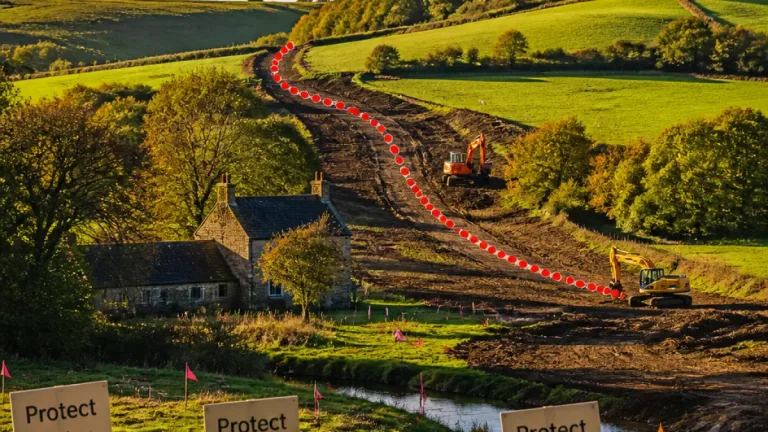
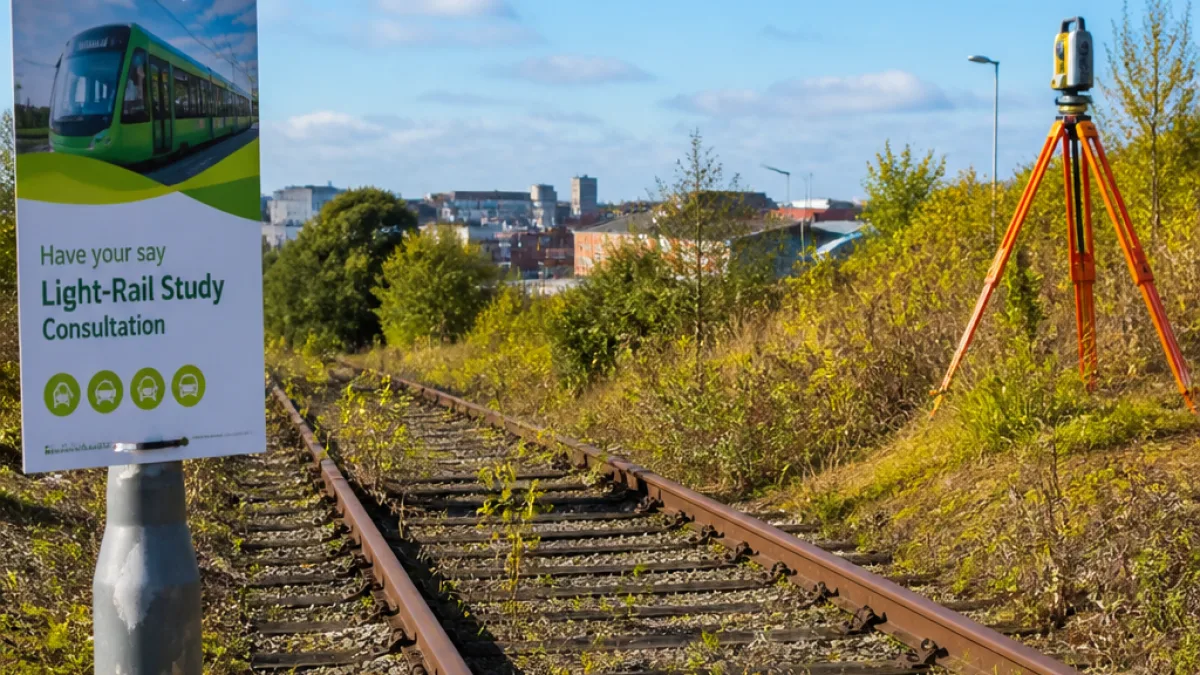
Telford & Wrekin Council has moved a step closer to exploring a new rail connection into Telford Central after allocating £150,000 for an early-stage feasibility study. The work will examine whether a Very Light Rail (VLR) service could be introduced using around four miles of disused heavy rail line to link the Shrewsbury–Wolverhampton route with the Ironbridge line.
Council papers make clear the proposal remains at an exploratory stage, but local leaders and transport organisations are treating it as a potential opportunity to improve orbital and town-centre connectivity. If the scheme progresses through planning, engineering and funding stages, supporters suggest services could be in operation by 2030.
“This early-stage feasibility study project presents an exciting opportunity to design a potential new rail link between the Shrewsbury–Wolverhampton rail line and the Ironbridge line, to allow Very Light Rail services to reach Telford Central railway station.”
The scheme would reuse previously built trackbed rather than creating a wholly new alignment. The authority will use the study to identify possible station locations and to assess technical, environmental and commercial viability. Ironbridge-based operator Revolution VLR is already in a lease arrangement with Network Rail to operate VLR services, a factor that the council notes in its considerations.
What the study will look at
- Technical feasibility of running VLR vehicles on the disused heavy line.
- Potential station locations and how they would connect with Telford Central.
- Environmental and planning constraints along the route.
- Cost estimates and funding options, including operational models.
Council officials say the study is an early but necessary step to determine whether the concept can be developed into a deliverable transport project. The work also forms part of a wider review: the council is consulting on a new transport policy for the borough, and the light rail proposal is referenced within that consultation. Residents and stakeholders can respond to the consultation until 27 September, with documents and a survey available on the council website.
Local context and potential consequences
Telford grew rapidly in the latter half of the 20th century as a new town built around industrial and service-sector employment. Its dispersed layout — with multiple town centres and large residential areas — means that transport connections between neighbourhoods and to the central rail station are important for daily life. Proponents of the VLR concept argue it could offer a low-cost, lower-impact alternative to heavier rail options, improving access to jobs, education and town-centre amenities without the expense of full heavy-rail reinstatement.
However, the study must address practical questions: the condition of the disused trackbed, the suitability of any bridges or embankments, how VLR vehicles would be integrated with existing rail operations where alignments meet, and whether projected passenger numbers would support construction and operation costs. Any proposal must also satisfy environmental and planning regulations and secure funding beyond the council’s study budget.
Timescale and the road ahead
The council has not committed to construction funding and stresses the current allocation is for an early study only. If the feasibility work is positive, further stages would include detailed design, business case development, statutory approvals and funding agreements, each of which takes time.
For reference, the key headline figures from the council announcement are set out below.
| Item | Detail |
|---|---|
| Feasibility funding | £150,000 |
| Feasibility focus | Very Light Rail using around four miles of disused heavy line |
| Target operational year | 2030 (indicative) |
| Consultation deadline | 27 September |
Transport innovations such as VLR are being trialled or proposed in other parts of the UK as authorities seek more affordable, flexible rail solutions. In Telford, where growth and regeneration remain priorities, the council says it is supportive of investigating options that could reduce car dependency and knit the town more tightly together.
For residents, the immediate next step is the public consultation. Its responses will help shape how the council progresses the feasibility work and whether this concept moves closer to reality. As the study begins, the council and its partners will need to show that any proposed line offers robust value, local benefit and environmental acceptability before plans can advance beyond the drawing board.
The coming months will reveal whether the VLR proposition can translate from innovation into a practical piece of Telford’s transport future.