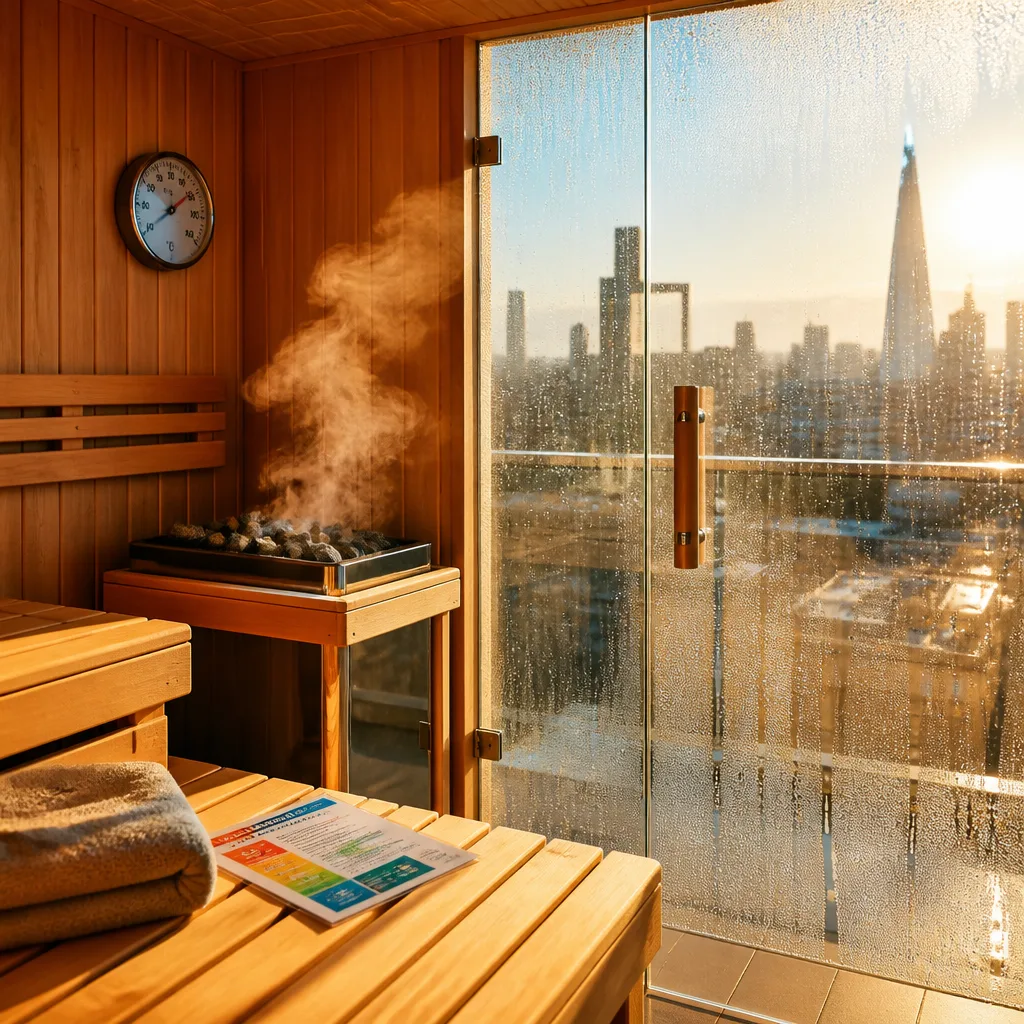
Regular exposure to high temperatures through activities such as sauna bathing or hot water immersion can prompt the body to adapt in ways that reduce heat strain, researchers say, prompting debate over whether controlled ‘heat training’ could help people better tolerate heatwaves. The discussion comes as the UK Health Security Agency has issued heat health alerts across much of England amid the country’s fourth heatwave of the year and after western Europe recorded its hottest June on record.
Evidence for physiological heat adaptation
Scientists working in sports physiology and environmental medicine note that repeated, controlled heat exposure provokes a set of predictable physiological changes. These adjustments — documented in athlete preparation and emerging sauna research — include more efficient sweating, improved blood flow to the skin, an increase in circulating plasma volume and a reduction in cardiovascular strain when the body is subsequently exposed to heat.
| Adaptation | Effect |
|---|---|
| Earlier, more efficient sweating | Improves evaporative cooling and helps regulate body temperature |
| Improved skin blood flow | Enables heat dissipation through the skin |
| Plasma volume expansion | Reduces cardiovascular strain by supporting circulation |
| Lower cardiovascular response | Decreases heart rate and perceived exertion during heat exposure |
Prof Jari Laukkanen, a cardiologist at the University of Eastern Finland who has led research on sauna health effects, said these changes are familiar from athletic preparation. He suggested passive heat exposure — for example in a traditional sauna or by immersion in hot water — can produce similar adaptations to those induced by exercise-based heat training.
“Indeed, quite similar physiological adaptations may also occur with passive heat exposure, such as sauna bathing and hot water immersion.”
Practical uptake and caution
Community sauna operators in the UK report mixed responses when temperatures rise. Nicola Pegues, head of operations at the not‑for‑profit Community Sauna Baths, said early in heat spells bookings fell but have since recovered at their outdoor sites, which combine saunas with cold plunges and allow patrons to alternate between hot and cold.
Experts stress that while habitual, supervised heat exposure may build tolerance for some people, there are important caveats. Heat training protocols used with athletes are structured and monitored; applying the same approach to the general public without guidance risks harm, particularly for people with underlying cardiovascular disease, older adults, infants and those on certain medications.
- Public health warnings: UKHSA heat alerts span much of England during successive heatwaves.
- Who should be cautious: older people, those with heart conditions, very young children and people on medications that impair temperature regulation.
- Controlled settings: experts recommend gradual exposure, hydration and monitoring rather than prolonged, unsupervised overheating.
Dr Jessica Mee of the University of Worcester is recruiting volunteers for a study examining whether regular hot water immersion changes physiological responses and behavioural patterns in heat. She noted that people who are accustomed to heat tend to alter how they behave in high temperatures — pacing activity and maintaining hydration more consistently — which may also reduce risk during heatwaves.
Those studying heat adaptation emphasise that any potential protective effect from repeated sauna use does not replace established public health measures. Cooling strategies, access to shaded or air‑conditioned spaces, staying hydrated and checking on vulnerable neighbours remain primary interventions during heat alerts.
While growing evidence suggests structured heat exposure can produce measurable physiological benefits, researchers and public health agencies urge that wider promotion should await further controlled trials and clear guidance on safe practice for the general population.