Padel’s rapid rise in Britain has been striking: once a fringe activity, it now draws celebrities, elite investment and mass participation. But the sport’s expansion has prompted a fresh debate — while courts proliferate in cities and suburbs, soaring prices at high‑end sites are renewing concerns that padel could become an expensive preserve rather than an inclusive community sport.
Growth, glamour and a growing price tag
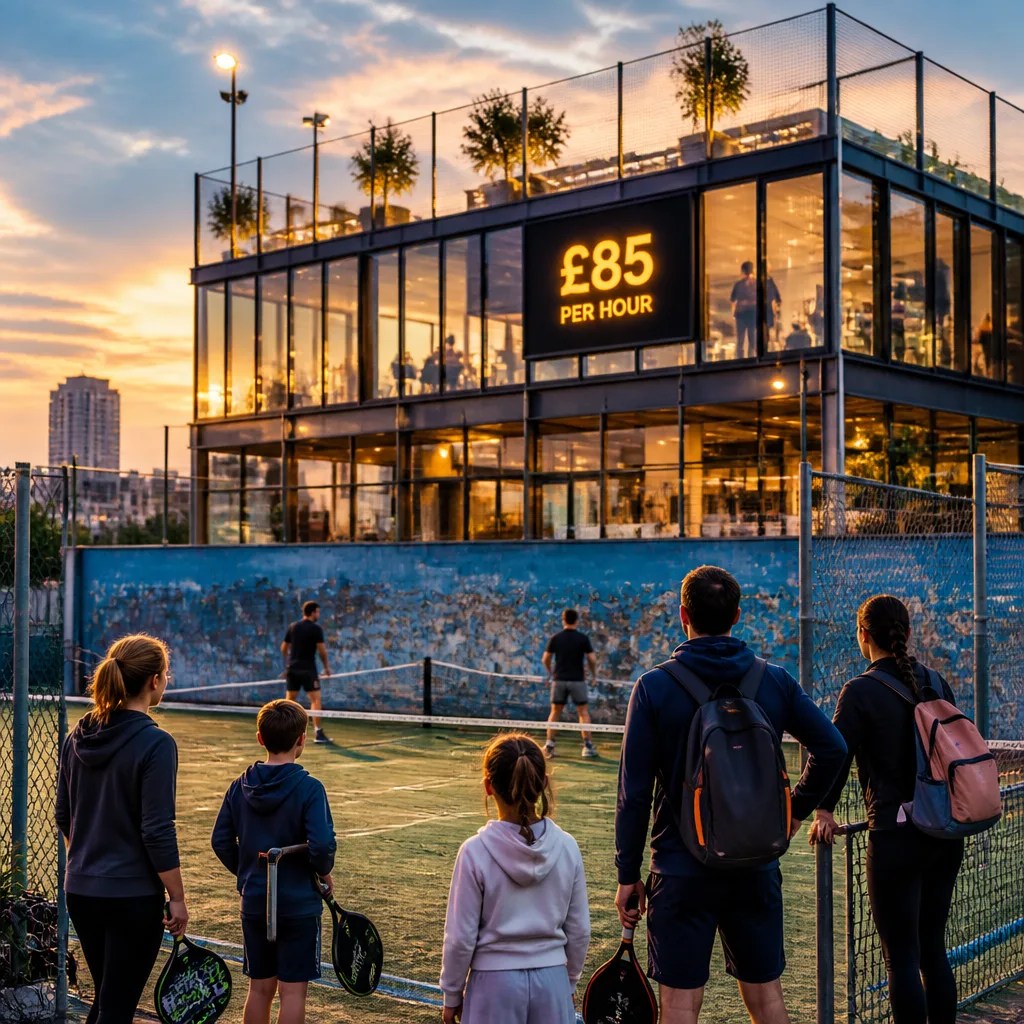
Clubs and commercial operators have raced to capitalise on demand, installing courts in converted warehouses, on rooftops and within private health clubs. The result is a landscape where top sites sit alongside community facilities, but charge markedly different rates for court time.
Industry figures point to around one million regular players in Britain. The sport’s mainstream profile has been aided by a steady line of high‑profile supporters and investors. The country will host the Premier Padel P1 tournament this week, bringing many of the world’s best players to London for an event with a £410,000 prize fund — a clear signal of padel’s rising status on the international stage.
“I like that it’s fast‑paced. It’s less about power and more about placement”
— Andy Murray
Who is paying and what does it cost?
While many new venues open in accessible locations, a significant share of investment is flowing into premium sites — corporate plazas, upmarket leisure clubs and Canary Wharf‑style developments — where operators can command higher charges. That has pushed the average price in the capital upwards; the reported London average of £47 an hour translates to roughly £12 per player when four people share a court.
Critics argue such pricing risks creating an image of padel as a pursuit for wealthier urban professionals, rather than a sport accessible to families and community players. Some commentators and social media users have already lampooned the notion of padel as a pastime favoured by affluent amateurs.
| Metric | Value / Note |
|---|---|
| Estimated regular players in Britain | 1,000,000 |
| London average court price | £47 per hour |
| Approx. cost per player (four sharing) | £12 |
| Premier Padel P1 prize fund | £410,000 |
| Canary Wharf | Prices cited as among the highest in Europe |
Access, investment and the future of the sport
Operators defending higher prices point to the costs of building and running courts in dense urban locations, including rent, maintenance and lighting, plus the premium customers expect in club environments. For private investors and landlords, padel can be a lucrative addition to mixed‑use developments and leisure portfolios.
But community groups, local authorities and some players warn the sport’s expansion could entrench inequality if affordable options do not grow in step with premium venues. The concern is not only economic: padel’s early international reputation was of an accessible, social game that could be played by a wide age range. If that reputation shifts, grassroots development and school programmes may struggle to keep pace.
- Padel is played in doubles on an enclosed court with glass walls, creating fast, tactical rallies.
- Celebrity backing and elite events have raised the sport’s profile and commercial appeal.
- Rising prices in premium urban locations risk making padel less affordable to many players.
For policymakers and sporting bodies the challenge is clear: encourage investment to meet demand while ensuring that public and community facilities remain available and affordable. Otherwise the distinctive social character that has fuelled padel’s rapid spread may be lost to a market driven by exclusivity and premium leisure models.
As the Premier Padel tour arrives in London this week, the sport faces a pivotal moment — one that will determine whether padel in Britain becomes a widely shared pastime or an increasingly costly hobby reserved for those who can pay for prime court time.