John Halsall has assumed leadership of South East Water, telling customers he faces a “huge challenge” to restore reliable supplies and rebuild public trust after years of service failures and regulatory censure.
Leadership change amid regulatory pressure
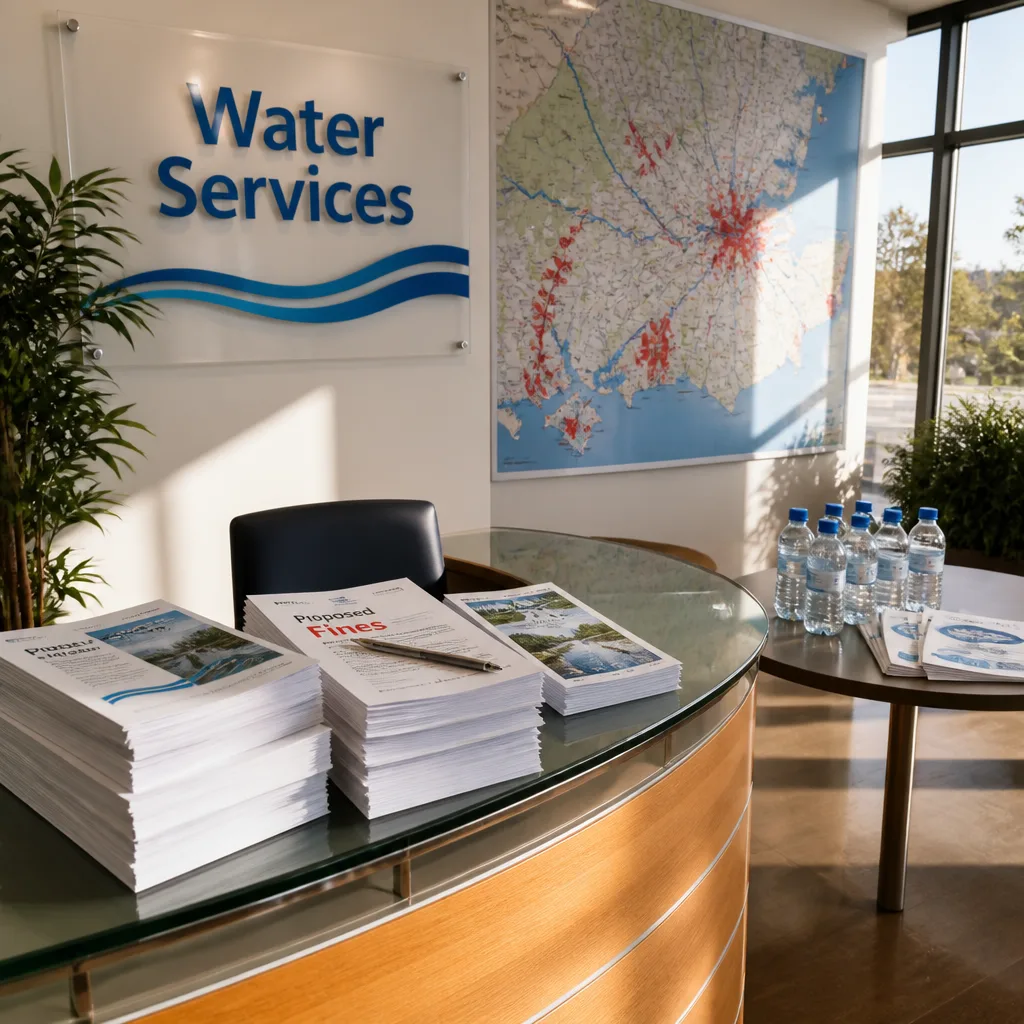
The new chief executive arrives as the company remains under intense scrutiny from industry regulator Ofwat, which has ordered the business to invest a further £30.5m to address problems that left thousands without water in Kent and Sussex. Ofwat has also proposed a separate fine of £22m relating to incidents that affected more than a quarter of a million people between 2020 and 2023.
Halsall, who succeeded David Hinton following his resignation in May, acknowledged failures in the company’s delivery to customers and set out a short list of priorities: keep taps running, improve emergency responses and restore transparency in communications.
“Our job is to deliver water to our customers 24/7, 365 and we're not doing that, for which I'm sorry.”
Track record and targets
Halsall brings engineering and operational experience, having previously been chief operating officer at South West Water. That tenure ended after the 2024 cryptosporidium outbreak in Brixham, Devon — an episode that affected thousands and will be part of the scrutiny of his record as he seeks to turn round South East Water.
He told the BBC the immediate task was to ensure household supplies were uninterrupted and that the company’s emergency responses were dependable. He said customers running out of bottled water at distribution points and vulnerable households missing deliveries was unacceptable.
Halsall also pledged to rebuild relationships with communities and to temper expectations where necessary, arguing the company must be more open and honest about what it can deliver and when.
Money, debt and investment
South East Water faces significant financial constraints. Its annual report shows net debt of £1.3bn, even as Halsall commits to delivering what the company describes as its largest ever investment programme — a planned £2.1bn spend intended to improve reliability and resilience over the coming years.
The scale of that programme will be watched closely by regulators and customers alike, who will judge whether the money translates into fewer outages, faster restoration when incidents occur and better customer service.
| Item | Value |
|---|---|
| Ofwat-ordered improvements | £30.5m |
| Proposed Ofwat fine | £22m |
| Company debt | £1.3bn |
| Proposed investment programme | £2.1bn |
Consequences and scrutiny
Ofwat’s proposed penalty and required remedial spending underline the seriousness with which regulators view the company’s failures. The proposed fine — if imposed — would add to the financial pressure on a business already carrying substantial debt.
Beyond the balance sheet, the practical consequences for customers have been acute: repeated supply interruptions in Kent and Sussex have prompted questions over ageing infrastructure, maintenance practices and contingency planning. Restoring confidence will require visible improvements in day‑to‑day reliability and clear, consistent communication when incidents occur.
- Immediate priority: keep household taps flowing without interruption.
- Short term: improve emergency logistics, such as bottled water stations and deliveries to vulnerable people.
- Long term: deliver a multi‑billion pound infrastructure programme to boost resilience.
Halsall described South East Water as “a good business at its heart”, saying staff work hard but the effort has not always translated into customer outcomes. The new boss’s ability to align investment, operational change and clearer customer engagement will determine whether the company can recover its standing with regulators and the public.
Regulatory decisions on the proposed fine and compliance with the improvement order will be key milestones in measuring progress. For now, customers and watchdogs will be watching closely as Halsall sets about what he calls a necessary reset.