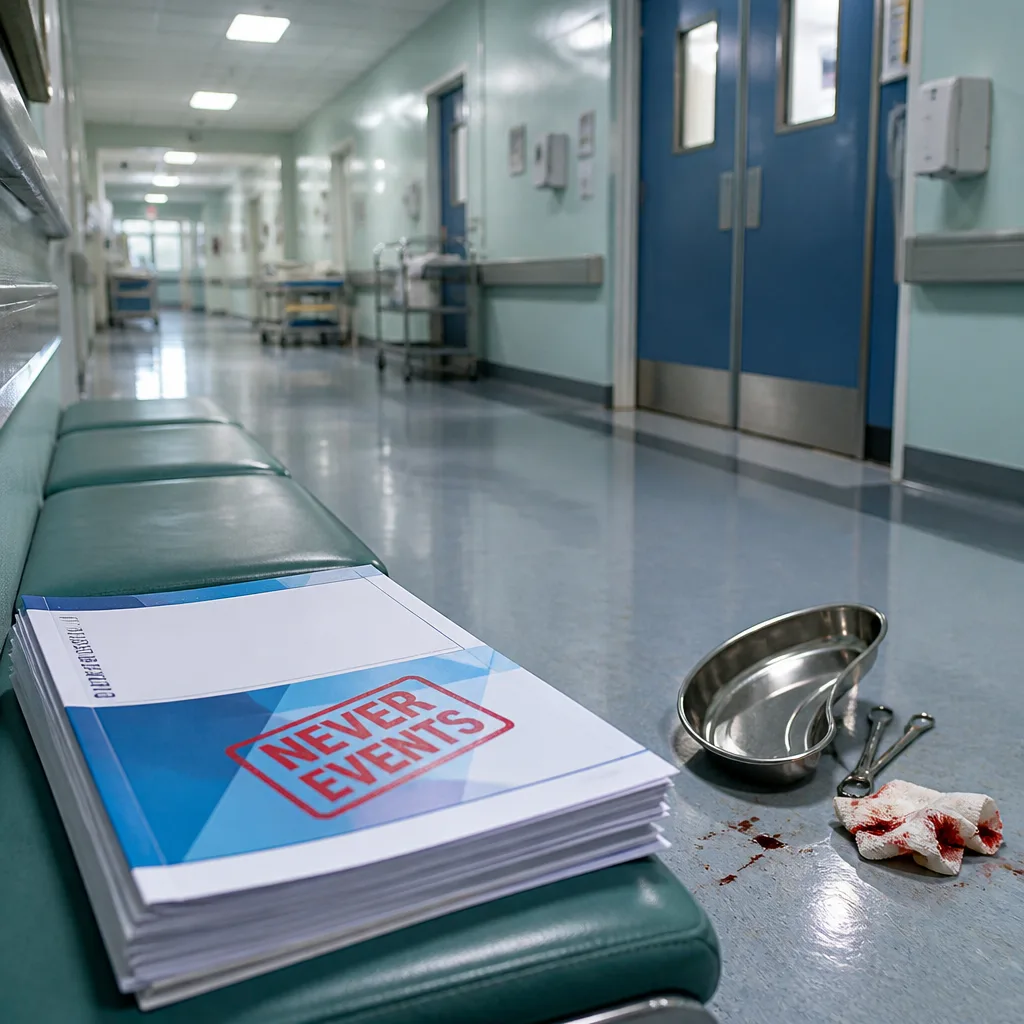
The largest health board in Wales recorded a sharp rise in serious, largely preventable patient safety incidents in 2025-26, logging 11 never events — an increase of six on the year before, according to its annual report.
What the figures show
Never events are a defined set of incidents, such as operating on the wrong part of the body or leaving surgical instruments inside a patient, that should not occur when nationally recommended safety procedures are followed. The Betsi Cadwaladr University Health Board (BCUHB) report makes clear the rise in such events is a major concern for the organisation.
| Health board | Never events recorded (2025-26) |
|---|---|
| Betsi Cadwaladr University Health Board | 11 |
| Health board with second-highest total | 7 |
The report emphasises investigations seek to identify system and process weaknesses rather than attribute individual blame, with the stated goal of generating "meaningful learning" and implementing protective actions while inquiries continue.
"Where required, immediate actions are taken to protect patient safety while investigations are completed," the report says.
Accountability and response
BCUHB was placed in special measures in February 2023 following long-standing concerns over emergency department performance, cancer waiting times and financial management. The board had previously been under targeted intervention earlier in the decade.
Tehmeena Ajmal, the board's chief operating officer, issued an apology to patients and families affected by the incidents and acknowledged public worry about the increase. She told the annual report that the executive team has overseen detailed analyses and will supervise the introduction of improvements.
"We absolutely recognise there will be public concern around last year's increase. I can assure you that I and my colleagues share that concern," the report quotes Ajmal as saying.
Planned improvements and ambition
The board asserts a commitment to strengthening safety systems and learning culture and sets an aim of achieving zero never events in 2026-27 and subsequent years. Its statement indicates immediate remedial actions are taken in response to incidents while reviews are carried out.
Key elements highlighted in the report include:
- Investigation of each never event with focus on organisational systems rather than individual fault.
- Immediate protective measures implemented when necessary.
- An ambition to eliminate never events in the coming year.
While these measures are set out in the report, the rise in recorded never events will draw scrutiny from ministers, regulators and patient safety campaigners. Never events attract particular attention because they are, by definition, preventable when recognised best practice is followed.
Wider implications
The increase in never events at BCUHB sits against a backdrop of ongoing regulatory oversight. Being in special measures places additional expectations on the board to demonstrate rapid, sustained improvement in patient safety and service performance.
Officials and patient safety experts typically urge transparency about findings and robust implementation of recommendations from incident investigations. The approach taken by BCUHB — prioritising system change over individual punishment — aligns with contemporary patient-safety thinking that seeks to reduce recurrence by fixing latent failures in processes and culture.
The annual report is due to be discussed at the board's annual general meeting, where further detail may be provided about actions taken, timelines for improvement and how the board will measure progress towards its target of zero never events.
For patients, families and the public, the core question remains whether the board's commitments will translate into consistent, demonstrable reductions in avoidable harm.