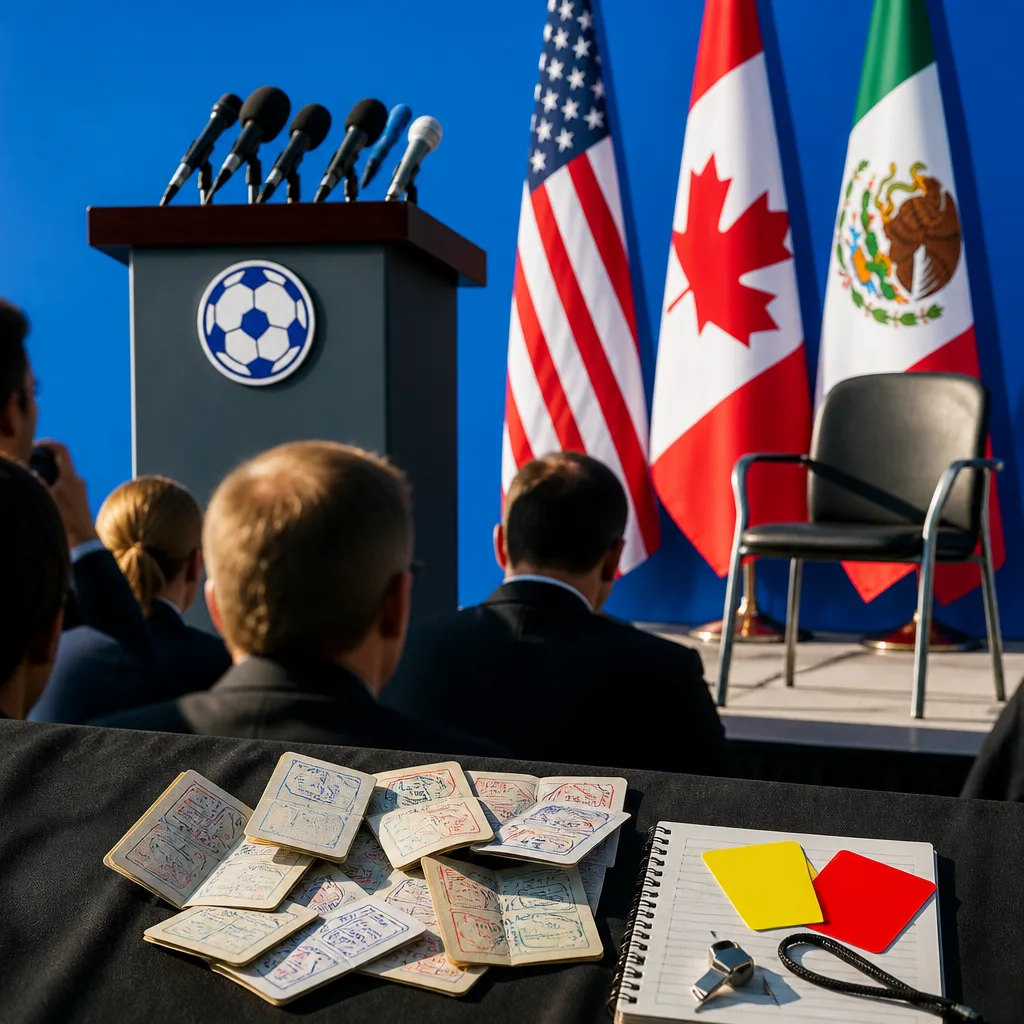
Fifa president Gianni Infantino has mounted a forceful defence of the 2026 World Cup and his organisation’s stewardship, telling detractors they were spreading “hate and false rumours” and urging them instead to "meditate, pray or watch a football match".
Direct rebuttal to critics
In a lengthy public post that was shared on his personal Instagram account and reposted to Fifa’s official channel, Infantino addressed journalists and commentators he said were hiding “behind their pens and papers, behind their screens” as they levelled criticism at the governing body and the tournament staged across the United States, Canada and Mexico.
"You were so consumed by hate and criticism that you missed it all,"
He insisted the event had showcased unity and safety for fans and teams, writing that the tournament experienced "100% safety and security, only joy and happiness" and stressing that Fifa had worked to bring nations together.
Controversies recalled
Infantino’s remarks come after a summer that saw several disputes draw scrutiny. Critics and national coaches complained about travel and visa difficulties for teams, officials and supporters; there were questions over refereeing and disciplinary decisions; and political interventions were reported in high-profile disciplinary cases.
- Visa and access problems: Iran faced delays for players and staff, denials of entry for key backroom figures and a reduction of ticket allocations for its supporters. Their training arrangements were also altered, with the squad forced to move their base from Tucson, Arizona to Tijuana, Mexico.
- Refereeing and discipline: Officiating in Argentina’s victory over Egypt prompted criticism — a theme echoed by other managers and observers — while Fifa’s handling of bans and suspensions drew particular attention.
- Political intervention: The suspension of an automatic one‑match ban for US striker Folarin Balogun followed reported intervention by former US president Donald Trump, a development that attracted further debate over consistency and influence.
Infantino acknowledged that some people were denied visas but urged attention to the larger number of approvals from across the world, arguing that football’s capacity to unite had been demonstrated.
Contrasting accounts, diplomatic frictions
Those comments sit uneasily with public statements from others involved. Iran’s head coach described his team as the "most oppressed" at the tournament, citing the logistical and access barriers encountered. Separately, Somali referee Omar Artan — who held a diplomatic passport and a single‑entry US visa — was prevented from entering the United States because of alleged associations with suspected members of terror organisations, an episode that highlighted inconsistencies in access.
Fans and officials from other nations, including Haiti, Senegal and the Ivory Coast, were also affected by travel restrictions imposed by the US administration in power during the tournament build‑up, underlining how national immigration policies can intersect with global sporting events.
| Issue | Example or effect |
|---|---|
| Visa denials | Iranian staff and some referees denied entry; ticket allocations reduced |
| Training disruptions | Iran moved training base from Tucson to Tijuana |
| Disciplinary consistency | Suspension of automatic ban for US striker after political intervention |
While Infantino framed these incidents as limited and outweighed by the tournament’s success, the catalogue of access, disciplinary and officiating complaints has fed wider debates about governance, impartiality and the degree to which sporting bodies can or should insulate competitions from state policies and political pressure.
Implications for Fifa and future tournaments
The president’s public riposte will do little to close the conversation on how international sport grapples with sovereign immigration controls and political influence. For national governments and football federations, the summer’s events prompt questions about contingency planning, diplomatic engagement before major events, and the transparency of disciplinary procedures.
Infantino’s appeal to celebrate the positives of the tournament — safety, spectator numbers and the staging of matches across three countries — is likely to resonate with supporters and partners who value the commercial and cultural success of the World Cup. Yet for critics and affected delegations, the practical problems experienced by teams, match officials and fans remain a live concern.
How Fifa responds to those criticisms, and whether it introduces fresh measures to prevent repeat problems at future competitions, will shape whether the narrative of the 2026 World Cup is remembered principally for sporting spectacle or for unresolved questions about access and accountability.