The High Court has found that a Home Office policy change removing the right for asylum seekers to have their trafficking claims reheard was unlawful, and has ordered that an individual forcibly returned to France under the government’s “one in one out” scheme be brought back to the UK.
Judge sets aside policy change
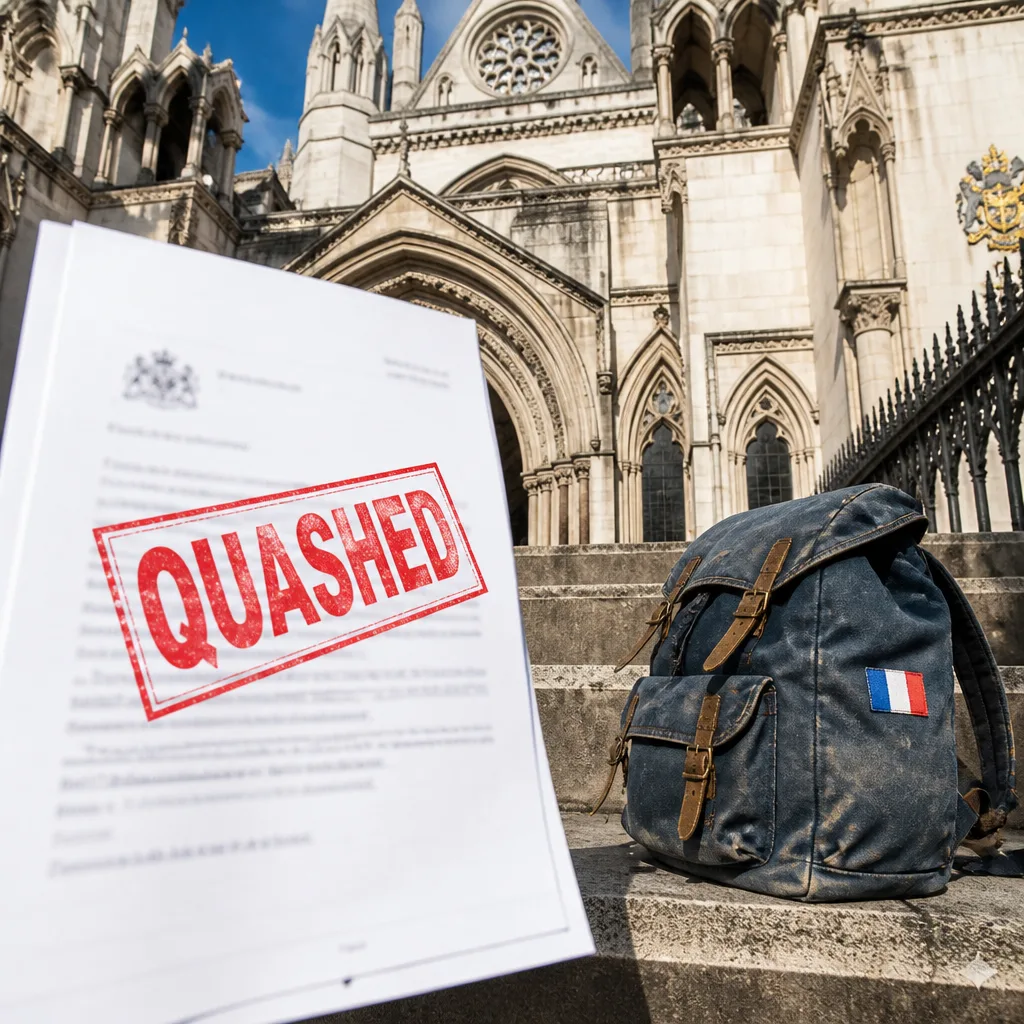
Mr Justice Sheldon quashed the alteration to the department’s practice, saying it should be treated “as if it never happened”. The decision restores the right of some asylum seekers returned to France to have trafficking assessments reopened after an initial refusal.
“I have quashed it so that it is as if it never happened,”
The case concerns an asylum seeker from Sudan who was removed to France on 27 November 2025. The judge found there were reasonable grounds to treat him as a potential victim of trafficking; the ruling directs the Home Office to bring him back to the UK. He is described in court papers as a survivor of torture and one of five claimants challenging the policy change.
Implications for the ‘one in one out’ scheme
The “one in one out” arrangement exchanges people brought into the UK legally from northern France for some individuals who cross the Channel in small boats and are removed to France. Ministers have argued the scheme deters dangerous crossings; the government points to a more than 40% fall in crossings year-on-year. Yet recent weeks have seen more than 1,000 arrivals and, critically, four people lost their lives attempting the journey in the days preceding the judgment.
The ruling could open the door to further legal challenges and returns. The court granted permission to both the Home Office and the asylum seekers to appeal on a number of points, leaving the legal position subject to further proceedings.
Practical problems in implementing the decision
There are immediate practical questions about how the judgment will operate. Many people who were removed to France and who had previously asserted they were trafficked are reported to have gone missing: some are believed to have gone underground after threats from smugglers in northern France; others reportedly fled fears of onward removal either to their countries of origin or to another EU state where they were previously fingerprinted.
- Case at issue: Sudanese asylum seeker, survivor of torture, removed 27 November 2025.
- Policy quashed: refusal to reconsider trafficking claims after an initial rejection.
- Recent context: Channel crossings down >40% year-on-year; over 1,000 arrivals in the last week; four deaths.
The judge also ordered that a second asylum seeker removed under the same policy will have his trafficking claim reconsidered in France; depending on that outcome, he too could be returned to the UK.
Broader legal and political consequences
Campaigners and lawyers are likely to press for further re-examinations of cases where trafficking indicators were dismissed prior to removal. For the Home Office, the judgment is a setback to its attempt to streamline removals and limit post‑return review of trafficking allegations. Ministers will now have to weigh whether to accept the ruling, seek to appeal, or to alter operational practice to comply.
The decision also touches on wider debates about the safety and legality of forced removals under bilateral and domestic arrangements, the protection available to trafficking survivors and the balance between immigration enforcement and human-rights safeguards. With appeals now permitted, the courts will remain the forum in which the limits of the policy are tested.
| Key date | Detail |
|---|---|
| 27 November 2025 | Asylum seeker at centre of case returned to France |
| Recent week | More than 1,000 Channel arrivals; four deaths reported |
The Home Office and the claimants have been given leave to appeal aspects of the judgment, meaning the legal landscape could change as the case proceeds. For now, the court’s order represents an important affirmation of trafficking protections for people removed under controversial migration arrangements.