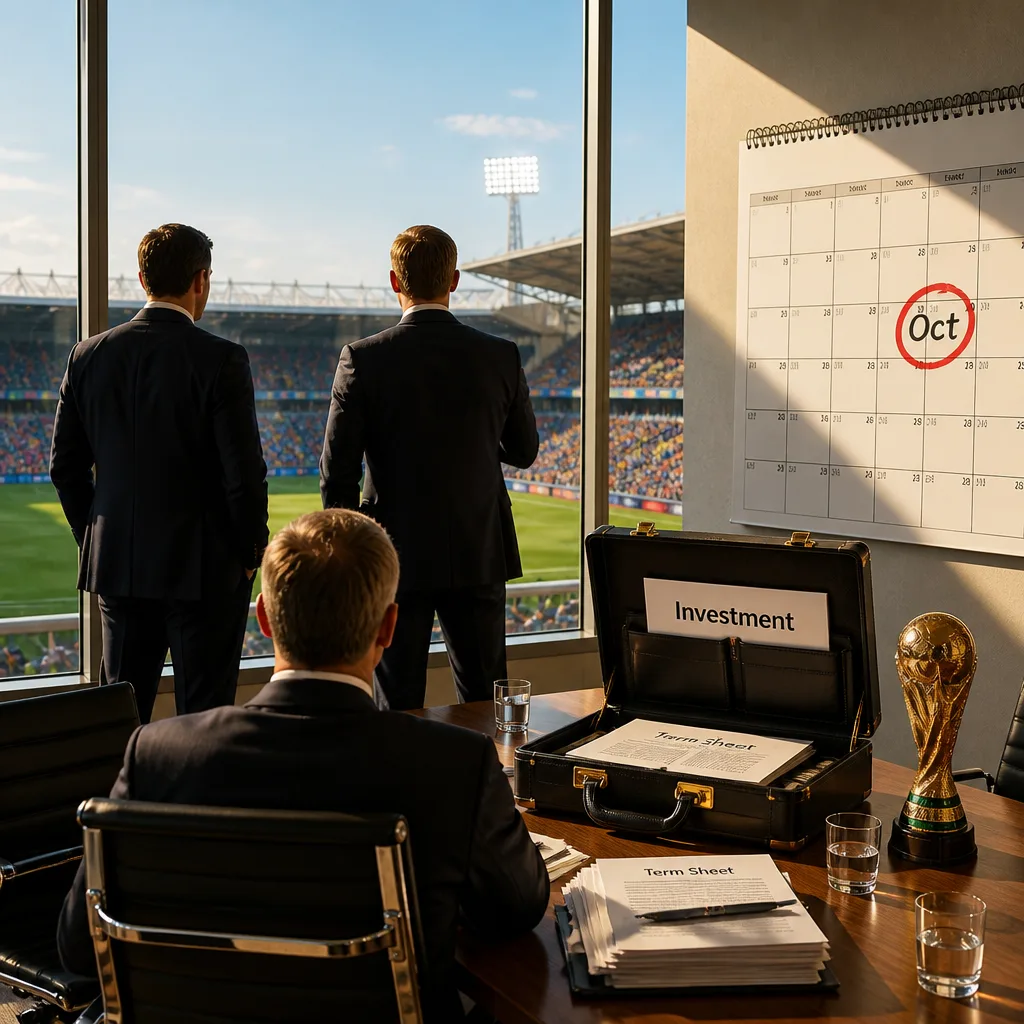
FIFA is pursuing private investment into a new company that would manage commercial and operational aspects of its tournaments, and expects to complete the funding round by the end of October, the Press Association has obtained.
Timing and process
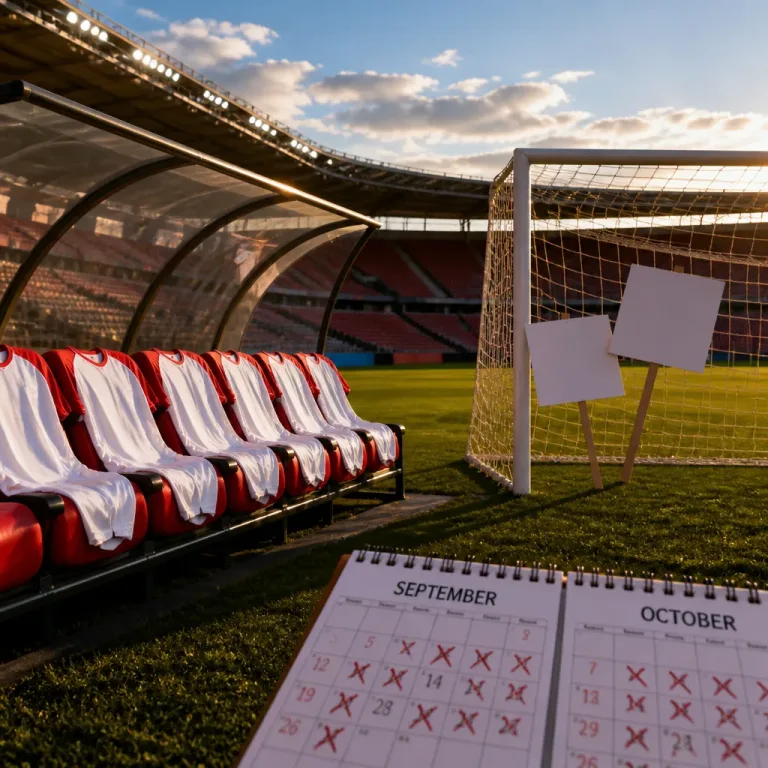
Documents seen by PA outline an accelerated timeline. Potential investors will receive a term sheet and selected materials in August. Initial Letters of Intent (LOIs) are to be submitted in September, signalling proposed investment amounts. Binding bids would be agreed in October, with monies transferred to FIFA before the close of that month.
| Month | Planned action |
|---|---|
| August | Access to term sheet and select materials |
| September | Submission of initial LOIs; associations indicate support by 19 September |
| October | Agreement of binding bids; transfer of investor funds by end of month |
Structure and funding
The plan envisages a group of private investors taking about 20 per cent ownership in the proposed entity, referred to in internal material as FFE. That investor group is set to be led by Thrive Eternal, a company founded by Joshua Kushner.
National associations have been offered the chance to back the plan and, if they do, to access up to $20 million (approximately £15 million) in development funding each from 1 January. FIFA states that, if the proposal proceeds, it would enable distribution of a total of $10 billion (about £7.5 billion) in development funding over the three-year cycle from 2027 to 2030.
Objections and governance concerns
The proposals have provoked sharp resistance from sections of the football community. UEFA has organised an emergency meeting of its 55 member associations to discuss the matter and has publicly accused FIFA of seeking self-enrichment via the scheme.
"to enrich themselves and their friends"
There is alarm among European clubs and major leagues worldwide about the prospect of private capital being involved in decisions affecting competitions. FIFA has insisted that investors would not have authority over core sporting decisions — specifically the size and frequency of flagship events such as the men’s and women’s World Cups and the Club World Cup.
Yet critics warn that private investors will naturally seek to maximise returns, and that the contractual need to deliver increased funding to associations could create commercial pressures to expand competitions. Such growth would have knock-on effects for domestic league programmes and international calendars — an outcome that clubs and leagues say could disrupt scheduling and player welfare.
- Investor ownership: around 20% of FFE to be owned by private backers led by Thrive Eternal.
- Association support: national bodies must state their position by 19 September to access proposed development funds.
- Funding pledge: FIFA projects $10bn for distribution in the 2027–2030 cycle if the plan goes ahead.
Potential consequences for UK and European football
The plans are likely to be closely watched by British football authorities, clubs and broadcasters because changes to tournament formats or frequencies can materially affect domestic fixture lists, broadcasting contracts and player availability. Any expansion of international competitions could intensify fixture congestion, complicate the Premier League and English Football League calendars and alter commercial rights valuations central to UK broadcasters.
At present, FIFA asserts operational control of tournaments would remain under its remit, with investors confined to commercial oversight. Whether that separation holds in practice will be the critical issue for members of UEFA and national associations deciding whether to accept the conditional funding on offer.
The calendar now set in FIFA’s documents gives little room for delay: associations have only weeks to reach a position, investors are to proceed through due diligence this summer, and funds are to be in place by the end of October if the exercise plays out as indicated.
The coming weeks will determine whether FIFA’s commercial restructuring is accepted across the game, or becomes a further fault line between world football’s governing body, continental confederations and domestic stakeholders.