Following a summer that has already produced three heatwaves and pushed parts of the country towards official drought conditions, horticultural experts are urging homeowners not to assume brown lawns and wilted flowerbeds are beyond repair.
Grass survives by going dormant
Owners of gardens across regions including the West Midlands, East Anglia and Hertfordshire have seen lawns turn dry and patches of planting struggle as the National Drought Group flagged increasing pressure on water supplies and some areas entered drought status this week.
But practitioners with long experience of managing show gardens and estates say the immediate outlook for most lawns is recovery rather than loss. John Cushing, proprietor of Goldstone Hall Hotel & Gardens in Shropshire, described grass as "remarkably resilient" and counselled patience.
"Grass is remarkably resilient and won't die because of a period of drought,"
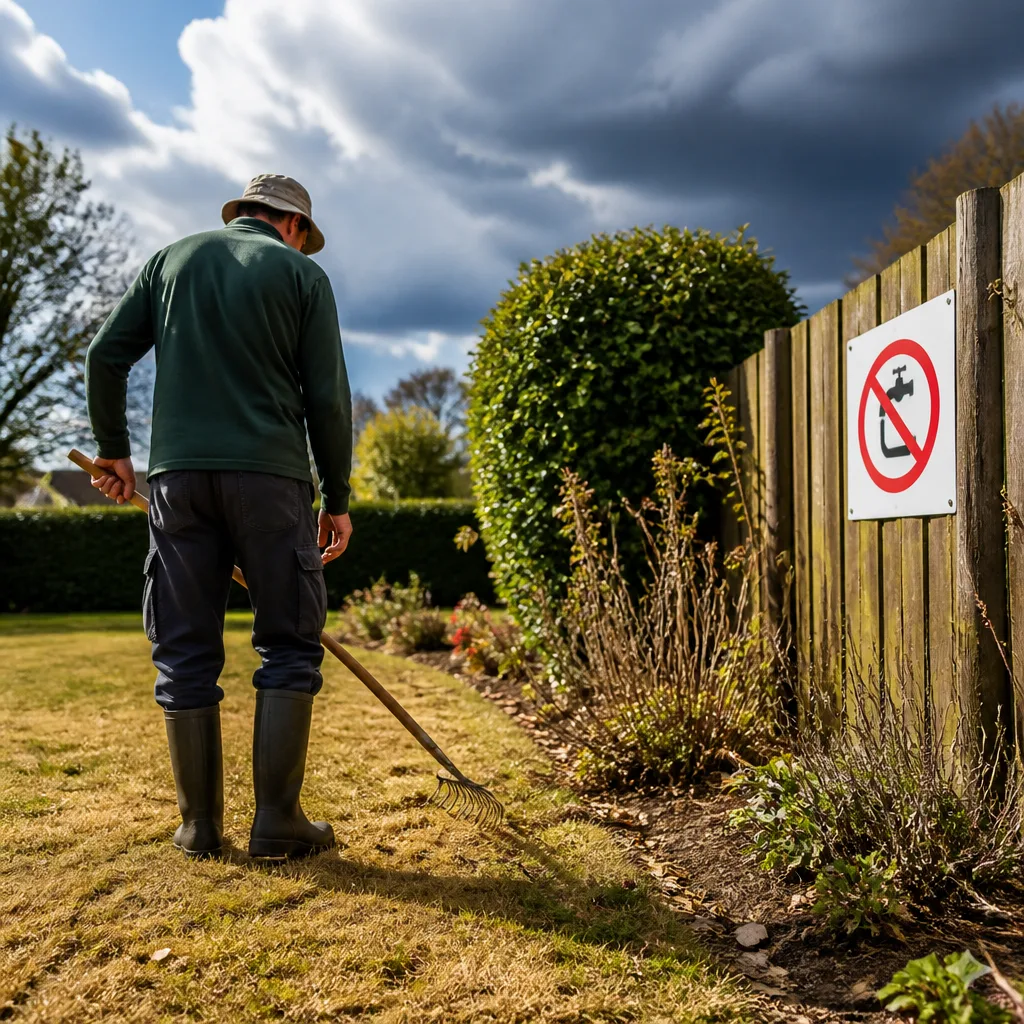
Darren Rudge, the broadcaster known as the Laughing Gardener, echoed that view, saying many lawns are simply in a state of dormancy rather than dead, with root systems still alive beneath the scorched surface.
Simple, low-risk steps to help plants
Garden professionals recommend modest interventions rather than aggressive treatment while drought conditions persist. Advice from those managing public and private historic gardens includes allowing nature to take its course, avoiding heavy feeding or frequent cutting, and only taking targeted action where seedheads might spread.
- Do not overwater or try to revive plants with heavy irrigation where hosepipe bans are in force.
- Trim seed heads on wild grasses to prevent unwanted spreading.
- Delay major lawn renovation until after wetter weather returns.
Daniel Puicar, head gardener at Middleton Hall and Gardens near Tamworth, pointed out that some maintenance carried out at the appropriate time can improve a lawn's resilience for future dry spells. He advises scarifying or raking in a cross-hatch pattern to remove moss and dead material once conditions allow.
| Recommended action | When to do it |
|---|---|
| Leave lawn alone; minimise disturbance | During drought or until sustained rain |
| Trim seed heads on wild grasses | Immediately, to limit spread |
| Rake or scarify to remove debris and moss | After recovery and when ground is moist |
Context and consequences
The guidance comes as some water companies and local authorities face calls to manage scarce resources amid prolonged warm, dry weather. Hosepipe restrictions are in place for thousands of households, limiting routine garden watering and adding a practical constraint to how people can treat stressed plants.
Garden owners contemplating remediation should weigh the likelihood of imminent rain against the limitations set by local water-use rules. Where restrictions are active, industry experts recommend prioritising soil health and delaying intrusive treatments until the environment supports recovery.
For many, the comforting message is that lawns and many perennials have evolved to withstand dry spells. Once wetter conditions return, green shoots are likely to reappear from dormant roots, often restoring the look of a garden far more quickly than owners expect.
That recovery is not necessarily guaranteed for every plant or newly established turf; younger plantings and certain tender species remain vulnerable during prolonged heat. But for established grass and many border plants, the consensus among experienced gardeners is restraint now will usually be rewarded later.
Practical patience, modest maintenance and attention to future resilience measures such as improving soil structure or choosing drought-tolerant species will help gardens cope with the greater frequency of hot summers.