Italy is confronting a marked rise in childhood and adolescent obesity, with clinicians in southern cities seeing a sharp increase in severe cases that were previously concentrated in middle age. The trend is straining specialist services and is reshaping clinical practice, with some young patients being considered for bariatric surgery or prescribed GLP‑1 weight‑loss injections.
Severe cases among teenagers
At the Betania Hospital in Ponticelli, on the outskirts of Naples, surgeons report treating teenagers with levels of obesity that until recently were mainly seen in people in their fifties. One young patient described in local reporting weighs 170kg (26st 10lb) and struggles with basic mobility. Clinicians say the scale of the problem has increased the number of referrals for specialised weight‑loss procedures.
Surgeons perform operations that remove most of the stomach to limit how much a patient can eat; the surgery cited in reporting removes up to 90% of the stomach in extreme cases. But clinicians warn that very high body mass can make such procedures too hazardous for some teenagers. In those circumstances, medical teams are increasingly turning to pharmacological treatments designed to reduce appetite and calorie intake.
"He eats constantly,"
The quoted observation by a parent underlines the practical and emotional challenges families face. Clinicians at Betania Hospital say demand for both surgical and medical interventions has risen sharply, reflecting broader shifts in disease patterns among young people.
Regional disparities and social context
Public health data indicate that the problem is especially acute in the south of Italy. In parts of the Campania region, more than 40% of eight and nine‑year‑olds are reported to be overweight — a proportion that places some communities among the most affected in Europe, according to the World Health Organization cited in reporting.
Teachers and local health workers point to a mixture of cultural, environmental and infrastructural factors. One primary school teacher described limited physical space for exercise and expressed concern about individual pupils, including a child of around 10 years and 60kg whom she believed to be at risk. She also noted social attitudes in which a slightly chubby child may be seen as healthy, complicating efforts to recognise and address excess weight early.
Clinical responses and limits
Medical teams are responding with a toolkit of interventions:
- Referral to specialist centres for assessment of suitability for bariatric procedures;
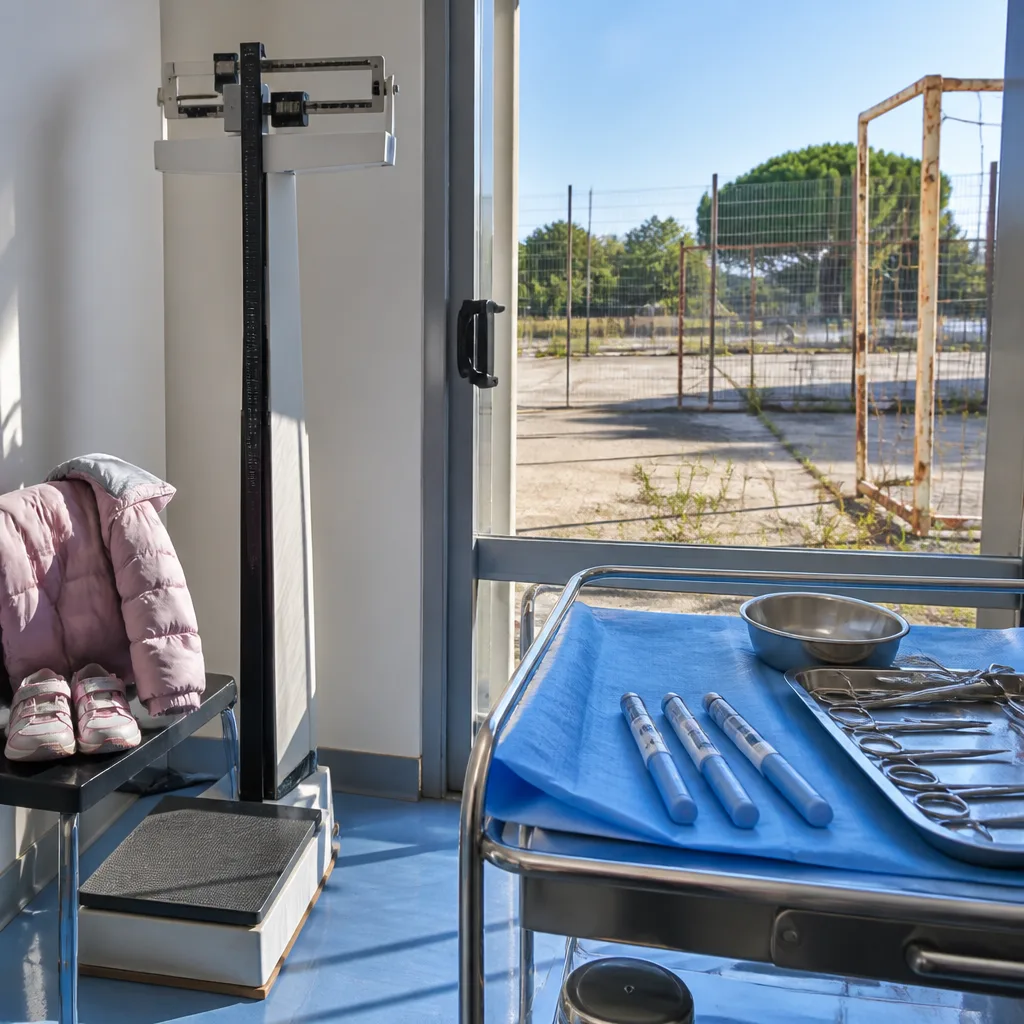
- Use of GLP‑1 receptor agonist injections to reduce appetite and enable weight loss prior to any operation;
- Multidisciplinary management where possible, involving dietitians, psychologists and paediatricians.
However, clinicians caution that not all patients are suitable for surgery because of extreme weight or other health risks, and that pharmacological treatments are not a universal solution. There are also wider systemic issues, including constrained school facilities and cultural norms that can delay recognition of unhealthy weight in children.
Implications and unanswered questions
The situation in Italy highlights several policy and clinical challenges: how to scale prevention and early‑intervention programmes, how to ensure equitable access to specialist care, and how to address social and environmental drivers of unhealthy weight in childhood. The rise in severe obesity among the young also raises questions about long‑term demands on healthcare services, including the capacity of hospitals to provide safe surgical care and the regulatory and funding frameworks for newer pharmacological agents.
International comparisons are stark: Italy, long associated with the Mediterranean diet and relatively favourable population health, now counts children among the most overweight in Europe, according to WHO assessments cited in reporting. Reversing that trend will require coordinated action across health, education and community services, alongside public health measures that address diet, physical activity and social determinants of health.