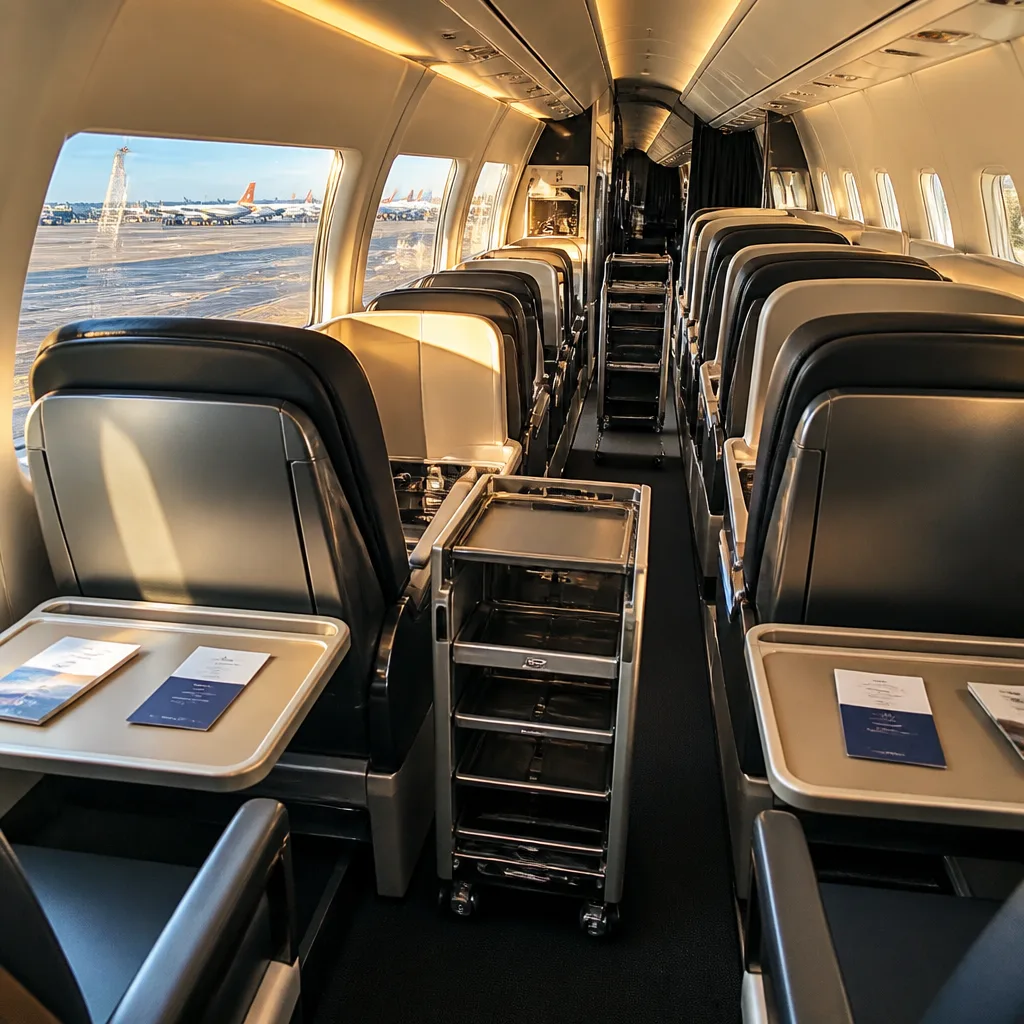
British Airways’ Cityflyer suspended full meal service in business class on London City routes for the entire month of July after a planned change of caterer went awry, the airline has confirmed.
What happened
The disruption followed a contract handover in early July that replaced incumbent caterer Dnata with Gate Gourmet, part of Swiss-listed gategroup. Bureaucratic delays prevented the incoming supplier from gaining timely access to the London City kitchen so the new operator could not produce meals at the airport.
Attempts to truck prepared meals from Gate Gourmet kitchens elsewhere were made, but sources told the trade press those consignments deteriorated during transit amid recent high temperatures. Rather than serve food judged to be substandard, the airline removed hot meal service from the business-class cabin on Cityflyer flights for the month.
“Providing our customers with the high-quality catering they both deserve and expect is extremely important”
The statement from a British Airways spokeswoman acknowledged the importance of onboard catering and apologised to affected customers. The airline said full onboard service would resume “in the coming days”.
Impact on business travellers and compensation
The suspension will have been particularly visible to commuters and professionals who rely on the 45–60 minute hops between London City and regional business centres. Business-class fares on Cityflyer routes command a premium that includes an expectation of a hot meal; instead passengers received dry items such as crisps, snacks and drinks—the same complimentary service available to economy passengers on these short sectors.
To mitigate disruption, BA issued £20 pre-paid credit cards to affected business customers to buy food in the terminal before departure and offered Avios loyalty points as a goodwill gesture.
- Supplier change: Dnata replaced by Gate Gourmet.
- Service disruption: Full business-class meals suspended for July.
- Compensation: £20 pre-paid cards and Avios points.
Operational lessons and wider consequences
The incident highlights how supply-chain and access issues in ground operations can have an outsized impact on customer experience for short-haul premium services. Gate Gourmet is a major global caterer; a failure to secure immediate kitchen access at a satellite airport underlines the dependence airlines place on local infrastructure and permits when changing suppliers.
For BA the episode will raise questions about contingency planning for contracted services. The airline sought to avoid serving potentially spoiled meals—a consumer-safety judgement—but the alternative response was a month-long removal of a paid-for product. That trade-off is likely to be scrutinised by both corporate customers who book repeat travel for staff and by travel management companies who negotiate contracts on behalf of firms.
There are also reputational implications. London City is a niche airport that trades on speed and convenience for a professional clientele; recurring operational shortfalls risk eroding confidence among frequent flyers who value predictability.
| Detail | Fact |
|---|---|
| Month of suspended meals | July |
| Outgoing caterer | Dnata |
| Incoming caterer | Gate Gourmet (gategroup) |
| Immediate compensation | £20 pre-paid cards and Avios |
British Airways said it expects normal service to be restored in the near term. For corporate travellers who budget for a certain level of in-flight service, the episode will be a timely reminder to check airline contract terms and compensation policies when arranging frequent short-haul travel.
Operationally, the case is a prompt for airlines and airports to tighten handover protocols with third-party suppliers, ensure alternative production plans are feasible under extreme weather conditions, and confirm that local access and permitting are fully in place before switching providers.
For London City, whose passenger base includes thousands of finance, legal and consultancy professionals, restoring trust quickly will be essential: the airport’s appeal depends on delivering a premium, time-efficient product consistently.