Shorter route might have spared visitors from exposed walk, says letter
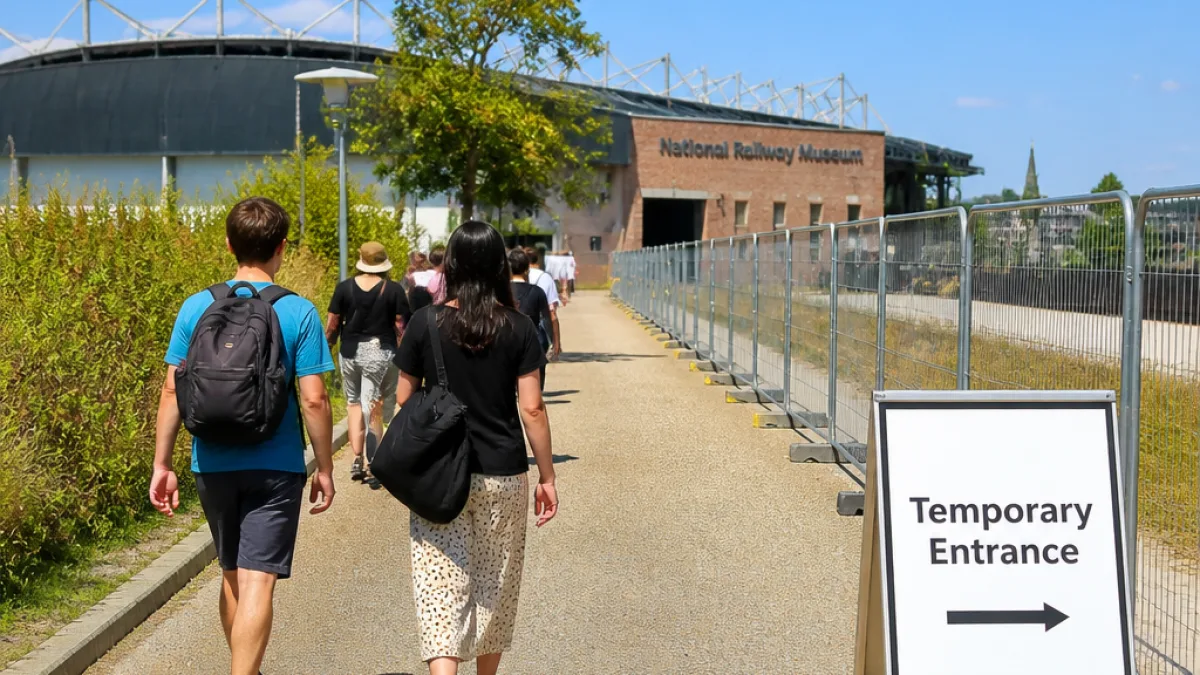
Visitors to the National Railway Museum in York are being forced to take an “appallingly round‑about” route from the station to a temporary entrance, according to a complaint published by a local newspaper. The writer says the walk takes around 15 minutes, offers no shade or shelter and has no nearby bus links — a poor welcome for people arriving in the city, particularly during the current spell of intense heat.
"In the extreme heat we're suffering, they have to walk for around 15 minutes to reach the temporary entrance. No shade nor shelter whatsoever. No buses near the entrance neither."
The letter, from a resident in Upper Poppleton, argues a temporary entrance could have been sited closer to the station and questions whether the museum’s management travelled to the site by car rather than thinking about pedestrian access. It concludes bluntly that museum management "should be ashamed" and that the current arrangement is "a poor advert for the museum and York generally".
Practical consequences for visitors and city centre footfall
The National Railway Museum is one of York’s flagship cultural institutions and draws visitors who often arrive by rail. A round‑trip between the station and the museum that adds 30 minutes to a visit — out and back — is likely to deter some, particularly families with young children, older visitors or those carrying luggage.
With no shelter or shade on the route, the issue is acute during heatwaves when exposed walking can pose health risks, especially for vulnerable people. The letter also highlights the absence of nearby bus stops, which reduces alternatives for those who might otherwise avoid the walk.
- Walk time: about 15 minutes from station to temporary entrance (letter).
- Facilities: letter states there is no shade or shelter and no nearby buses.
- Impact: potential deterrent to visitors and negative impression of the museum and York.
Questions for museum management and city planners
The complainant suggests a temporary entrance closer to the station would have been feasible. While planning a temporary access point comes with operational and safety considerations, the absence of a nearer entrance — and lack of shade or public transport options — raises questions about how contingencies for large visitor sites are managed.
Museum operators and the city council have not been quoted in the published letter, so it remains to be seen whether they will respond with reasons for the current layout or plans to improve access. Temporary arrangements sometimes stem from building works, security checks or operational constraints, but those reasons should be communicated to the public and mitigations offered where possible.
Broader implications for tourism in York
York’s economy relies heavily on visitors and the reputation of its major attractions. First impressions matter: many visitors judge a city by how easy it is to get from transport hubs to key sights. If an internationally significant museum gives the impression that access is difficult or uncomfortable, that may damage the city’s welcome and repeat visits.
Simple measures could reduce the problem: improved signage, temporary shaded rest points, temporary shuttle services from the station, or clearer publicity about the walking route and expected duration. All of these would help visitors plan and avoid unpleasant surprises.
| Issue | Reported detail |
|---|---|
| Walking time | ~15 minutes to temporary entrance (one way) |
| Shelter / shade | None reported |
| Nearby buses | None reported |
For now, the matter rests with museum management and the council. If they want to avoid being accused of thinking only in terms of car access, some practical adjustments would go a long way toward keeping York's reputation as a welcoming place for visitors — and may even prevent a few overheated tourists from regretting their choice of day trip.
Expectations are simple: make it clear, make it short, and provide a bit of cover for people who’ve come a long way by train. After all, when you’ve travelled to see dragons of industry and lines that changed the country, the last thing you need is a sauna‑style welcome party on the pavement.