A disciplinary tribunal has confirmed a four-year suspension for Czech tennis star Marketa Vondrousova after concluding she refused to submit to a doping test at her flat in early December.
Sequence of events and tribunal finding
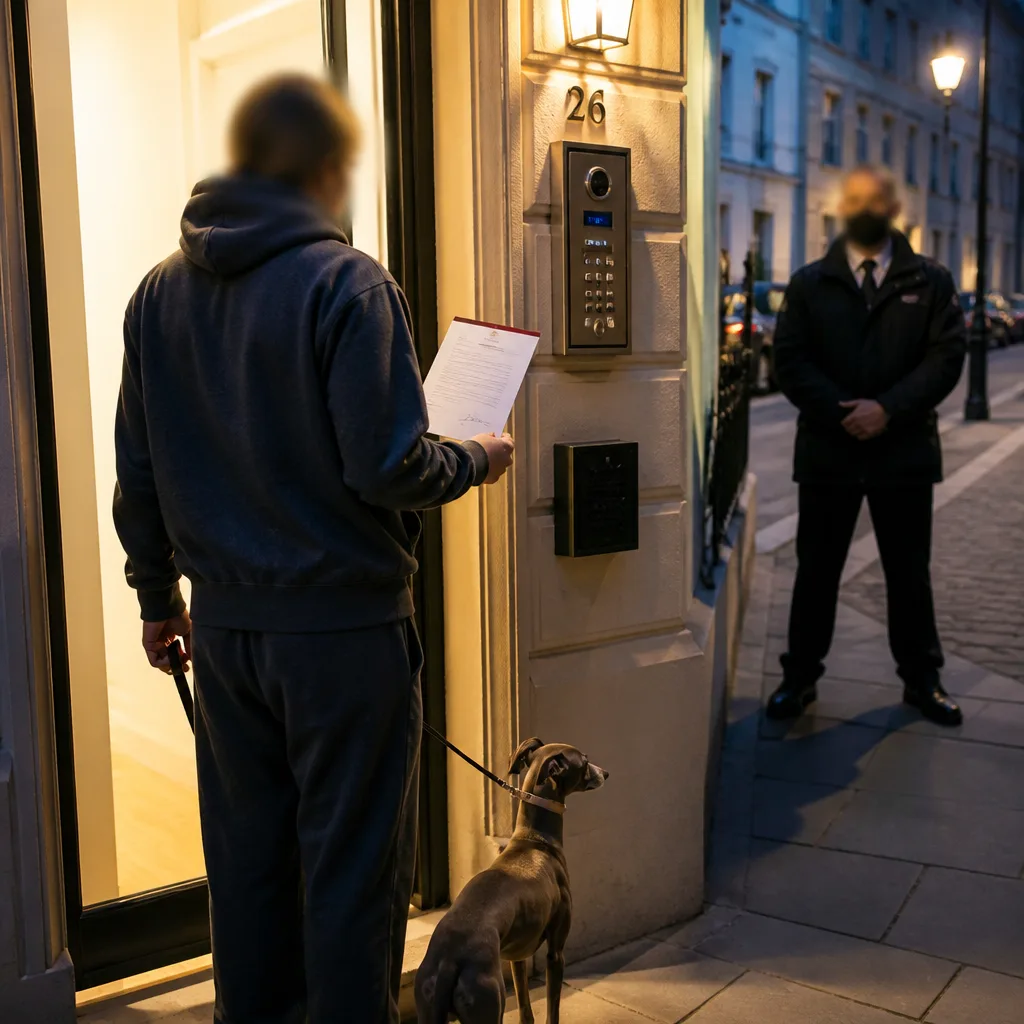
The incident took place on the evening of 3 December, when a doping control officer attended Vondrousova’s apartment at around 8pm. According to the tribunal report, the player was alone and did not open the door. She is recorded as having spoken to the officer via an intercom and later going outside to walk her Italian Greyhound, where the pair met face-to-face roughly ten minutes after the first contact.
The panel found she signed a form on the spot acknowledging that she would not take the test. The International Tennis Integrity Agency (ITIA) brought the case seeking a four-year ban, a sanction the tribunal upheld after concluding she had offered “no compelling justification” for declining the control.
"This is a very unfortunate manner in which the player made a decision in the heat of the moment to refuse doping control, in a state of stress and anxiety, with significant consequences."
Disputed details and what both sides agree
Not all details of the encounter are agreed. Vondrousova told investigators she feared for her safety when the officer arrived and told them via the intercom she would not open the door. She also contacted her agent to ask about protocol and sent a message to her boyfriend to alert him that someone from doping control had arrived.
The officer's account differs on the number of exchanges through the intercom, but both parties concur that they engaged face-to-face around ten minutes later, at which point the player reiterated her refusal and signed the acknowledgement form.
Career context
Vondrousova is a recognised figure on the tour, having reached the French Open final in 2019 and won an Olympic silver medal at the Tokyo Games in 2020. The ban will therefore have a significant effect on her professional calendar and ranking prospects during what would otherwise be key years of her career.
Key points from the case
- Date of incident: 3 December, at about 8pm.
- Action taken: The tribunal found she refused to submit to a doping test and imposed a four-year suspension.
- Tribunal view: The player provided no compelling reason for refusal; decision described as made "in the heat of the moment".
Those conclusions were reached without the tribunal accepting arguments that Vondrousova’s state of stress or fears for personal safety justified her refusal. The ITIA, charged with maintaining integrity in the sport, said it had little alternative but to pursue the maximum sanction available under its rules.
| Date | Event |
|---|---|
| 3 December | Doping officer arrives at ~20:00; initial intercom contact; later face-to-face meeting during dog walk; refusal recorded |
| Tribunal hearing | ITIA seeks four-year ban; tribunal upholds suspension, citing lack of compelling justification |
Consequences and next steps
The four-year ban represents a severe setback for Vondrousova’s career and underscores the stringent enforcement posture of anti-doping authorities in tennis. It may also prompt discussion about the procedures for out-of-competition testing and how concerns about safety and timing are handled by athletes and officials.
Any appeal or further legal challenge is not detailed in the tribunal summary. For the sport at large, the case will be watched closely: it touches on athlete welfare, the right to safety at home and the uncompromising obligations athletes accept under anti-doping codes.
The ruling serves as a reminder that refusal to comply with a test, even in contested circumstances, can carry the same weight as a positive finding under current regulations.