VAR decision leaves Nottingham Forest and supporters frustrated at the City Ground
Nottingham Forest were left aggrieved after a late strike from Igor Jesus was disallowed following a prolonged video assistant referee (VAR) review, prompting audible displeasure from the crowd at the City Ground and a clear show of feeling from the club’s captain.
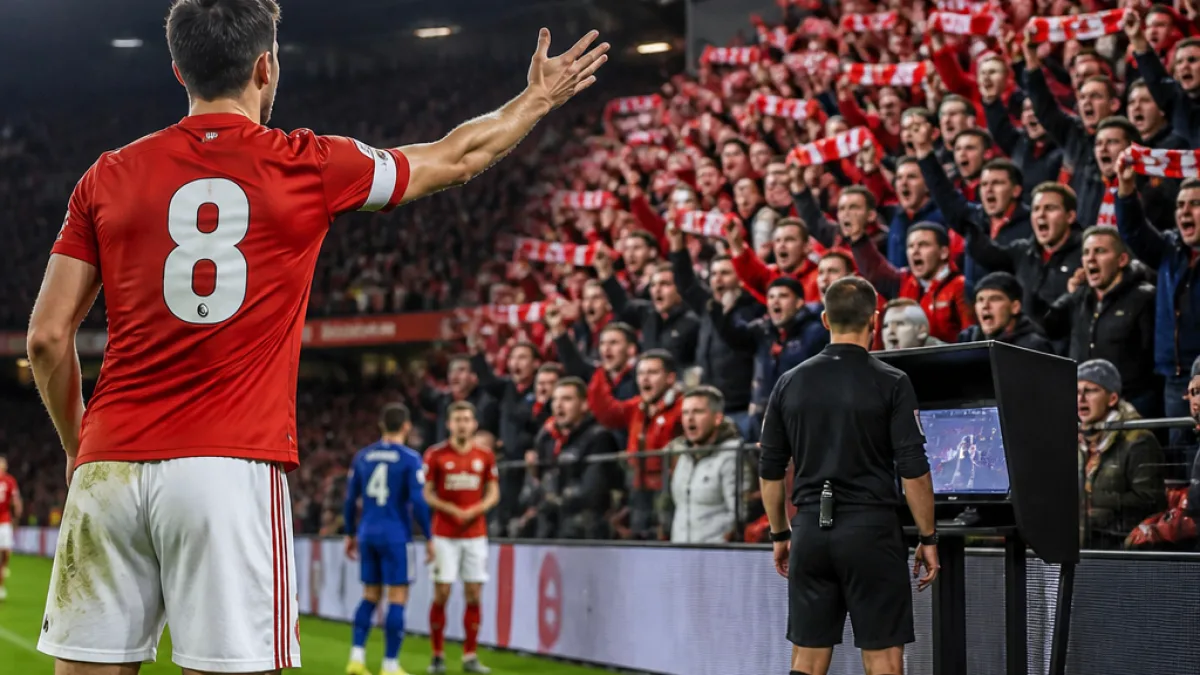
Referee Jarred Gillett retreated to the pitch-side monitor to consult with the VAR team before overturning the on-field call. Replays subsequently showed Jesus had clipped an opponent’s heel; match footage indicated the contact was accidental, but enough for the decision to be changed.
"This shows why Gibbs-White is the captain and the leader of the pack."
During the period in which Gillett was at the screen, Morgan Gibbs-White was clearly visible behind the referee, gesturing to and imploring the supporters to increase their pressure on officials. The captain’s behaviour reflected the irritation of many inside the stadium, with boos audible after the final decision was announced.
What happened and why it mattered
The disallowed strike came late in the match and, had it stood, would have earned Forest a point against Coventry. Instead, the reversal left the home side without the goal and supporters dissatisfied at what they perceived as an overly meticulous VAR intervention.
- Event: Late goal by Igor Jesus initially awarded on-field;
- Review: Jarred Gillett consulted the pitch-side monitor and discussed with VAR officials;
- Outcome: Goal overturned after replays showed contact with the opponent’s heel, ruled sufficient to disallow the goal.
| Element | Detail |
|---|---|
| Player involved | Igor Jesus (goal disallowed) |
| Referee | Jarred Gillett (used pitch-side monitor) |
| Forest reaction | Boos from crowd; captain Morgan Gibbs-White vocally urging supporters to get involved |
The scene underlined persistent tensions around VAR decisions in English football: even where replays appear to show incidental contact, officials are prepared to intervene and reverse on-field calls. For Forest, the immediate consequence was the loss of a goal that might otherwise have changed the outcome or secured a point.
Captaincy and visible leadership
Gibbs-White’s actions during the check were widely noted. The midfielder was seen remonstrating and encouraging fans to make their feelings known to the match officials — an attempt, according to several observers, to add pressure in the hope the referee would uphold the original decision.
Commentary following the incident highlighted that, while Gibbs-White may not have had his best match statistically, his response in that moment was indicative of his standing within the squad. Supporter reaction suggested many at the City Ground shared his view that the initial on-field call had been correct.
Local implications and next steps
For Nottingham Forest, the decision will feed into ongoing conversations about VAR protocol, referee transparency and home advantage at the City Ground. Fans and club staff alike will expect greater clarity on how accidental contact is assessed in future reviews.
In the short term, the reversed decision denied Forest a potential point and further intensified scrutiny on the handling of late VAR interventions. The club will now refocus on upcoming fixtures, but the episode is likely to remain a talking point among supporters and wider local media.
As pressure mounts for clearer and more consistent VAR rulings, moments like this continue to test the relationship between officials, players and fans in Nottingham and across the domestic game.