Overall recorded crime in North Yorkshire fell by 2.8% in the year to June 2026, new figures show, with significant declines in bicycle thefts, shoplifting and vehicle offences offset by notable rises in robbery and weapons possession.
Key reductions in property and vehicle crime
Police data reveal the total number of offences dropped from 46,136 to 44,845 between June 2025 and June 2026. Several categories saw substantial falls:
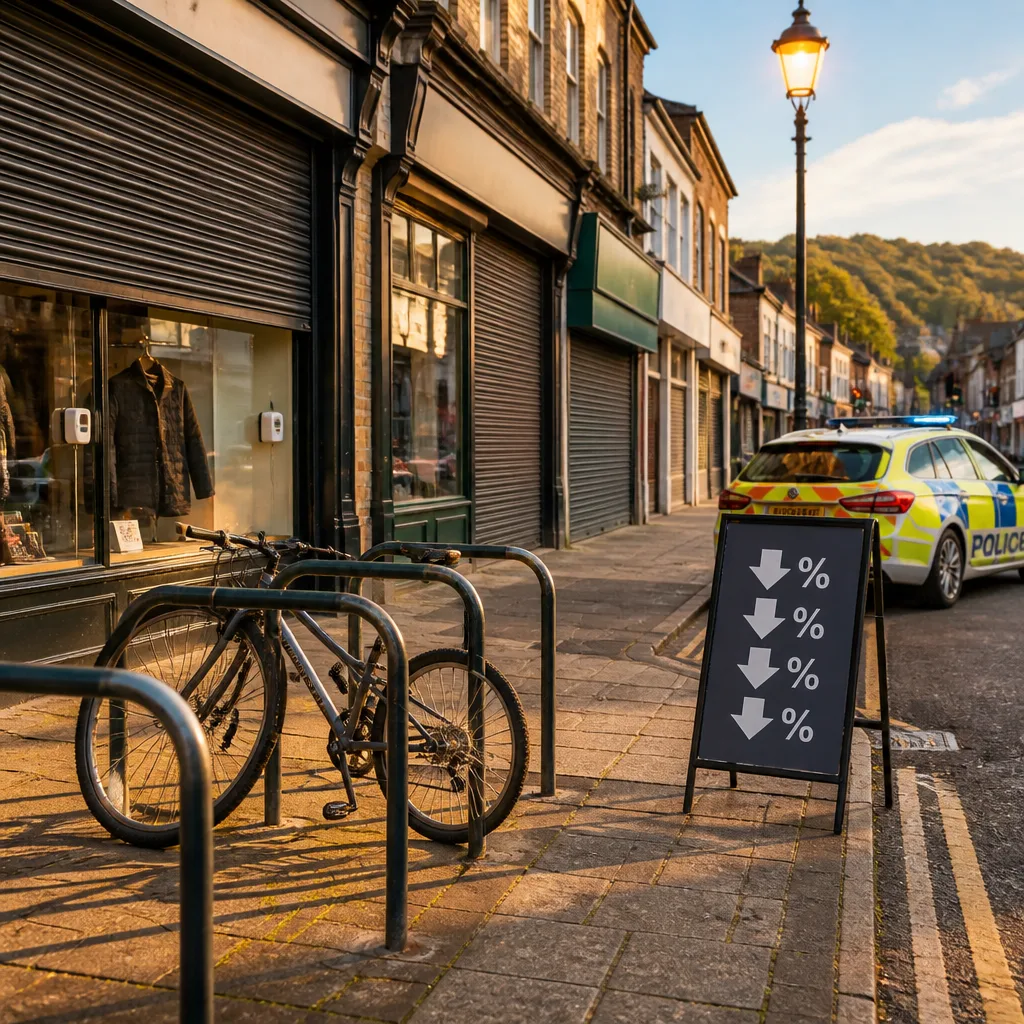
- Bicycle thefts fell by 30.6%, from 977 incidents to 678.
- Vehicle offences were down by 19.4%.
- Non-residential burglaries decreased by 25.7%.
- Residential dwelling burglaries fell by 5.9%.
- Shoplifting incidents dropped by 10.7%, from 5,652 to 5,045.
- Fraud reports were down by 36.8%, while thefts from the person decreased by 13%.
Local variations in anti-social behaviour
Anti-social behaviour (ASB) also declined across much of the county. The Coast Command Area recorded a 5.1% fall in ASB, which the force says equates to 19 fewer incidents year-on-year. The County Command Area saw a larger decrease of 12.7%, equal to 49 fewer incidents, while the City Command Area recorded a smaller reduction of 0.6%.
Rises in robbery and weapons offences
Despite the overall downward trend, some serious offence types increased. Recorded robberies rose sharply by 74.6%, climbing from 236 incidents to 412. Possession of weapons offences also increased by 17.4%.
"Over the course of the past 12 months, as ever, there's always certain areas that that you will see a rising crime, but, you know, if you look at some of those key categories of crime, bicycle theft down 30%, shoplifting down 10% across the course of the year, vehicle crime down 19%. So you've seen some really significant reductions in crime, overall crime down by 2.8%."
The remark was made by North Yorkshire Police Chief Constable Tim Forber, who highlighted the declines in several key categories while acknowledging there remain areas of concern.
What the numbers mean for policing and communities
Police-recorded crime data can reflect a mix of changes in offending behaviour, police activity and reporting practices. Large falls in property-related offences such as bicycle theft and shoplifting may follow targeted enforcement, crime-prevention work, seasonal factors, or changes in how victims report offences. Conversely, rises in robbery and weapons possession often prompt focused operational responses because of the greater immediate risk to public safety.
The force will face choices about resource allocation as it responds to the mixed picture: maintaining the reductions in property crime while tackling the increases in violent and weapons-related offending. For residents and businesses, the data offer some reassurance on everyday theft risks but underline continuing concerns about more violent offences.
| Offence | Change | Numbers (year to June) |
|---|---|---|
| Total recorded crime | -2.8% | 46,136 → 44,845 |
| Bicycle theft | -30.6% | 977 → 678 |
| Shoplifting | -10.7% | 5,652 → 5,045 |
| Robbery | +74.6% | 236 → 412 |
| Possession of weapons | +17.4% | (percentage given by force) |
Officials and local leaders will monitor the trends closely. Statistical fluctuations can presage longer-term shifts in criminal activity or reflect short-term spikes; policing leaders must interpret them alongside intelligence and operational outcomes when setting priorities.
The figures published for the 12 months to June 2026 provide a snapshot of a county where work on property and vehicle crime appears to be yielding results, while violent and weapons offences require continued attention from the force and partners across North Yorkshire.