Publicly available neighbourhood crime figures for Greater Manchester show implausibly low totals in areas known to suffer significant offending, underscoring persistent problems in the force’s crime‑recording practices that date back more than a decade.
Official figures at odds with reality
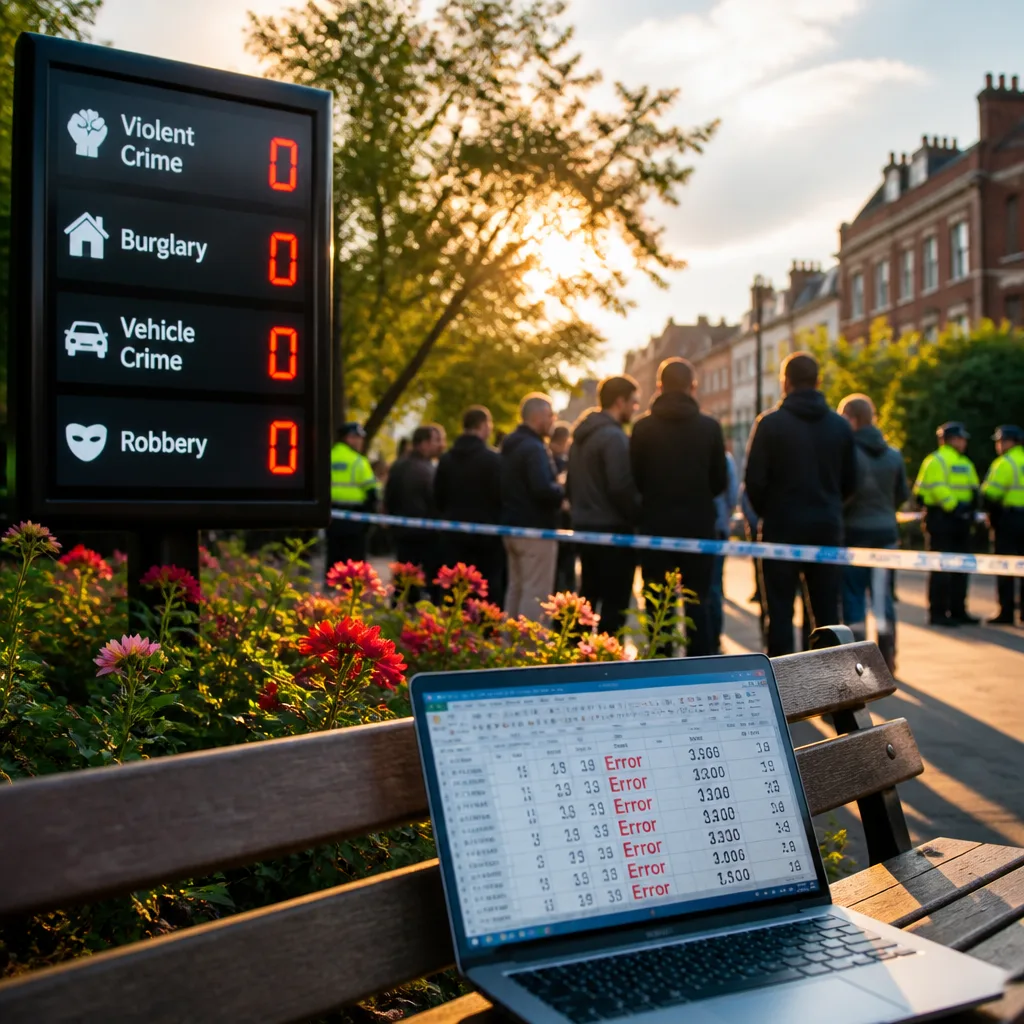
On the Greater Manchester Police (GMP) website, the gardens at Piccadilly are reported as having just 4 crimes in the past year; nearby Moss Side shows 3; and Longsight is recorded with 0. Those counts jar with public experience and police activity: a high‑profile operation in Piccadilly Gardens in 2023 produced 14 arrests in its first week, and the area continues to be associated with drug dealing, violence and robbery.
"systemic failure"
The low neighbourhood totals are not a new problem. Inspectors from His Majesty’s Inspectorate of Constabulary and Fire & Rescue Services (HMICFRS) warned in 2016 of a "systemic failure" by the force to record crime reliably. GMP later sought to address recording shortcomings through the procurement of a new computer platform.
IT project intended to fix recording instead caused disruption
In 2019 GMP introduced the Integrated Operational Policing System (iOPS), a project whose purpose was to modernise records and improve the trustworthiness of data. The system, which cost the force approximately £27m, has been widely criticised inside the force and by whistleblowers for generating years of IT problems rather than resolving them. According to reporting, staff raised multiple warnings to the local press about the impact of the rollout.
Contrasts with neighbouring forces
The scale of the discrepancy becomes clearer when compared with neighbouring constabularies. Lancashire Constabulary publishes comprehensive neighbourhood crime data; for example, Preston city centre recorded 456 crimes in a single month, including 141 violent and sexual offences in May alone.
| Neighbourhood / Area | Recorded crimes (source: force data) |
|---|---|
| Piccadilly Gardens (GMP) | 4 (past 12 months) |
| Moss Side (GMP) | 3 |
| Longsight (GMP) | 0 |
| Preston city centre (Lancashire) | 456 (May) |
Such contrasts highlight the consequences when recorded data cannot be relied upon: residents, councillors and journalists are unable to use open neighbourhood figures to understand local crime trends or to hold policing and civic leaders to account.
Implications for accountability and public confidence
Accurate crime recording underpins everything from operational policing to public trust. If neighbourhood‑level statistics understate offending, there is a risk that resources are misallocated and problems are hidden from scrutiny. The force’s broader performance turnaround — it was placed into special measures prior to recent improvements — has occurred alongside ongoing difficulties presenting a clear picture of crime at the local level.
- Data integrity: Historic failures identified by inspectors remain relevant; current neighbourhood counts appear inconsistent with known crime patterns.
- IT and procurement: The 2019 iOPS roll‑out, intended as a remedy, has been blamed for protracted technical and recording issues.
- Transparency: Discrepancies with neighbouring forces that publish detailed neighbourhood figures underline the scale of the problem and its effect on public accountability.
Greater Manchester residents and elected representatives seeking to understand local crime will be waiting for assurance from the force about the steps being taken to correct records and to make neighbourhood‑level data reliable. Until then, official neighbourhood maps risk misrepresenting the scale of offending in some of the city’s most troubled locations.