Rising numbers on our streets
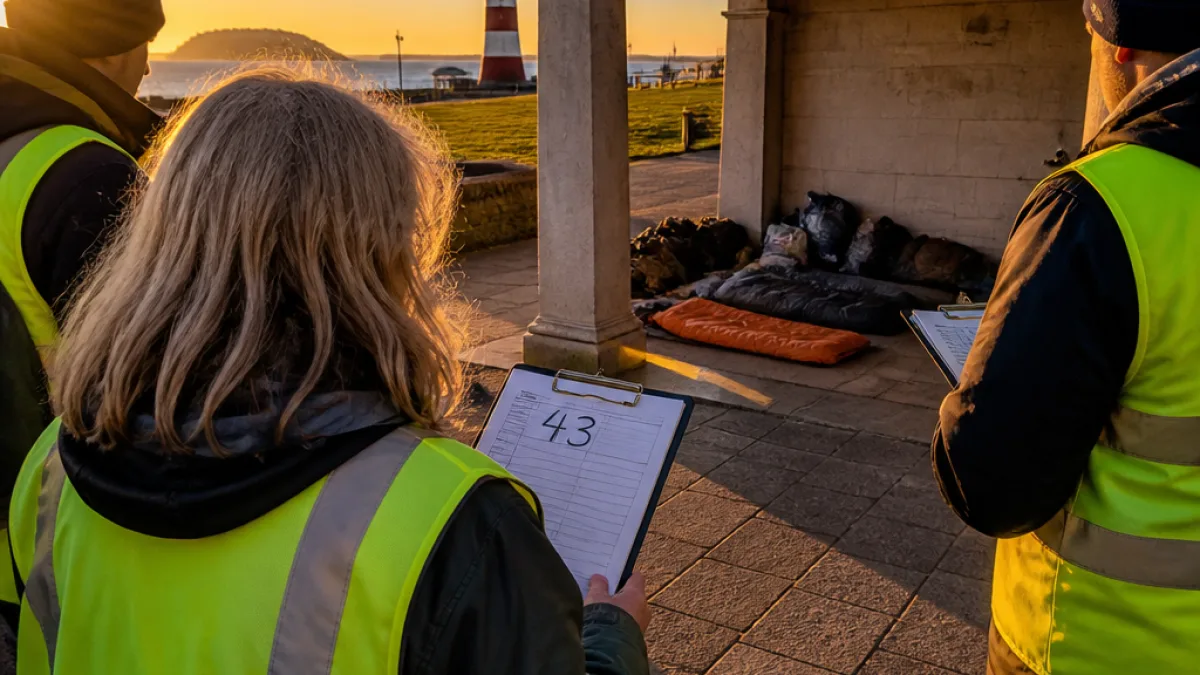
Plymouth recorded a new high in the annual snapshot of people sleeping rough, with 43 individuals found on the city's streets in last year’s count — a figure officials say is likely an underestimate.
The tally is up from 40 in 2024 and more than double the 16 rough sleepers recorded in 2020. The Ministry of Housing, Communities & Local Government data shows this is the highest number in Plymouth since the current counting system began in 2010, when local areas started carrying out an evening check.
- 2020: 16 rough sleepers in Plymouth
- 2024: 40 rough sleepers
- Last year: 43 rough sleepers (record high)
"End rough sleeping in our country," Andy Burnham said, pledging it would be his first instruction as prime minister.
Local picture within a national trend
The increase in Plymouth mirrors broader national movements. England-wide figures fell after 2017 — the year Andy Burnham became mayor of Greater Manchester and made tackling rough sleeping a central aim — only to climb again in recent years. National counts were recorded as 1,768 in 2010, 4,751 in 2017, 2,443 in 2021 and 4,793 last year, according to the same government dataset.
Burnham’s pledge to make ending rough sleeping a priority on taking office recalls his time as mayor, when the number of rough sleepers in Greater Manchester fell markedly in his first four years but later began to rise again. Local campaigners and services in Plymouth will be watching closely to see whether national commitments translate into new funding or policy changes that affect support on the ground.
What the figures mean for Plymouth
Crucially, the annual snapshot is a single-night estimate and is widely regarded as an undercount. The numbers tend to miss people who are sleeping in hidden places, sofa-surfing, or staying in temporary arrangements that are not captured by the street count.
For front-line charities, health professionals and council teams in Plymouth, the rise will add pressure to services already stretched by demand for emergency accommodation, mental health support and drug and alcohol treatment. While the government data provides a headline figure, the lived reality for many rough sleepers involves complex needs that require coordinated local responses.
Local authorities typically point to three broad elements needed to reduce rough sleeping: prevention (to stop people losing homes), rapid access to supported accommodation, and tailored wraparound services tackling health, addiction and employment barriers.
| Area | Year | Recorded rough sleepers |
|---|---|---|
| Plymouth | 2020 | 16 |
| Plymouth | 2024 | 40 |
| Plymouth | Last year | 43 |
| England (national) | 2010 | 1,768 |
| England (national) | 2017 | 4,751 |
| England (national) | 2021 | 2,443 |
| England (national) | Last year | 4,793 |
Next steps and local consequences
For Plymouth, the immediate questions are operational and political. How will local services manage demand if rough sleeping continues to rise? Will national announcements include extra funding for temporary accommodation or for prevention services that stop people drifting onto the streets? And crucially, how will the city measure success beyond a one-night snapshot?
Residents who care for the coastline and the city’s green spaces will recognise the human cost behind the numbers. Even a modest increase in the recorded total represents neighbours in need of urgent help, while the snapshot figure underlines how much of the problem happens beyond public view. Any national pledge to "end rough sleeping" will require detailed, adequately funded plans that reach down to cities such as Plymouth, where the winter nights and the currents of the bay can make life on the streets particularly harsh.
The coming weeks are likely to bring renewed scrutiny of council strategies and charity capacity, and locals will be watching for concrete actions that could reverse this worrying trend.