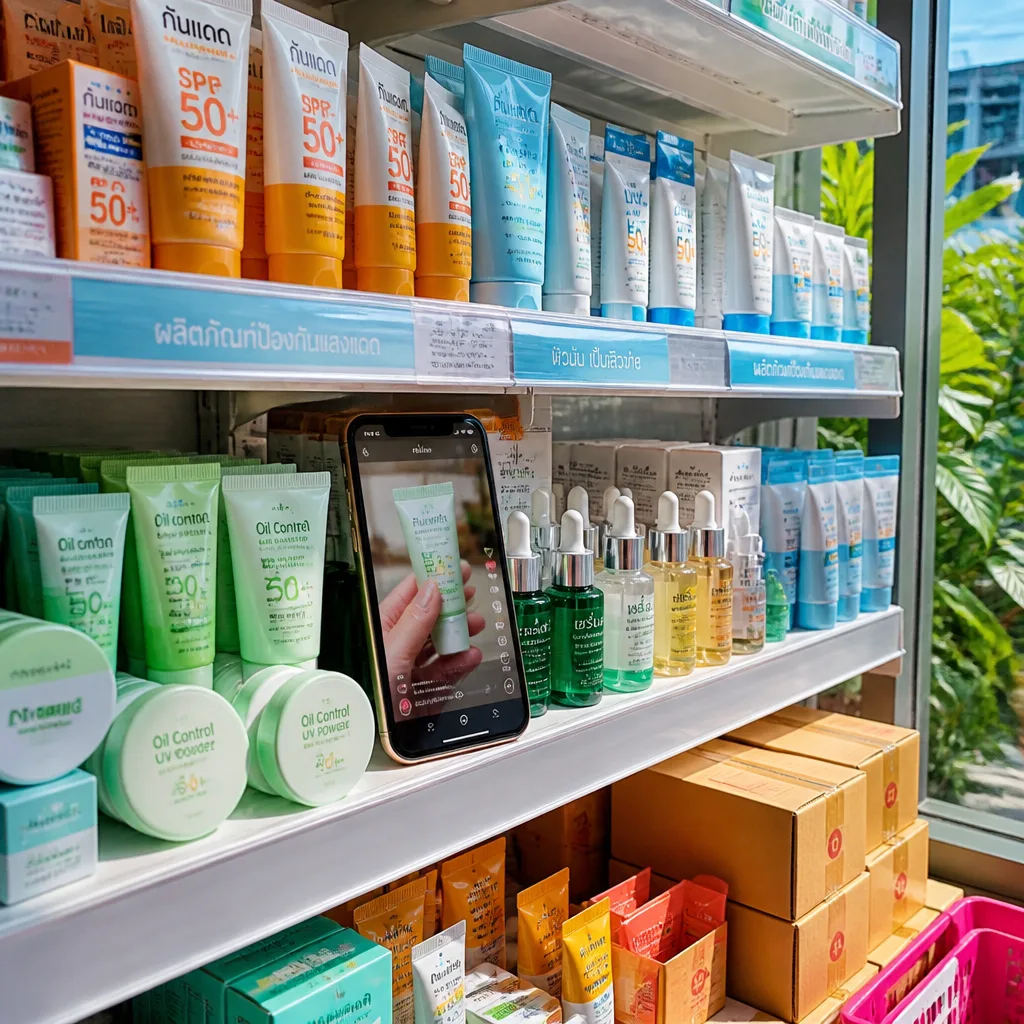
Thai beauty brands that were once a holiday find in Bangkok are increasingly visible across Southeast Asia, as products engineered for humid climates win new fans online and on pharmacy shelves.
From local pharmacies to regional e‑commerce
For decades Thailand’s cosmetics scene developed quietly, with legacy names creating products primarily for domestic use. Household labels such as Srichand (founded 1948) and mass‑market players like Mistine established reputations by answering local needs rather than chasing global fads. Tourists who returned from Bangkok with suitcases heavier than expected often credited sunscreens, oil‑control powders and wallet‑friendly makeup discovered in pharmacies and beauty stores.
The 2020s altered that trajectory. Platforms such as TikTok and Instagram turned holiday discoveries into viral recommendations, allowing Thai labels to reach shoppers far beyond the capital. What was once the preserve of in‑person bargain hunting is now available via click‑and‑deliver: many formerly hard‑to‑find items are appearing on regional e‑commerce sites and physical shelves in neighbouring markets.
Function before fashion: the T‑beauty proposition
Unlike some national beauty movements that are defined by a single ritual or aesthetic, Thailand’s strength lies in functionality. Where K‑beauty became associated with multi‑step routines and J‑beauty with minimalism, Thai brands have carved out a niche focused on the realities of tropical life:
- Sunscreens formulated to hold up in relentless humidity;
- Makeup designed to survive long, sweltering commutes and oily skin types;
- Skincare tailored to the pigment diversity and environmental conditions common across Southeast Asia.
This pragmatic approach has proved timely. As cross‑border interest in Thai culture grows, so too does attention on its beauty industry — and consumers are responding to products that solve everyday problems rather than simply following trends.
Cultural currents and commercial momentum
Thai soft power has been on the rise, propelled by popular dramas and actors who have earned global recognition and luxury ambassadorships. That cultural visibility feeds into a wider appetite for Thai food, fashion and lifestyle goods, creating an advantageous backdrop for beauty labels seeking international growth.
Brands such as Cathy Doll — seen in Bangkok pop‑ups and social campaigns — exemplify the movement: playful packaging, active digital outreach and formulations pitched at young, mobile consumers. The interplay between celebrity visibility, influencer endorsements and viral social content has helped accelerate distribution and discovery beyond Thailand’s borders.
| Brand | Notable point |
|---|---|
| Srichand | Established heritage brand (founded 1948) |
| Mistine | Mass‑market leader since the late 1980s |
| Cathy Doll | Visible through pop‑ups and social campaigns |
Industry observers note that the regional roll‑out has relied on a mix of traditional retail, pharmacy placement and nimble online strategies. By focusing on products that address climate and skin concerns common across Southeast Asia, Thai labels are positioning themselves as practical alternatives to more stylised offerings from other beauty hubs.
What this means for consumers and retailers
For shoppers, the spread of T‑beauty translates into greater choice — and more competition on price and performance. Retailers in the region now have access to a catalogue of sunscreens, oil‑control cosmetics and lightweight textures optimised for humid environments. For brands, the opportunity rests on sustaining quality, complying with export regulations and converting social‑media attention into loyal customers.
As the movement matures, expect to see further cross‑border collaborations, broader shelf presence in Southeast Asian pharmacies and a steady stream of viral product moments that take holiday staples into everyday routines across the region.
Isla Hawthorne
Lifestyle Editor, NEXO RADAR