Council seeks DfT support as bill for 1960s structure grows
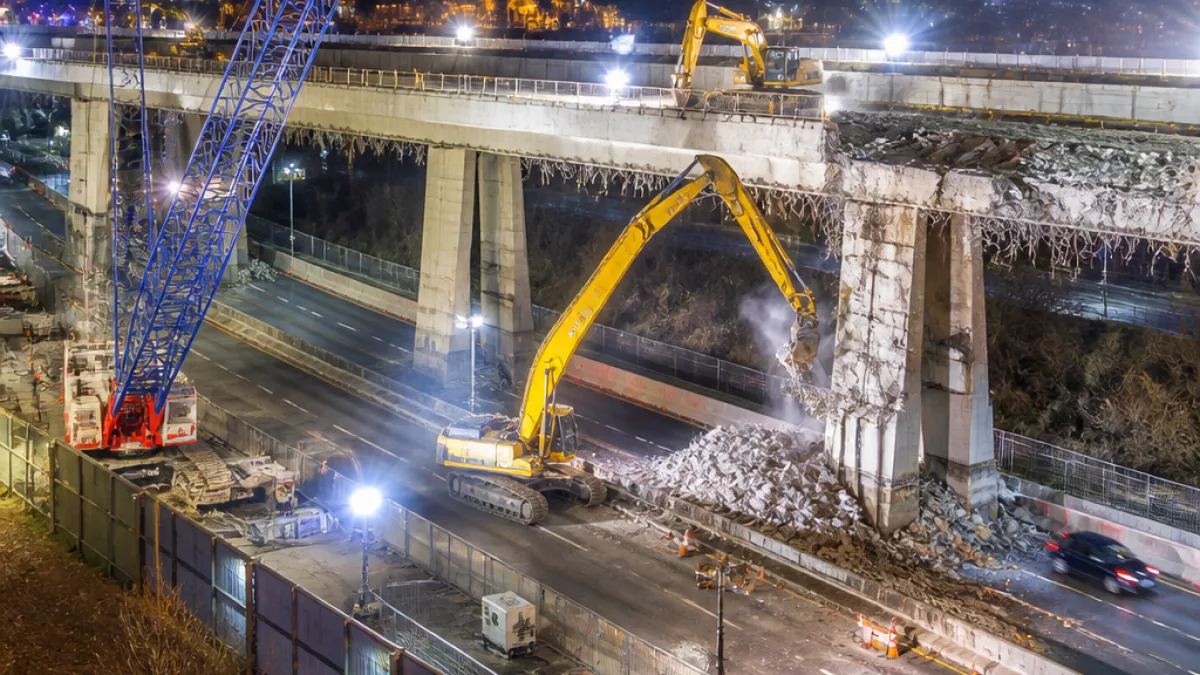
Gateshead Council has disclosed that demolishing the A167 flyover will cost roughly £31m, a substantial increase on the £18m it initially earmarked for the work. The 1960s-built structure, which has been closed since December 2024 following safety concerns, began intensive demolition in April and is due to be cleared by October.
The authority says the figure has been reviewed by independent construction finance specialists and is a fair reflection of the work required. Officials have pointed to safety measures and the decision to carry out some demolition overnight — to keep traffic moving — as contributors to the higher price tag.
"The costs had been 'independently scrutinised' by construction finance specialists and were considered fair."
Why the council wants national support
The council is asking the Department for Transport (DfT) for help to meet the additional cost of taking down the structure and funding the subsequent redesign of the road layout at the site. A DfT response on whether the bid for extra funding has been successful is expected in the autumn.
Gateshead argues the flyover should attract central funding because of its origins as part of national highways infrastructure. The elevated road originally carried the former route of the A1 and was built to link with a bridge across the River Tyne that was never completed. Responsibility for the structure was transferred to the local authority some years ago.
Local impact and what comes next
The flyover is made up of 27 spans and closure has already had a significant effect on traffic patterns and local journeys since late 2024. The council says demolition activities are being staged to reduce disruption, including undertaking higher-cost nightworking when necessary.
- Initial budget set aside: £18m
- Revised demolition cost: £31m
- Structure closed: December 2024
- Demolition began in earnest: April 2026
- Planned completion of demolition: October 2026
The council, which is currently run by Reform UK and was previously controlled by Labour, has indicated it intends to involve local people in conversations about the future of the cleared site in the "coming months". That consultation will be closely watched by residents keen to know how any redesigned road layout will affect walking, cycling and traffic through Gateshead town centre.
| Item | Detail |
|---|---|
| Original build | 1960s |
| Spans | 27 |
| Closure | December 2024 |
| Demolition period | April–October 2026 |
| Estimated cost | £31m (revised) |
Residents and businesses close to the flyover have experienced altered traffic routes and likely economic impacts from the closure. The council has emphasised safety as the overriding reason for the removal: engineers judged the structure at risk because of long-term deterioration.
For taxpayers, the revised cost raises questions over who will meet the shortfall if central government support does not materialise. The council's appeal to the DfT is grounded in the structure's original status as a national route asset, but a final decision from ministers is still awaited.
The coming weeks will be important. Gateshead faces the twin challenges of completing a technically complex demolition programme on time and then bringing local people into planning discussions about what replaces an elevated roadway that has dominated part of the town for six decades.
As work continues through the summer, residents can expect further communications from the council about traffic arrangements and the consultation timetable for the site's future.